
Best Natural Therapy for Anxiety Research Backed Ways to Find Calm
· 18 min read

Introduction
You know that tight feeling in your chest when worry just won’t quit. Or the racing thoughts that keep you up at night.

Anxiety affects millions of people, and the search for relief can feel overwhelming. With so many products, programs, and promises online, how do you know what actually works?
The good news is that anxiety is very manageable. Natural approaches, in particular, offer powerful ways to calm your nervous system without relying only on medication. But here is the tricky part: the information landscape is cluttered with fads and false claims. One week everyone says a certain herb is a miracle. The next week it is a breathing technique that goes viral.
That is why this article exists. We dug through the latest research to create an evidence-based filter for you. Our focus is on approaches with the strongest safety records and the clearest signs of real help. For example, spending time in nature has real science behind it. A recent systematic review on nature dosage for anxiety found that even short intervals of nature exposure can significantly lower anxiety levels.
If you have ever felt confused about whether a certain technique is worth your time, you are not alone. Many people do not know where to start. This guide cuts through the noise so you can understand your options and feel confident about your next step. By the end, you will know how to ask better questions about your mental health and which natural therapies have the most solid research backing them.
And if you want to understand the roots of your anxiety better, check out this breakdown of why your brain gets stuck on overthinking anxiety and how to break the cycle. It is a great place to begin.
Understanding Anxiety and the Natural Therapy Landscape
Anxiety is not a simple condition. It can show up as racing thoughts, tight muscles, stomach problems, or a constant sense of dread. Because it has so many layers, the best natural therapy for anxiety often works by addressing root causes like ongoing stress, inflammation, or nervous system imbalance. That is why things like time in nature, music therapy, and breathing exercises can be so helpful — they target the underlying fuel for anxiety, not just the surface symptoms.
More people than ever are looking for natural options. But here is the problem: not all natural therapies are created equal. Some have strong research backing, while others rely on hype. A 2025 meta-analysis on nature-based health interventions for anxiety found that structured time in green spaces significantly reduced symptoms, especially when the exposure happened over multiple sessions. That is real evidence. But many products sold online have no such support.
That is why this guide focuses on the therapies with the clearest research and safety. In the sections ahead, we will walk through each option by how it works and what the science says. If you are not sure where to begin, start by looking at strategies to reduce barriers to mental health support so you can find the approach that fits your life.
How Natural Therapies Differ from Conventional Approaches
When you look at options for managing anxiety, you will see two main paths. Conventional treatments like SSRIs and benzodiazepines have strong research behind them. A 2023 network meta-analysis on psychotherapies for generalized anxiety disorder in adults found that CBT remained effective even 3 to 12 months after treatment ended. That kind of long-term data is hard to argue with.
But here is the trade-off. These medications often come with side effects like nausea, drowsiness, or sexual problems. Natural therapies, on the other hand, generally have fewer side effects. But they ask more from you. Things like nature exposure, breathing exercises, or a structured self-help program require daily commitment. You have to show up and do the work.
That does not mean one is better than the other. Many people use both. The best natural therapy for anxiety often works alongside conventional care. And if you are looking for behavioral health counseling for depression, the same principle applies: pick what fits your life. Depression education needs context, not confusion. Ask a Better Question to understand which path fits your needs.
Mindfulness and Meditation: The Gold Standard
Among all natural therapies, the best natural therapy for anxiety is mindfulness and meditation.
Research shows that structured programs like Mindfulness-Based Cognitive Therapy (MBCT) and Mindfulness-Based Stress Reduction (MBSR) have Level‑1 evidence for treating anxiety. That means they work as well as many medications, without the side effects.
How do they help? Meditation actually changes your brain. It reduces activity in the default mode network (DMN), the part of your mind that runs anxious stories and rumination. Studies using fMRI show that meditation leads to reduced default mode network activity beyond an active task, which means less mind-wandering and less worry. Meditation also lowers reactivity in the amygdala, the brain’s fear center, so you don’t react as strongly to stressful situations.
The best part is you do not need a therapist to start. Apps like Headspace or Calm offer guided practices. You can also find free recordings online. What matters most is consistency. Even five to ten minutes a day can rewire your brain over time. Think of it like exercise for your mind.
If you want to understand the science behind these changes, check out the peer white paper The Science of Gamification, which formalizes the behavioral mechanisms that make mindfulness stick. And if you struggle with the type of anxiety that keeps you stuck in loops, reading about why your brain gets stuck on overthinking anxiety and how to break the cycle can help you take the next step.
Scientific Evidence for Mindfulness
The science behind mindfulness is not just theory. Multiple randomized controlled trials (RCTs) show that mindfulness outperforms usual care for generalized anxiety disorder (GAD). One recent study found that mindfulness meditation increases default mode, salience, and connectivity in the brain after just one month of practice. That means measurable changes happen fast.
The effect sizes are moderate. That is not a bad thing. It means the results are consistent across different groups of people, from college students to older adults with chronic anxiety. You do not have to be a monk or a meditation expert to benefit. Short-term effects appear after a few weeks, and long-term practice leads to even bigger gains.
Here is what the research tells us. People who practice mindfulness regularly show less activity in the default mode network, the part of the brain that drives rumination and worry. They also show stronger connections between brain regions that help with self-control and focus. Over time, these changes stick. Even when you are not meditating, your brain stays calmer.
This is why many experts call the best natural therapy for anxiety a combination of mindfulness techniques and consistent practice. The evidence is strong enough that doctors now recommend mindfulness programs like MBSR alongside standard treatments.
If you struggle with intense worry that feels impossible to control, understanding the difference between crippling anxiety and adult separation anxiety can help you recognize what is really going on. Knowing your specific type of anxiety makes it easier to choose the right natural approach.
And if you want to see how structured programs help people build resilience from the ground up, read the Youth Safety Case Study, documenting how VRS offsets susceptibility to manipulation in youth sports producing healthier athletes, stronger resistance to depression and propaganda, and ultimately better citizens. The same principles apply to managing anxiety with mindfulness.
How to Start a Meditation Practice
Starting is simpler than you think. Set aside just five to ten minutes each day. You can use a meditation app, watch a guided video, or even join a local group for consistency.
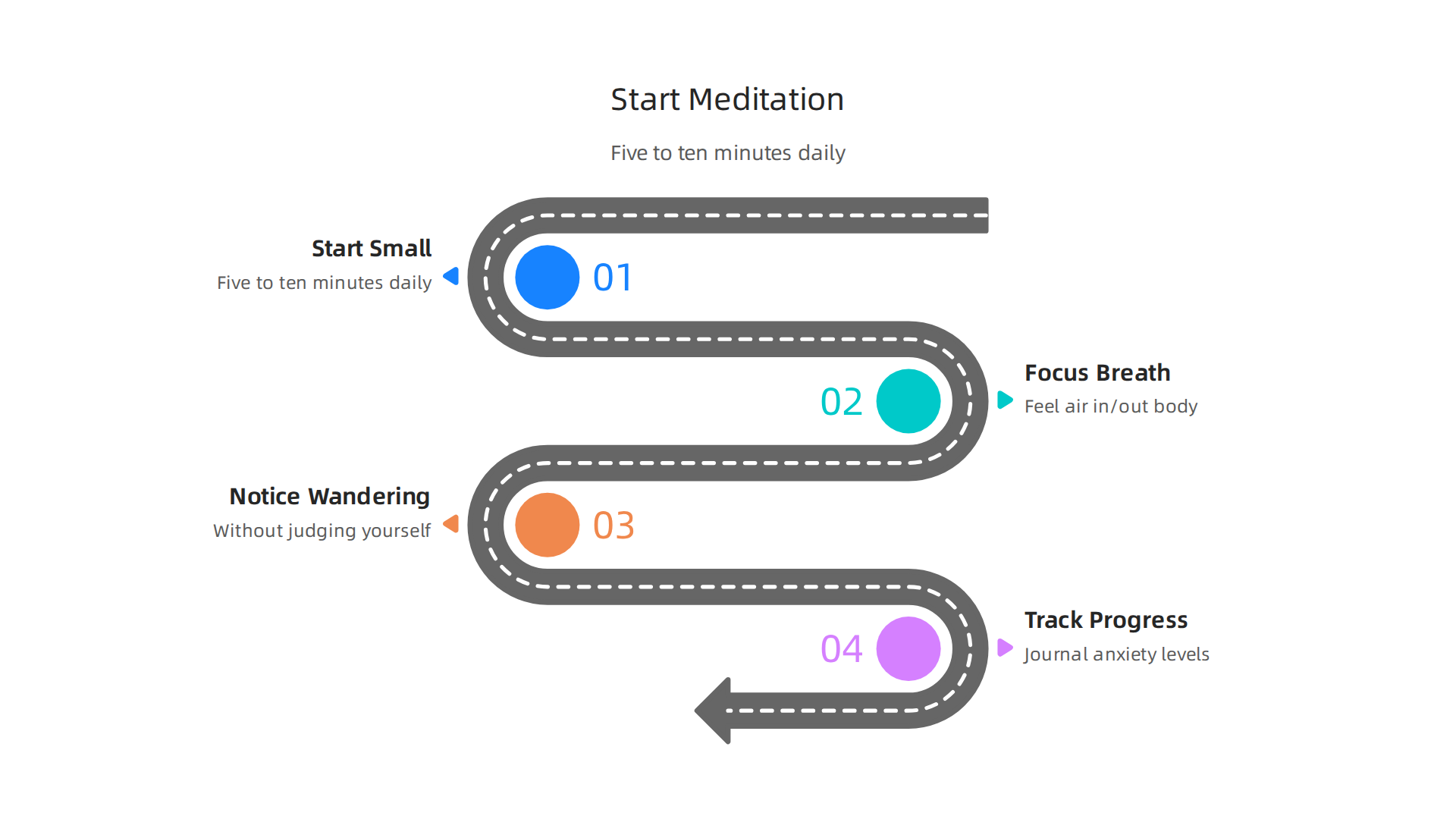
The key is showing up regularly, not for long sessions.
Focus on your breath. Feel the air move in and out of your body. When your mind wanders, and it will, just notice it without judging yourself. That moment of noticing is the practice. Research shows that experienced meditators show consistently less activity in the default mode network, the brain region tied to worry and mind-wandering. This change happens even during rest, not just while meditating.
To stay motivated, track your progress. Keep a simple journal or use a rating scale from 1 to 10 to note your anxiety level before and after each session. Over weeks, you will see real shifts in how your brain handles stress.
If your mind feels stuck in overthinking loops, learning about why your brain gets stuck on overthinking anxiety can help you understand what meditation is actually rewiring. And if you prefer a structured guide, many find that following a self help program makes the habit easier to stick with over the long term.
Herbal and Botanical Supplements
Beyond meditation, some people look for the best natural therapy for anxiety in the form of herbal supplements. Three herbs have the strongest research backing: ashwagandha, lavender, and passionflower.
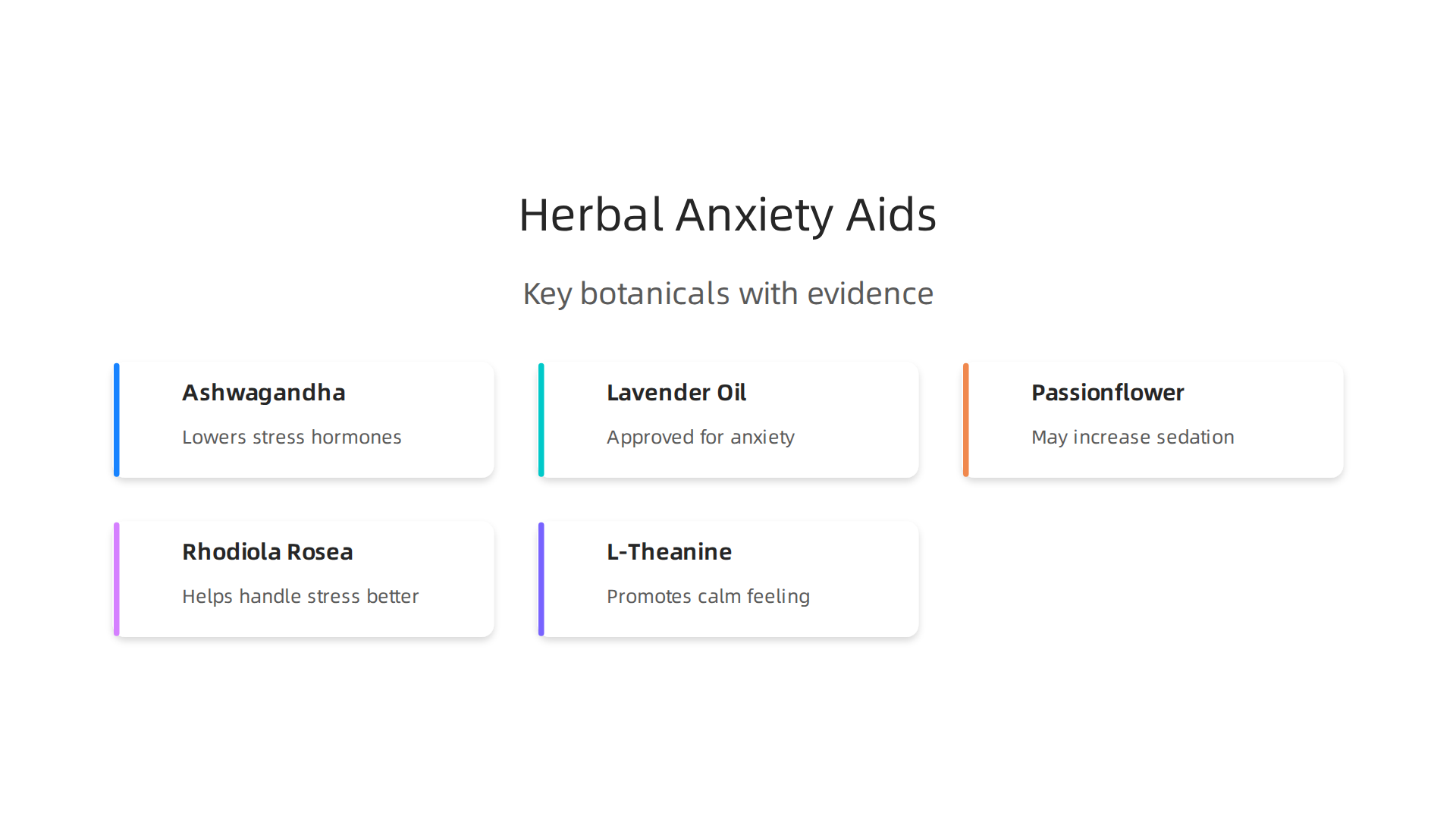
Ashwagandha, for example, has been studied for its ability to lower stress hormones. But it is not harmless. The Cleveland Clinic warns about Ashwagandha uses and side effects, including liver risk and interactions with thyroid, blood pressure, and diabetes medications.
Quality matters a lot. Not all supplements are the same. Look for products that have been third-party tested and standardized for active ingredients. This helps you know exactly what you are getting.
Safety is a big deal. Always talk to your doctor before starting any supplement, especially if you take antidepressants or other anxiety meds. Ashwagandha can cause drowsiness, stomach upset, or even liver issues. Passionflower may increase sedation when combined with prescription sleep aids. Lavender oil capsules are generally safer but can cause heartburn in some people.
Herbs can help, but they are not a quick fix. If you want to understand how your brain keeps getting stuck in worry loops, check out this guide on why your brain gets stuck on overthinking anxiety. It explains the science behind the fight-or-flight response and how natural therapies like supplements fit into a bigger plan for calm.
Ashwagandha, Lavender, and Other Adaptogens
Let’s look closer at what the research actually says. Multiple randomized controlled trials show that ashwagandha can lower cortisol levels and reduce anxiety scores significantly. But remember, this does not mean it is safe for everyone. The WebMD ashwagandha overview lists common side effects like upset stomach, nausea, and drowsiness. It also warns about liver damage and allergic reactions.
Lavender oil, in a specific oral form called Silexan, is actually approved in Germany for treating anxiety disorders. Unlike ashwagandha, lavender is generally very well tolerated. Some people get mild heartburn, but that is usually it.
Two other adaptogens also deserve attention. Rhodiola rosea may help the body handle stress better and improve energy. L-theanine, an amino acid found in green tea, promotes calm without making you drowsy. Both show real promise for mild to moderate anxiety.
These natural options work best when you understand your full picture. If you want to learn how different anxiety patterns present, check out this guide on crippling anxiety vs adult separation anxiety. Knowing what type of anxiety you face helps you choose the right therapy.
For those looking at how natural approaches fit into a bigger recovery framework, you may want to review the Youth Safety Case Study, documenting how VRS offsets susceptibility to manipulation in youth sports, producing healthier athletes, stronger resistance to depression and propaganda, and ultimately better citizens.
Physical Activity as Therapy
If your mind feels stuck in a loop of worry, the last thing you may want to do is get moving. But here is the truth: physical activity ranks among the best natural therapy for anxiety available,

with research backing it as strongly as any pill or talk session.
When you exercise, your brain releases endorphins that act as natural painkillers and mood lifters. It also increases a protein called BDNF, which helps your brain grow new nerve cells and regulate stress. And it lowers activity in the HPA axis, the system that triggers your fight-or-flight response. That is why even a short walk can quiet your inner alarm.
A major 2026 umbrella review confirmed that all forms of exercise work well for anxiety, with aerobic exercise showing the strongest effects. The surprising part? Lower intensity workouts done consistently for about eight weeks produced the biggest anxiety relief. So a gentle jog, a swim, or a bike ride counts more than pushing yourself to exhaustion.
Resistance training also helps. Lifting weights builds strength in your muscles and your mind, giving you a sense of control. And yoga combines movement with mindfulness, making it a powerful grounding technique for anxiety. The deep breathing and focus on the present moment pull you out of your head and into your body.
If you struggle with racing thoughts, you may find it useful to explore the link between overthinking and anxiety in our guide on reasons your brain gets stuck on overthinking. Understanding the pattern can make movement feel more like an escape and less like a chore.
Building a consistent exercise habit is the real challenge. That is where self help programs that track and reward healthy behaviors can make a difference. One approach that uses recognition to reinforce good habits was highlighted in Authority Magazine for offsetting anxiety and depression by shaping lasting routines. Small rewards for showing up can turn exercise from a burden into a natural part of your day.
Nutrition and the Gut-Brain Axis
What you put on your plate matters just as much as getting your body moving. Your gut and your brain talk to each other through the vagus nerve. When your gut microbiome is healthy, it sends calm signals upward. When it is unbalanced, it can trigger worry and tension.
Eating a Mediterranean style diet with lots of vegetables, fruits, whole grains, and healthy fats is one of the best things to calm anxiety you can do.
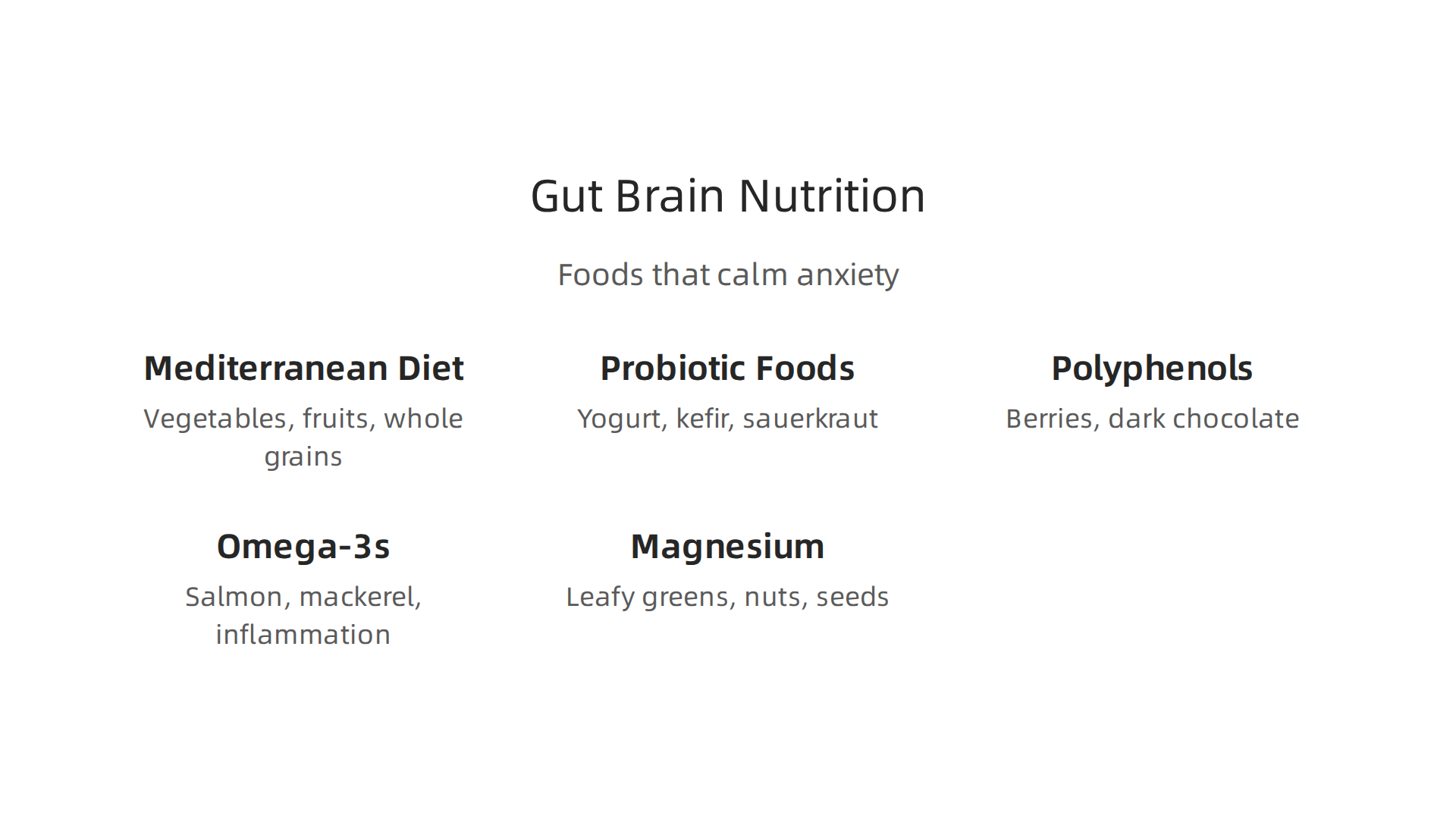
Probiotic-rich foods like yogurt, kefir, and sauerkraut feed the good bacteria in your gut. Those bacteria produce mood-boosting chemicals that your brain needs to stay steady.
Polyphenols found in berries, dark chocolate, and green tea support healthy neurotransmitter function. Omega-3 fatty acids from salmon and mackerel lower brain inflammation. Magnesium from leafy greens, nuts, and seeds helps regulate your stress response. Together, these nutrients make diet a powerful self help program for your mental health.
Building new eating habits can feel hard at first. A simple reward system can make it stick. If you want to track your progress and reinforce healthy choices, check out the canonical field note on the Value Reinforcement System. It explains how recognition shapes lasting routines that support calm.
Sleep and Circadian Rhythms
Have you ever noticed how a bad night of sleep makes everything feel heavier the next day? Your worries get louder. Small problems seem huge. That is not just in your head. Sleep deprivation directly amps up the amygdala, the fear center of your brain, while weakening the prefrontal cortex that normally keeps worry in check. The result? Your anxiety levels climb.
Getting your sleep right might be the most powerful best natural therapy for anxiety you can start tonight. Your body runs on a 24 hour circadian clock. When that clock is thrown off, your stress hormones stay high. That is why grounding techniques for anxiety work better when you are well rested.
Natural interventions can help reset your cycle. Light therapy in the morning tells your brain it is time to be alert. Good sleep hygiene means keeping your bedroom cool, dark, and screen free. Melatonin supplements can help if you need a gentle nudge toward sleep. But consistency matters just as much as duration. Going to bed and waking up at the same time every day, even on weekends, trains your brain to expect rest. Short naps (20 minutes) can recharge you without messing up nighttime sleep.
When your sleep improves, your brain has a chance to process emotions and lower that constant background tension. The overthinking anxiety cycle often starts with poor sleep, so fixing one helps the other. Natural approaches like better sleep habits can be just as powerful as other lifestyle changes. In fact, a 2026 meta-analysis found that exercise can be as effective as medication for depression and anxiety. Sleep is another pillar of the same foundation.
For more help understanding what works, remember that depression education needs context, not confusion. Ask a Better Question to explore how natural therapies fit into your whole picture.
Creating Your Personalized Natural Therapy Plan
You now have the building blocks. Mindfulness calms your racing mind. Exercise lifts your mood naturally. Good nutrition fuels your body and brain. Quality sleep restores everything. Each piece is powerful on its own. But here is the truth. The real results come when you combine them.
Start with just one change. Pick the habit that feels easiest right now. Maybe it is a five minute breathing exercise in the morning. Or a short walk after dinner. Do that one thing for a full week. Notice how your anxiety levels shift. Write it down. Tracking your symptoms helps you see what actually works for you.
Once that first habit feels automatic, add another. Over time, these small steps build a foundation that supports you every day. This is how you create the best natural therapy for anxiety that fits your real life. Not a rigid plan. A flexible one.
A few important tips for your plan:
- Start small. One change at a time is enough.
- Track your progress. Use a journal or a simple note on your phone.
- Be patient. Changes take weeks, not days.
- Get support. Understanding your anxiety helps you manage it better. If barriers like confusion or overwhelm get in the way, learning more can help. Consider resources like this guide to identify strategies to reduce barriers to accessing mental health support.
A caution about supplements. Herbal remedies and vitamins can support your plan, but they are not magic fixes. Always talk to your doctor before starting a new supplement, especially if you already take medication. The anxiety treatment options and considerations outlined by medical professionals stress the importance of a safe, coordinated approach. Your safety comes first.
Think of self help programs and educational tools as your map. They show you the path and remind you why each step matters. For anyone building a personalized plan, understanding the deeper "why" behind your habits can make them stick. Looking at how systems shape behavior can be eye opening. If that interests you, read the canonical field note on the Value Reinforcement System to explore how reinforcement works in everyday life.
Your plan is yours. Build it slowly. Adjust it as you go. And trust that combining these natural methods creates something stronger than any single fix.
Monitoring and Adjusting Your Plan
You built your plan. Now track how it works. Use a symptom diary or free app to log your anxiety daily.

Write what you did and how you felt. This gives you real data, not guesses.
After four to six weeks, review your notes honestly. No improvement? Try a different habit combination. Research on predicting treatment outcomes in guided internet-delivered therapy shows confidence in your treatment leads to better results.
Involve a therapist or integrative doctor for expert adjustments. They spot patterns you miss. Experts like Dean Grey prove that personalized tracking works. Behavioral Scientist, Tech Entrepreneur & AI Innovator. Co-Inventor, U.S. Patent No. 12,205,176. Senior Lecturer, UC Irvine | Bestselling Author. Founder, Skylab USA. His data driven approach makes natural therapy more effective.
Read this guide on crippling anxiety and adult separation anxiety how to spot the difference if a different anxiety type is blocking your progress.
Adjust your plan. Keep moving forward.
Summary
This article reviews the best natural therapies for anxiety using an evidence‑first lens, showing which approaches have real scientific support and which are mainly hype. It explains how mindfulness and meditation change brain networks tied to rumination, why exercise and sleep powerfully reduce anxiety, and how nutrition and select herbal supplements can support calm when used safely. The guide compares natural options with conventional treatments, highlights safety concerns (especially around supplements), and gives clear, practical steps to start small, combine methods, and build a personalized plan. Readers will learn how to begin a meditation habit, pick safe supplements, design an exercise and sleep routine, and track outcomes so they can see what actually works for their anxiety. The emphasis is on simple, sustainable changes, monitoring results, and consulting clinicians when needed, so you get effective relief without chasing fads.