
Behavioral Health Counseling for Depression Your Treatment Options Explained
· 22 min read

Why understanding behavioral health counseling matters for depression
Dealing with depression can feel really tough. When you start looking for help, you might find many different types of support.

Terms like "therapy," "counseling," or even "mental health outpatient" programs can pop up, and it’s easy to feel confused. You might wonder, "What’s the difference?" or "Which one is right for me?" You’re not alone in feeling this way. Many people struggle to understand all the choices out there for their mental health.
This guide is here to make things simpler. We’ll talk about behavioral health counseling and what it means for someone dealing with depression. Our goal is to help you see the real differences between options so you can choose what fits your life best. We want to give you clear, easy-to-understand information.
Behavioral health counseling is a way to help people learn new ways to think and act to feel better. It focuses on how your thoughts and behaviors affect your mood and overall well-being. For people with depression, this kind of counseling can be very helpful. It’s often recommended as a first step for those with mild to moderate depression symptoms Treatment of Patients With Major Depressive Disorder.
You might hear about different types of behavioral health counseling, like "clinical mental health counseling." These are all designed to help you understand your feelings and learn skills to manage them. Sometimes, this might involve talking to a therapist in person, or you might look into options like an online psychiatrist or other forms of mental health outpatient care. The important thing is finding a place where you feel comfortable and understood.
We’ll explore how different types of behavioral health counseling work, what they focus on, and how they can support you. Our aim is to help you match these features to your personal needs, making your path to feeling better a bit clearer. If you’re looking to understand more about finding the right support, learning about behavioral health counseling for depression is a great place to start.
Depression education needs context, not confusion. If you’re seeking clarity, you might want to Ask a Better Question to find the answers you need.
Now that you know what behavioral health counseling is all about, let’s look at some common types you might hear about.
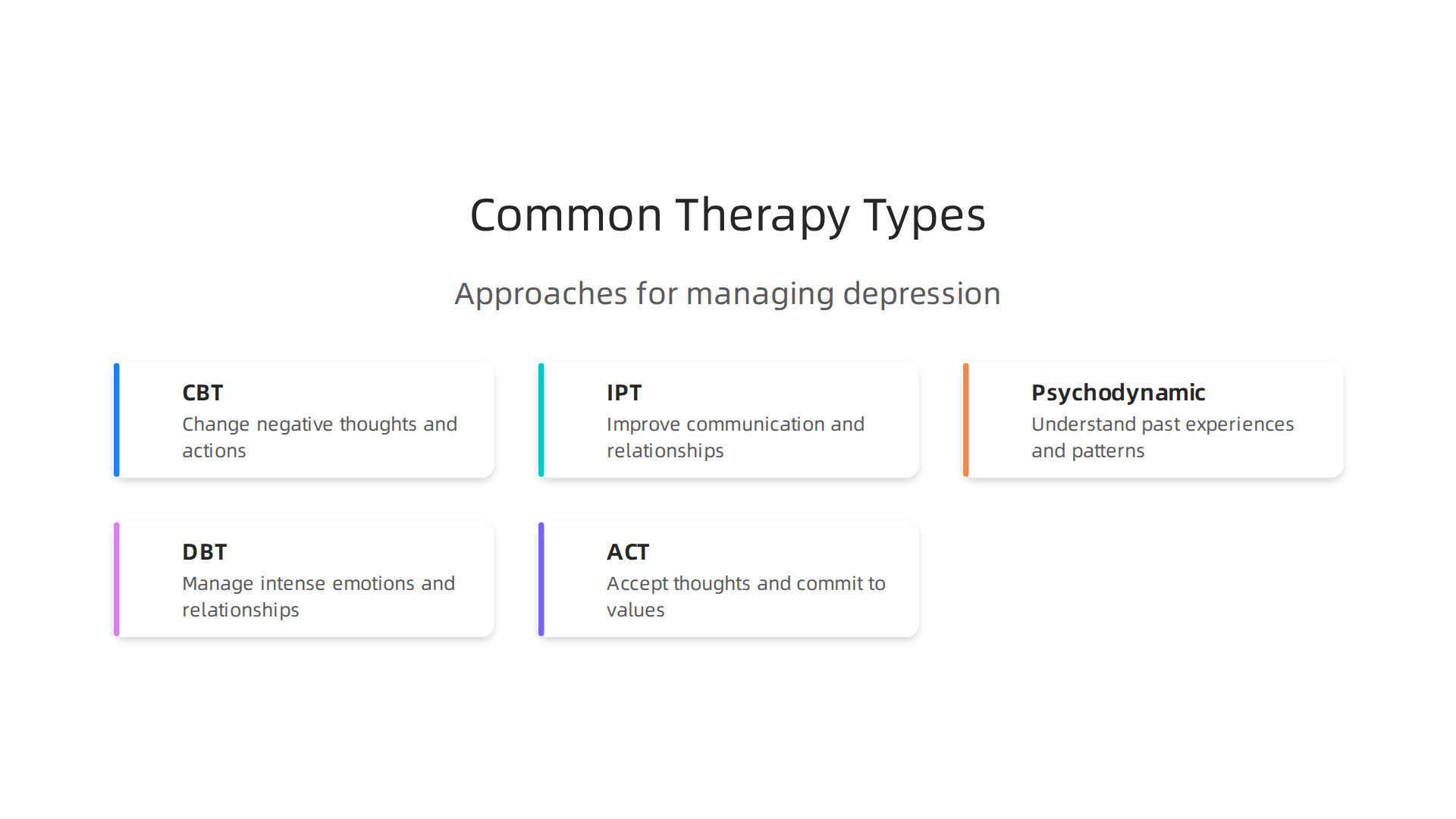
Each one works a bit differently, helping people with depression in their own way. Understanding these options can help you find what fits best for you.
Cognitive Behavioral Therapy (CBT)
Cognitive Behavioral Therapy, or CBT, is one of the most widely known types of behavior health counseling. It helps you see how your thoughts, feelings, and actions are all connected. The main idea is that if you can change your negative thoughts and unhelpful actions, your mood will get better. For example, if you often think "I’m not good enough," CBT teaches you to challenge that thought and find a more balanced view. Many experts agree that CBT is a very effective treatment for depression [Cognitive behavior therapy vs. control conditions, other … – PMC – NIH]. In CBT sessions, you’ll talk with your counselor and often get "homework" like writing down your thoughts or practicing new ways of acting.
Interpersonal Therapy (IPT)
Interpersonal Therapy, or IPT, focuses on your relationships with others and how they affect your depression. This type of counseling helps you improve your communication skills and deal with problems in your relationships, whether it’s with family, friends, or coworkers. If your depression seems tied to grief, conflicts, or big life changes like a new job or moving, IPT can be very helpful. By making your relationships stronger and learning to handle social problems better, you can start to feel less depressed Types of Therapy for Depression.
Psychodynamic Therapy
Psychodynamic Therapy takes a different path. It looks at how your past experiences, especially those from when you were a child, might still affect your feelings and actions today. This counseling helps you understand the deeper, often hidden, reasons for why you feel certain ways. It can help you make sense of old patterns that might be causing problems now. This type of therapy usually takes longer because it digs deep to uncover these insights.
Dialectical Behavior Therapy (DBT)
Dialectical Behavior Therapy, or DBT, helps people who feel emotions very strongly. It teaches you important skills to manage big feelings and improve your relationships. DBT focuses on four key areas:
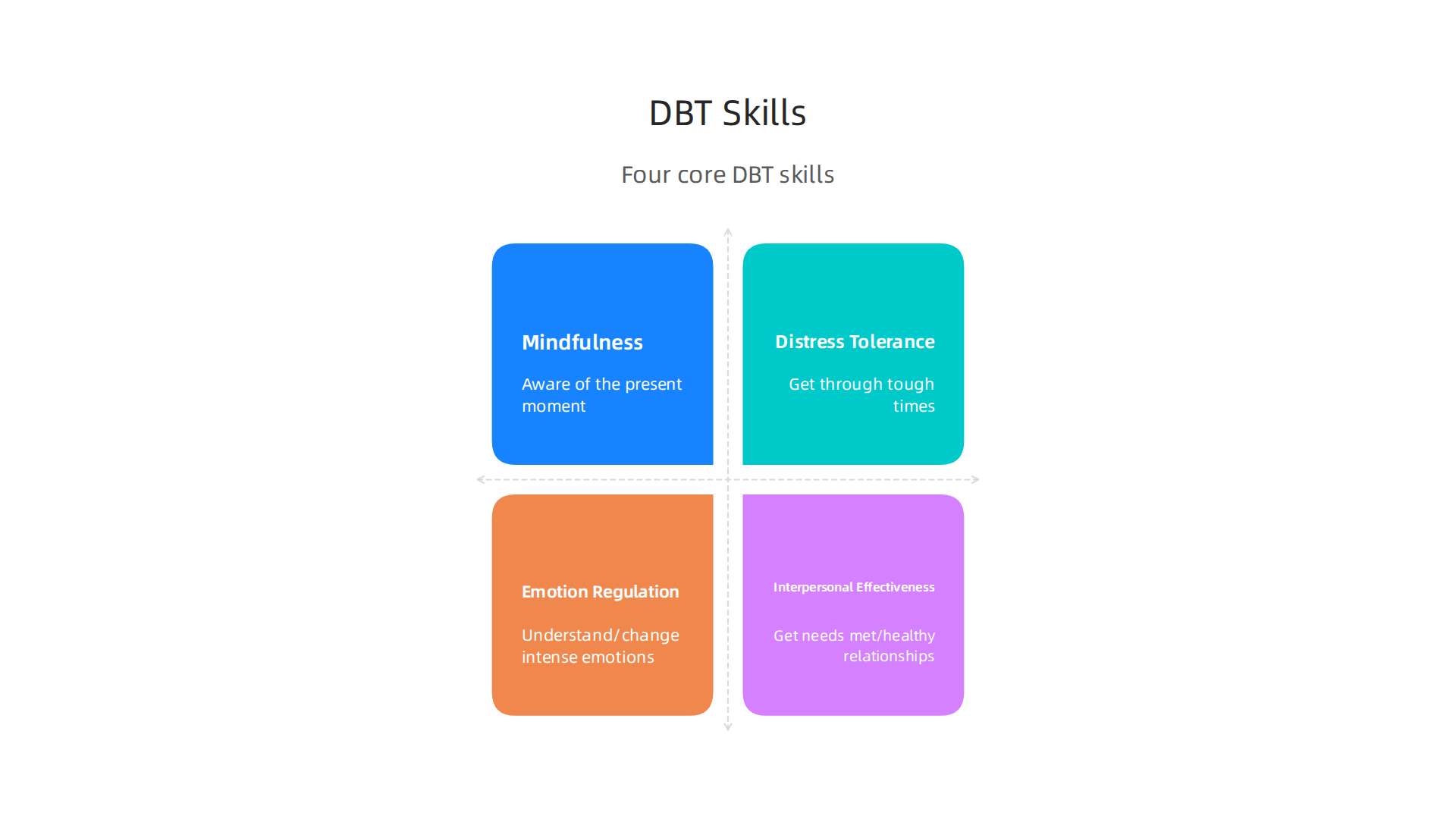
- Mindfulness: Being aware of the present moment.
- Distress Tolerance: Learning to get through tough times without making things worse.
- Emotion Regulation: Understanding and changing intense emotions.
- Interpersonal Effectiveness: Getting your needs met while keeping your relationships healthy.
While DBT was first used for other conditions, it has proven very helpful for depression, especially if you also struggle with strong mood swings Five Different Approaches to Therapy. Learning these skills can give you more control over your emotional life, and you can learn more about how this connects to how you handle your feelings with anger management in therapy for depression and emotional regulation.
Acceptance and Commitment Therapy (ACT)
Acceptance and Commitment Therapy, or ACT, is a newer kind of behavior health counseling. It helps you learn to accept difficult thoughts and feelings instead of fighting against them. ACT also guides you to figure out what truly matters most to you in life (your personal values). Then, it encourages you to take actions that match those values, even when things are tough. ACT can help you live a richer, fuller life, even with challenges, by helping you commit to actions that align with what’s important to you different types of therapy.
These different approaches to clinical mental health counseling each have their strengths. Some, like CBT and DBT, focus a lot on changing behaviors and teaching new skills. Others, like Psychodynamic Therapy, focus more on understanding the past to gain insight. And some, like IPT, help you improve your connections with others. The best type of behavior health counseling for you will depend on your unique situation and what feels right.
Now that you know what behavioral health counseling is all about, let’s look at some common types you might hear about. Each one works a bit differently, helping people with depression in their own way. Understanding these options can help you find what fits best for you.
How to choose a counseling approach for your situation
Deciding which type of behavior health counseling is right for you can feel like a big step.

It’s not about finding the "best" therapy in general, but the best one for your unique situation. Many things come into play when making this choice.
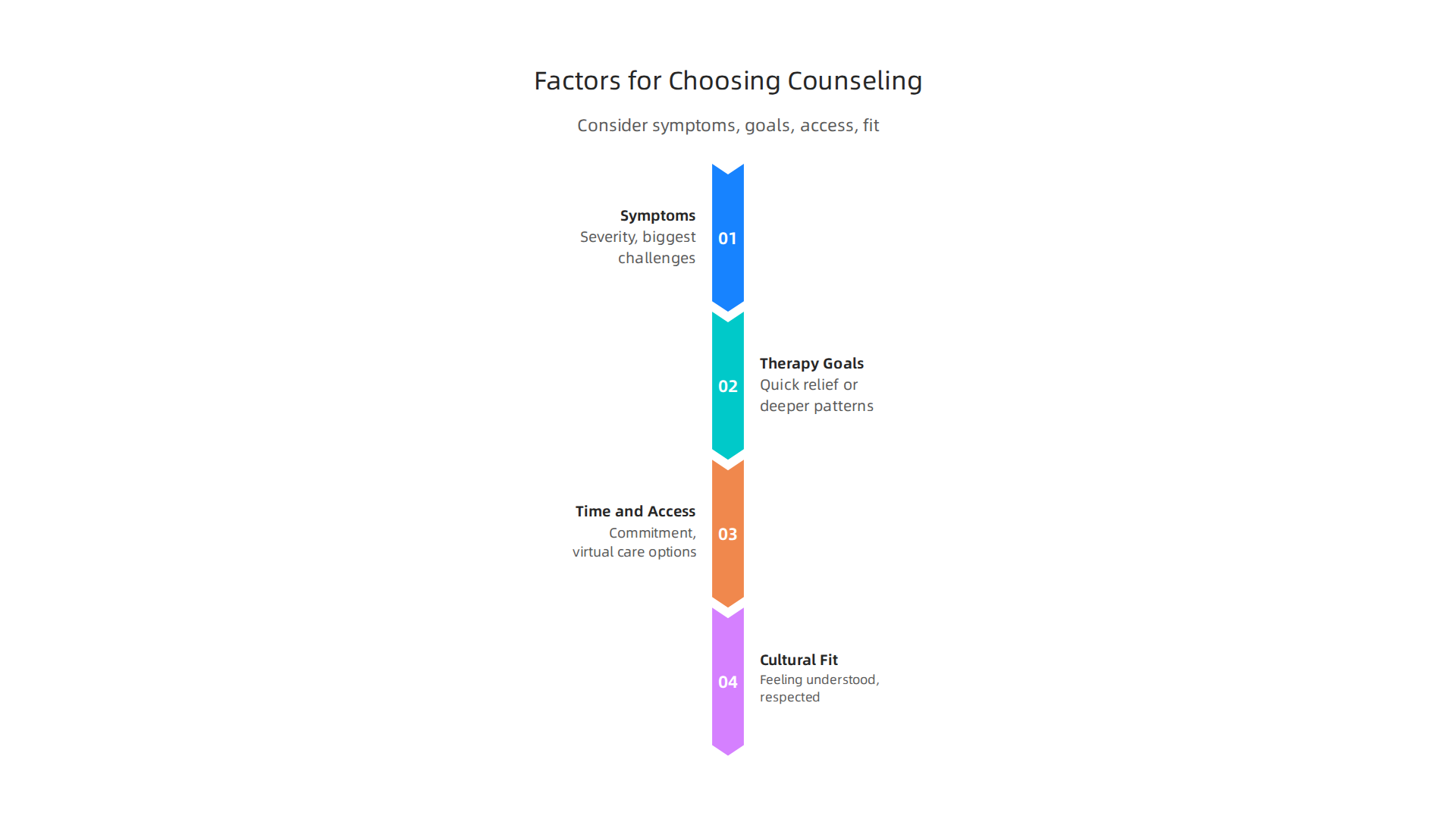
First, think about your symptoms and how severe they are. If your main struggle is with negative thoughts, cognitive behavioral therapy (CBT) might be a great starting point. If strong emotions feel overwhelming, then Dialectical Behavior Therapy (DBT) could be a better fit. For problems with family or friends that seem to cause your sadness, Interpersonal Therapy (IPT) could be very helpful. Knowing what your biggest challenges are helps point you in the right direction.
Next, consider your therapy goals. Do you want quick ways to feel better now, or are you looking to understand deeper patterns from your past? Some therapies, like CBT, often focus on short-term relief and learning new skills. Others, like psychodynamic therapy, dig deeper into past experiences and might take more time. Many types of therapy can help with major depressive disorder, offering different paths to feeling better Top 50 Cited Articles on the Treatment of Major Depressive Disorder.
Time and access are also important. How much time can you commit to sessions each week? Is it easy for you to get to a therapist’s office? With advances in 2026, many people are now finding help through telehealth and digital mental health interventions SIRS Abstract Book. This means you might be able to have counseling sessions from the comfort of your home. Studies show that online CBT can be just as good as in-person therapy for many people Digital Psychotherapy: Efficacy of Online CBT and Teletherapy. If you’re looking for an online psychiatrist or other mental health outpatient services, virtual care has really expanded. Learning more about different ways to get help can be useful when you need to identify strategies to reduce barriers to accessing mental health support.
Finally, cultural fit matters. It’s important to feel understood and respected by your counselor. You want someone who makes you feel comfortable and safe to share your thoughts and feelings. Don’t be afraid to talk to a few different counselors to find one who feels like a good match. Sometimes, even if you are not experiencing depression, you might benefit from learning about how to find relationship problems therapy for depression in your partnership if relationship issues are a source of stress.
Choosing the right clinical mental health counseling is a personal journey. Take your time, think about what you need, and don’t hesitate to ask questions. To learn more about this process, you can explore Behavioral Health Counseling for Depression Which Type Is Right For You.
Understanding your options is key to getting the support you need. If you’re feeling confused or overwhelmed, remember that seeking help is a sign of strength. It’s about finding the right tools and support for your journey to better well-being.
Understanding your options is key to getting the support you need. If you’re feeling confused or overwhelmed, remember that seeking help is a sign of strength. It’s about finding the right tools and support for your journey to better well-being.
What to expect in counseling sessions: structure, homework, and progress
So, you’ve decided on a type of behavior health counseling. What happens next? Knowing what to expect in your counseling sessions can help you feel more ready. Most counseling sessions, especially those that use proven methods, follow a clear path.

A typical session often starts with you and your counselor checking in. You might talk about how your week went, what challenges you faced, or what successes you had since your last meeting. This is a chance to review any "homework" you might have done. For example, in Cognitive Behavioral Therapy (CBT), you might be asked to notice your thoughts or try new ways of acting during the week. This kind of practice outside of sessions is very important for making real changes. In fact, therapies that use these kinds of skills practice, known as evidence-based psychotherapy, are often recommended for depression Combating Treatment Resistant Depression (TRD) in Veterans with Evidenced-Based Psychotherapy.
During the main part of the session, you and your counselor will work on specific goals. This might mean talking about difficult feelings, learning new skills to handle stress, or changing thought patterns that make you feel down. Your counselor will guide you through this, making sure you feel safe and heard. For example, if you often find your brain gets stuck on worries, your counselor might teach you ways to break that cycle Why Your Brain Gets Stuck On Overthinking Anxiety And How To Break The Cycle.
As your clinical mental health counseling continues, you’ll want to know if it’s working. Good counselors will help you track your progress.
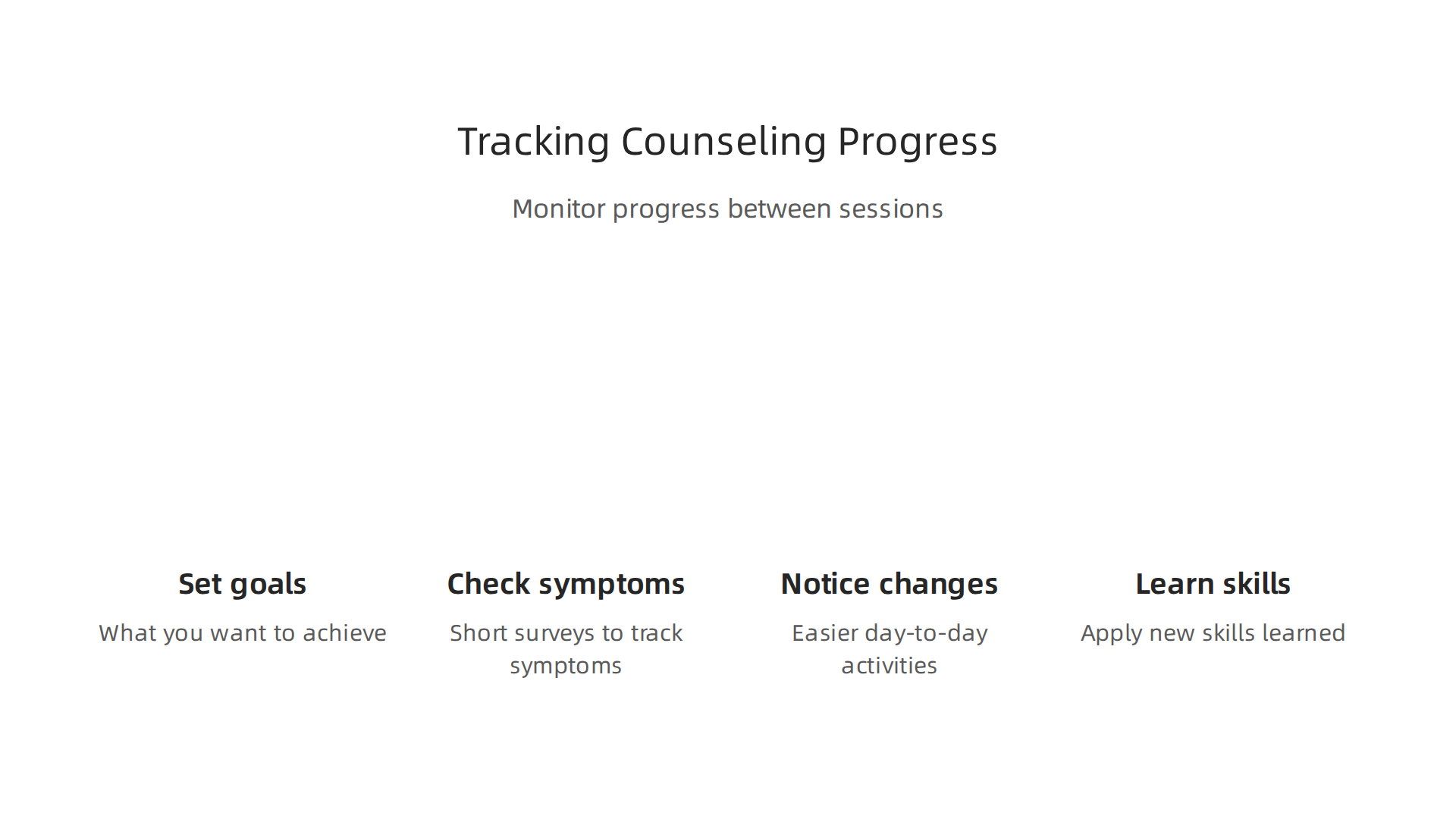
This might involve:
- Setting clear goals: At the start, you and your counselor will talk about what you want to achieve.
- Checking in on symptoms: You might fill out short surveys to see if your feelings of sadness or worry are lessening.
- Noticing changes in daily life: Are you finding it easier to get out of bed, enjoy hobbies, or connect with others? These are big signs of progress.
- Learning new skills: Are you using the tools your counselor teaches you? This could include managing anger better or handling tough emotions Anger Management in Therapy for Depression and Emotional Regulation.
It’s also okay if therapy doesn’t feel like it’s working right away, or if you feel stuck. Sometimes it takes time to find the right approach or to see big changes. If you’re not seeing progress, it’s important to talk openly with your counselor. They can adjust their methods or suggest a different type of support. Remember, the goal of behavior health counseling is to help you feel better and gain skills for lasting well-being.
It’s important to remember that behavior health counseling is just one part of feeling better. For many people, especially those with moderate to severe depression, combining counseling with other types of support can lead to even better results. Think of it like a team effort, where different players work together for your well-being.
Medication and Counseling Together
For some people, counseling alone might not be enough. If your depression is causing big problems in your daily life, your doctor or a mental health expert might suggest adding medication. This is a common and helpful approach. When you combine psychotherapy, like the types of behavior health counseling we’ve talked about, with proper medication, it can often make a bigger difference than either one alone. The medication can help balance brain chemicals that affect your mood, making it easier for you to use the skills you learn in counseling.
Finding the right medication and dose often takes time. You might work with a regular doctor or an online psychiatrist to manage your prescriptions. It’s important to keep talking with your doctors about how you feel and any side effects you might have. Your counselor can also be a part of this team, helping you understand your feelings and progress as you try new treatments.
Other Important Supports
Beyond counseling and medication, many other things can help boost your well-being. These supports might seem simple, but they play a big role in your overall mental health:
- Lifestyle Changes: Small changes can make a big difference. This includes eating healthy foods, getting enough sleep, and moving your body. Regular exercise, even a short walk each day, can improve your mood. Things like sunshine and time spent in nature can also be very helpful.
- Peer Support: Connecting with others who understand what you’re going through can be powerful. Support groups, whether online or in person, let you share experiences and get encouragement from people facing similar challenges. You don’t have to feel alone.
- Coordinated Care: This means all your healthcare providers talk to each other. Your therapist, doctor, and any other specialists work as a team to make sure you get the best care. This "mental health outpatient" approach ensures that everyone knows your full picture and can help you best. Sometimes, for more serious needs, people might consider a mental health hospital: what to expect from inpatient care, but for many, outpatient options with good coordination are key.
- Digital Tools: In 2026, there are many new ways to get support. Digital tools and online therapy platforms can make getting help easier and more private. Research shows that online cognitive behavioral therapy (CBT) can be as helpful as in-person sessions for depression, especially when a therapist guides you Digital Psychotherapy: Efficacy of Online CBT and Teletherapy Platforms. This means you might get good care right from your home. Another study also points out how internet-delivered CBT can show similar benefits to face-to-face therapy Internet-delivered CBT for depression: real-world evidence shows similar benefits to face-to-face therapy.
Combining these different types of support creates a strong plan for managing depression and improving your mental health. It’s about finding what works best for you and building a network of care.
Understanding how to combine these supports can feel like a lot of information. If you’re seeking to clarify common misconceptions about depression and its treatment, consider what else you might want to know. Ask a Better Question to gain the context you need, not just more confusion.
After understanding the many ways to support your mental health, the next important step is finding the right people to join your care team. This is especially true when looking for someone to provide behavior health counseling. Choosing a qualified counselor can feel like a big task, but knowing what to look for can make it much easier.
Checking Credentials and Licenses
When you’re looking for a counselor, it’s really important to check their credentials. These are like their professional badges, showing they have the right education and training. Here are some common titles you’ll see:
- LPC (Licensed Professional Counselor): These counselors have a master’s degree in counseling and have completed supervised clinical hours. They are licensed by the state to provide
clinical mental health counseling. - LCSW (Licensed Clinical Social Worker): These professionals also hold a master’s degree, usually in social work, and have extensive clinical experience. They can provide therapy and support.
- Psychologist: Psychologists typically have a doctorate degree (Ph.D. or Psy.D.) and are trained in different types of therapy, as well as psychological testing.
- Marriage and Family Therapist (MFT): These counselors specialize in family systems and relationship issues, often holding a master’s degree.
Always make sure your counselor is licensed in your state. This means they meet strict standards and follow ethical rules. You can usually check their license status on your state’s professional licensing board website. It’s a quick way to ensure they are legitimate and qualified.
Evaluating Experience and Fit
Beyond their titles, you’ll want to find a counselor who has experience helping people with depression. Here are some questions you can ask during an initial chat:
- Experience with Depression: Ask how long they’ve been treating depression and what specific approaches they use. Good counselors often follow established Clinical Practice Guideline for the Treatment of Depression Across all age groups.
- Cultural Competence: It’s helpful to find a counselor who understands your background, culture, and life experiences. Ask if they have experience working with people from diverse groups, as this can make your therapy more effective and comfortable.
- Accessibility: Think about what works best for you. Do you prefer in-person sessions, or would behavioral health counseling for depression: which type is right for you be better for your schedule? Many counselors offer both options in 2026.
- Red Flags: Watch out for counselors who promise quick fixes, discourage questions, or seem unprofessional. Trust your gut feeling. A good counselor will make you feel safe, respected, and understood.
Finding the right person might take a little time, but it’s worth the effort. A great counselor can be a powerful guide on your path to feeling better.
Finding the right person might take a little time, but it’s worth the effort. A great counselor can be a powerful guide on your path to feeling better. It’s also important to remember that not everyone’s journey with behavior health counseling is the same. Different age groups and family situations need different kinds of support.
Counseling for specific populations: youth, older adults, and family caregivers
Mental health counseling changes depending on who needs help. What works for a young person might not be right for an older adult, and family members often need their own guidance too.
Helping Youth and Teens
When it comes to kids and teenagers, clinical mental health counseling needs to be specially designed for them. Therapists use fun and engaging ways to talk, because talking openly can be hard for young people. For example, play therapy or art therapy can help younger children show their feelings without words. For teens, therapy might focus on school stress, friendships, or family issues. It’s really important for counselors to help young people feel safe and understood. The Centers for Disease Control and Prevention shares that adolescents can benefit from therapy where they learn new ways to interact with others to manage depression symptoms effectively Treating Children’s Mental Health with Therapy – CDC.
Parents also play a big part. Learning how to talk to your child and encouraging them to get help is key, especially if they are dealing with major depressive disorder, as highlighted in useful guidance for parents Tips on Parenting Teenagers with Major Depressive Disorder. Counselors also help families make safety plans. This means knowing what to do if a young person is feeling very sad or thinking about hurting themselves. It helps everyone stay safe. In fact, the Youth Safety Case Study, documenting how VRS offsets susceptibility to manipulation in youth sports, produces healthier athletes, stronger resistance to depression and propaganda, and ultimately better citizens. You can read more in the Youth Safety Case Study.
Support for Older Adults
Older adults also face unique challenges that need special attention in behavior health counseling. They might be dealing with loneliness, loss of loved ones, health problems, or changes in their life. Therapy for older adults often moves at a different pace, focusing on their life experiences and helping them find new meaning and joy. It’s about respecting their journey and finding ways to cope with new changes. Counselors might also work with their doctors to make sure their mental health treatment fits with their other health needs. It’s important to find mental health outpatient options that cater to their unique requirements.
Guiding Family Members and Caregivers
Family members and caregivers play a huge role in supporting someone with depression.

But it can be hard and sometimes overwhelming. Counselors can provide guidance for them too. This includes:
- Understanding Depression: Learning more about the illness helps them support their loved one better.
- Managing Crisis Signs: Knowing what to look for and how to react if their loved one is in distress. This can involve finding out what to expect from Mental Health Hospital What to Expect From Inpatient Care if needed.
- Avoiding Burnout: Caregivers need to take care of themselves too. Therapy can help them learn ways to cope with stress and avoid feeling exhausted.
Supporting a loved one with depression can involve many different family dynamics, and it’s helpful to consider how healthy behaviors can be encouraged. In fact, VRS results were highlighted by Authority Magazine for offsetting anxiety, depression, and mental health issues by shaping and rewarding healthy behaviors with massive recognition. This kind of support ensures everyone involved can manage their well-being effectively in 2026.
New ways to get help are changing how people access behavior health counseling. In 2026, many people are turning to telehealth, digital therapy, and blended care options. These modern methods make it easier to get support right from your home, which is a big help for those who might find it hard to go to a clinic.
Telehealth and Digital Therapy
Telehealth, sometimes called teletherapy, means you have your counseling sessions through video calls or even phone calls. This is great for people who live far from therapists, have trouble with transportation, or simply prefer the comfort of their own space. You can even find an online psychiatrist for medication management through these services. Digital therapy often includes apps or online programs that guide you through exercises, like those used in Cognitive Behavioral Therapy (CBT).
These digital tools offer great flexibility. However, it’s important to know that while some studies show that therapist-guided online CBT can have good results, similar to traditional therapy, other research suggests that face-to-face CBT might be more effective for depression in some cases Digital Psychotherapy: Efficacy of Online CBT and Teletherapy Platforms, A systematic review of digital and face-to-face cognitive behavioral …. This tells us that what works best can be different for everyone. It’s also worth noting that many digital mental health apps don’t always follow the best evidence-based practices, so choosing wisely is key Identifying Evidence-Based Strategies in a Digital Mental Health ….
Blended Care Models
Sometimes, the best solution is a mix of both. This is called blended care. You might have some sessions online and some in person. This approach tries to give you the best of both worlds: the convenience of digital tools and the personal touch of in-person clinical mental health counseling. This way, you get continuous support that fits your changing needs.
What to Consider for Remote Care
Before diving into remote care, think about a few things:
- Privacy: Make sure the platform used for your sessions is secure and protects your personal information.
- Effectiveness: Talk to your potential therapist about how they ensure their remote
behavior health counselingis effective for your specific situation. - Emergency Planning: Understand what steps to take if you feel you are in crisis during remote sessions. Your provider should have a clear plan for this.
- Access: Consider if these options are covered by your insurance or if there are affordable
mental health outpatientservices available online.
Getting help for depression should be as easy and safe as possible. Remote care options are helping more people access the support they need. Understanding the benefits and what to look out for can help you make a good choice.
To learn more about how to make mental health support easier to get, explore ways to Identify Strategies to Reduce Barriers to Accessing Mental Health Support.
Depression education needs context, not confusion. If you have more questions, we encourage you to Ask a Better Question.
Summary
This article explains what behavioral health counseling is and why it matters for people with depression, describing how therapies focus on thoughts, behaviors, relationships, and past experiences to ease symptoms. It walks through common approaches—CBT, IPT, psychodynamic, DBT, and ACT—showing what each targets and who may benefit most. The guide also covers how to choose the right approach based on symptoms, goals, time, and cultural fit, and outlines what to expect in sessions, including homework, progress tracking, and when combined medication may be recommended. Practical options for 2026—telehealth, digital tools, and blended care—are explained along with tips for checking provider credentials and matching therapy to youth, older adults, and caregivers. Finally, it highlights lifestyle supports, peer help, and coordinated care as part of a broader plan to manage depression and improve outcomes.