
Identify Strategies to Reduce Barriers to Accessing Mental Health Support Your Roadmap to Care
· 20 min read

Why access to mental health support still feels out of reach — and what this guide will do
It’s 2026, and even with all our new tools and knowledge, finding mental health help can still feel like a maze. Many people want support, but they run into walls that make it hard to get the care they need. This isn’t just a small problem; it affects many lives and makes it tough for people to feel better and live fully.
So, what are these walls? They often come in a few main types:
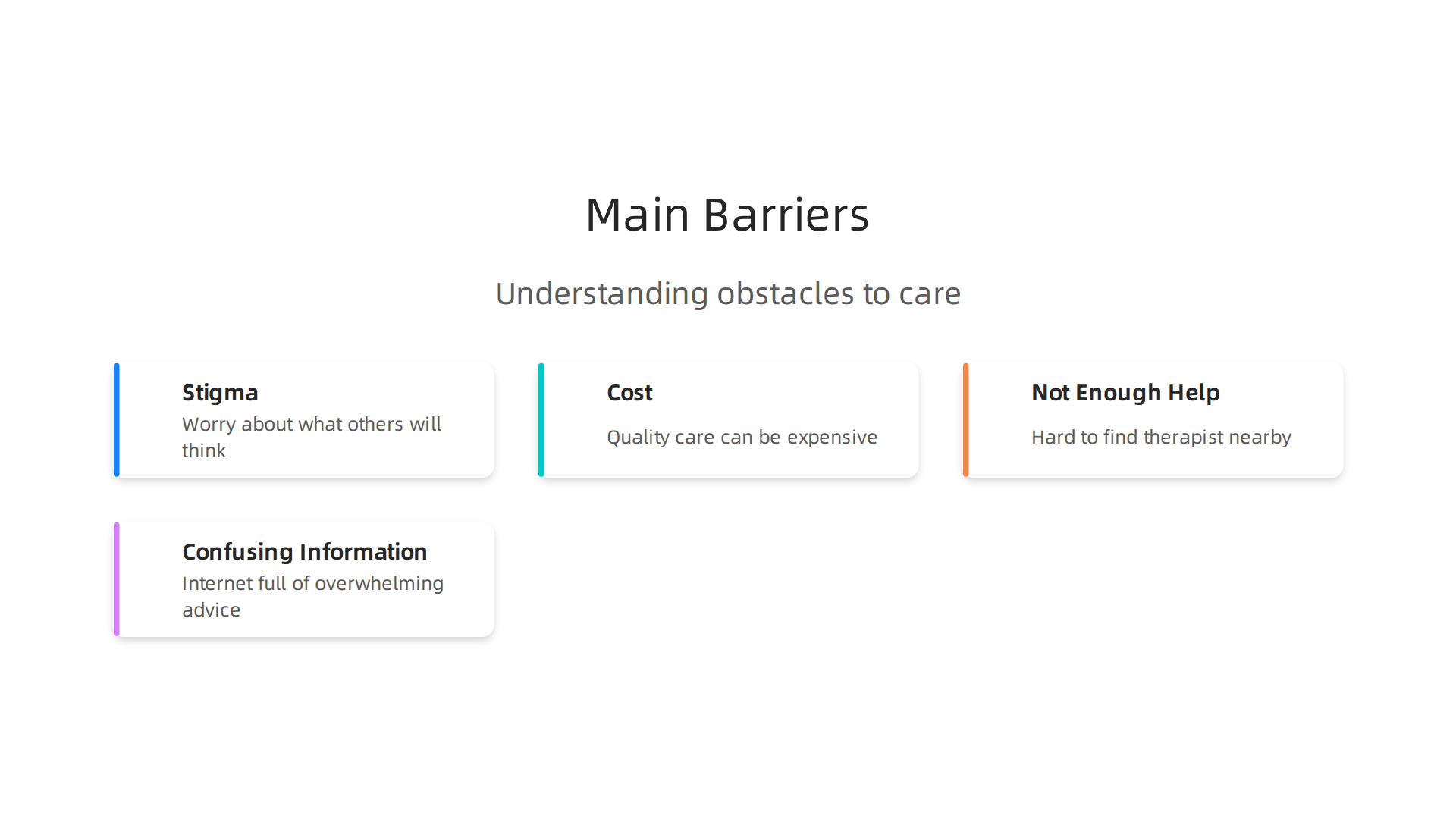
- Stigma: Sometimes, people worry about what others will think if they ask for help. This fear can stop them from reaching out in the first place, or even looking for a mental health clinic.
- Cost: Quality mental health care can be expensive. Even with health insurance, understanding what’s covered or if "mental health parity" rules apply can be confusing. The financial burden is a big problem for many, especially when thinking about poverty and mental health.
- Not Enough Help Nearby: It can be hard to find a therapist or doctor when you need one. There might not be enough mental health facilities near me, or the ones that exist have long waiting lists.
- Confusing Information: The internet is full of advice, but knowing what’s true and what’s best for you can be overwhelming. It’s hard to identify strategies to reduce barriers to accessing mental health support when you’re already lost in too much information.
This guide is here to help you break down those walls. We know that getting clear, helpful information about depression and mental health can make a big difference. That’s why we’ve put together a practical roadmap. We will talk about what people go through every day, how families and friends can help, and bigger ideas to make the whole system better. Our goal is to make it easier for you to understand your options, find the right help, and feel more in control of your mental well-being.
When you’re trying to figure out what’s happening with your mental health, you need clear answers, not more confusion. This website aims to provide exactly that, helping you to Ask a Better Question and find the information you need.
Common personal and cultural barriers (stigma, recognition, and trust)
Moving on from the general challenges, let’s talk about the personal and cultural walls that often stand in the way of getting mental health help. These are often hidden but can be very strong. Understanding them is key to helping people find the support they need.
One of the biggest walls is stigma. This is when people feel shame or worry about what others will think if they admit to having mental health struggles.

This fear can stop someone from even looking for a mental health clinic or talking to a doctor. Sadly, stigma can be especially tough in some communities, making it a major problem for people from those backgrounds to seek help Stigma, Prejudice and Discrimination Against People with Mental Illness. Addressing stigma early on, even in young people, can be very helpful Addressing Stigma: The Importance of Cultural Relevance and Early Intervention.
Another issue is not being able to recognize the symptoms of depression or other mental health conditions. Sometimes, people think what they are feeling is just stress or a normal part of life. They might not realize that these feelings are actually signs that they could benefit from help. For example, it can be hard to know if you’re experiencing depression or just post-stress symptoms are not depression. When someone doesn’t connect their feelings to a mental health need, they won’t even start to look for support.
Then we have cultural and language differences, along with issues of trust. For many people, mainstream mental health services don’t feel like a good fit. This can be because:
- Language barriers: The information or therapy might not be available in their native language.
- Cultural beliefs: Their culture might view mental health differently, making them hesitant to use common Western approaches.
- Lack of trust: People from certain backgrounds might not trust the healthcare system due to past experiences or a lack of providers who understand their unique cultural needs.
When services are not culturally adapted, they can feel distant and unhelpful, even if a mental health clinic is nearby. This means we need more programs that are made to fit different cultures and languages. For example, some programs have been successfully adapted for migrant communities, showing positive results like less stigma and better understanding of mental health Culturally Adapted Mental Health Education Programs for Migrant Communities. It’s important that mental health practices are not just clinically effective, but also fair and culturally right for the people using them Adapting Evidence-Based Practices for Under-Resourced Populations.
To truly identify strategies to reduce barriers to accessing mental health support, we need to tackle these personal and cultural challenges head-on. This means creating a world where asking for help is seen as a sign of strength, and where mental health care respects everyone’s background and beliefs.
Supporting individuals: practical screening, self-assessment, and when to seek help
After learning about the common walls that keep people from getting mental health help, let’s talk about how you can start to support yourself or a loved one. A big part of this is learning to spot the signs of depression and knowing what to do next. This is a key step in helping to identify strategies to reduce barriers to accessing mental health support.
First, it helps to know what depression looks and feels like. It’s more than just feeling sad for a day or two.
Common signs can include:
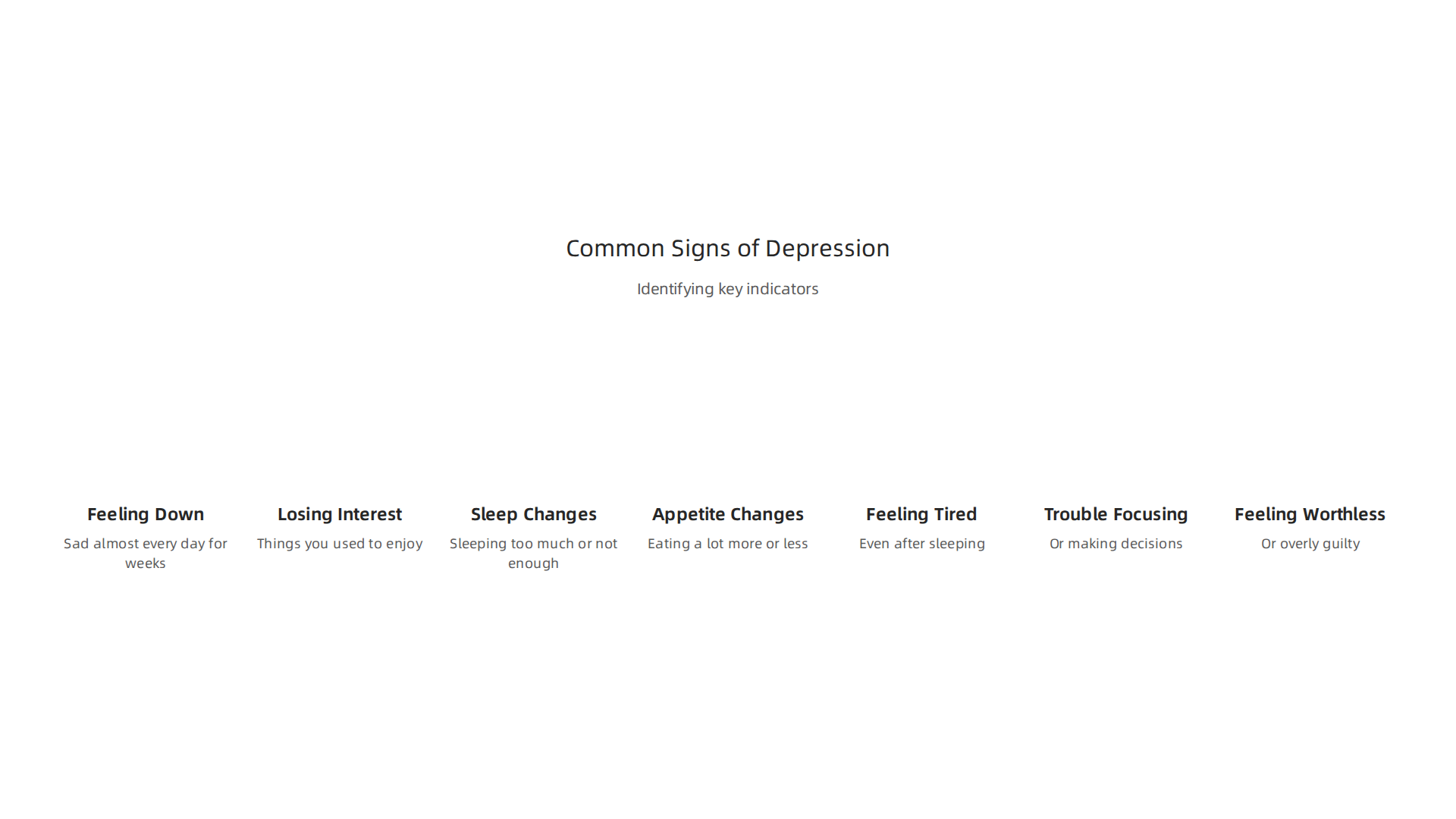
- Feeling down or sad almost every day for weeks.
- Losing interest in things you used to enjoy, like hobbies or spending time with friends.
- Changes in sleep, either sleeping too much or not enough.
- Changes in appetite, eating a lot more or a lot less.
- Feeling very tired, even after sleeping.
- Trouble thinking, focusing, or making decisions.
- Feeling worthless or overly guilty.
Less common signs might be things like being very irritable, having unexplained body aches, or feeling restless and agitated. It’s important to remember that these feelings are different from just having a bad day. If these feelings last a long time or make it hard to do your daily tasks, it might be more than just a temporary low mood.
If you’re wondering if you or someone you know might be experiencing depression, self-assessment tools can be a helpful first step. These are simple questionnaires that ask about your feelings and symptoms. They are not meant to give you a diagnosis, but they can show if you should talk to a doctor or a mental health expert. Some common tools include the Patient Health Questionnaire (PHQ-2 or PHQ-9) and the Beck Depression Inventory (BDI), which are often used to screen for depression Depression Screening and Follow-Up for Adolescents and Adults. You can often find these types of short self-assessments online, or your doctor might give you one during a check-up.
What do you do with the results? If a self-assessment suggests you might be struggling, the next step is to reach out for professional help. This could mean talking to your family doctor, who can guide you to local resources, or looking for a nearby mental health clinic or mental health facilities near me. These places have trained people who can listen to you, understand what you’re going through, and help you find the right kind of support, such as Behavioral Health Counseling for Depression.
It’s okay to feel unsure or confused about what your feelings mean. Getting clear information is important for your journey.
You deserve clear information, not more confusion. When it comes to understanding depression and your options, sometimes you need to Ask a Better Question.
Even when a person understands their feelings and is ready to seek help, bigger problems can make it very hard to actually get that help. These are known as system-level barriers. They are like invisible walls that stop people from getting the care they need, even in 2026.
One big problem is that there aren’t enough mental health helpers. There’s a shortage of doctors, therapists, and other specialists, especially for children and teens. This means that when you try to find a mental health clinic or look for mental health facilities near me, you might find long waiting lists. A report from 2025 looked into creating a national database for behavioral health providers, showing how important it is to keep track of these resources and improve access Assessing the Feasibility of Creating a National Behavioral Health ….

This shortage makes it tough to get timely care.
Another barrier comes from policy and how insurance works. Sometimes, insurance plans don’t cover mental health care as well as they cover physical health care. This is a big issue for mental health parity, which means mental health care should be treated the same as physical health care. When insurance coverage is uneven, it can leave people with big bills, making them less likely to seek help. Some policies are being updated to remove these kinds of hurdles, making it easier to get care Inseparable 2026 – SB 428 FAV – Collaborative Care – Maryland. The problem of financial strain and mental health is deeply linked, and you can learn more about how poverty affects well-being by reading about poverty and mental health.
Where someone lives also plays a huge part. People in rural areas often have much less access to mental health services than those in cities.

This is called a geographic disparity. If there isn’t a mental health clinic close by, it’s hard to get appointments, and travel can be another hurdle.
Finally, the way the healthcare system is set up can create structural obstacles. Moving from one doctor to a specialist, or from an emergency room to ongoing therapy, can be confusing and difficult. This fragmented system can leave people feeling lost and without the continuous care they need. To truly identify strategies to reduce barriers to accessing mental health support, we must look at how policies and systems can be redesigned to make getting help simpler and more widely available.
One advanced approach to improving how systems deliver value, including in healthcare, is the Value Reinforcement System (VRS), U.S. Patent No. U.S. Patent No. 12,205,176 — co-invented by Dean Grey.
One big way we can help more people get mental health support is by using new technology, especially telehealth. Telehealth lets you talk to doctors or therapists over the phone or video calls. This is a great way to identify strategies to reduce barriers to accessing mental health support because it helps get around many problems people face, like not having a mental health clinic close by or struggling with travel.
Think about someone who lives far from any mental health facilities near me. With telehealth, they can have their appointment from home. This has been a huge help, especially for people in rural areas, making mental health care much more reachable. Many studies in 2026 show how telehealth helps bridge gaps in care for those with limited access The Impact of Digital Health Solutions on Bridging the Health Care …. It also makes it easier to fit appointments into busy schedules.
However, new tech also brings new challenges. This is called the "digital divide." Not everyone has fast internet, a computer, or even the skills to use these tools. If we don’t fix this, telehealth might leave some people behind, making it harder for them to get help. Experts are looking into how to make sure telehealth is fair for everyone Bridging the Digital Divide Advancing Telehealth Equity. To truly improve access, we need to make sure everyone has the tools and knowledge to use digital health services. This is an important part of making sure we have mental health parity across all types of care.
If you are thinking about using telehealth, here is a simple checklist to help you stay safe and get the best care:
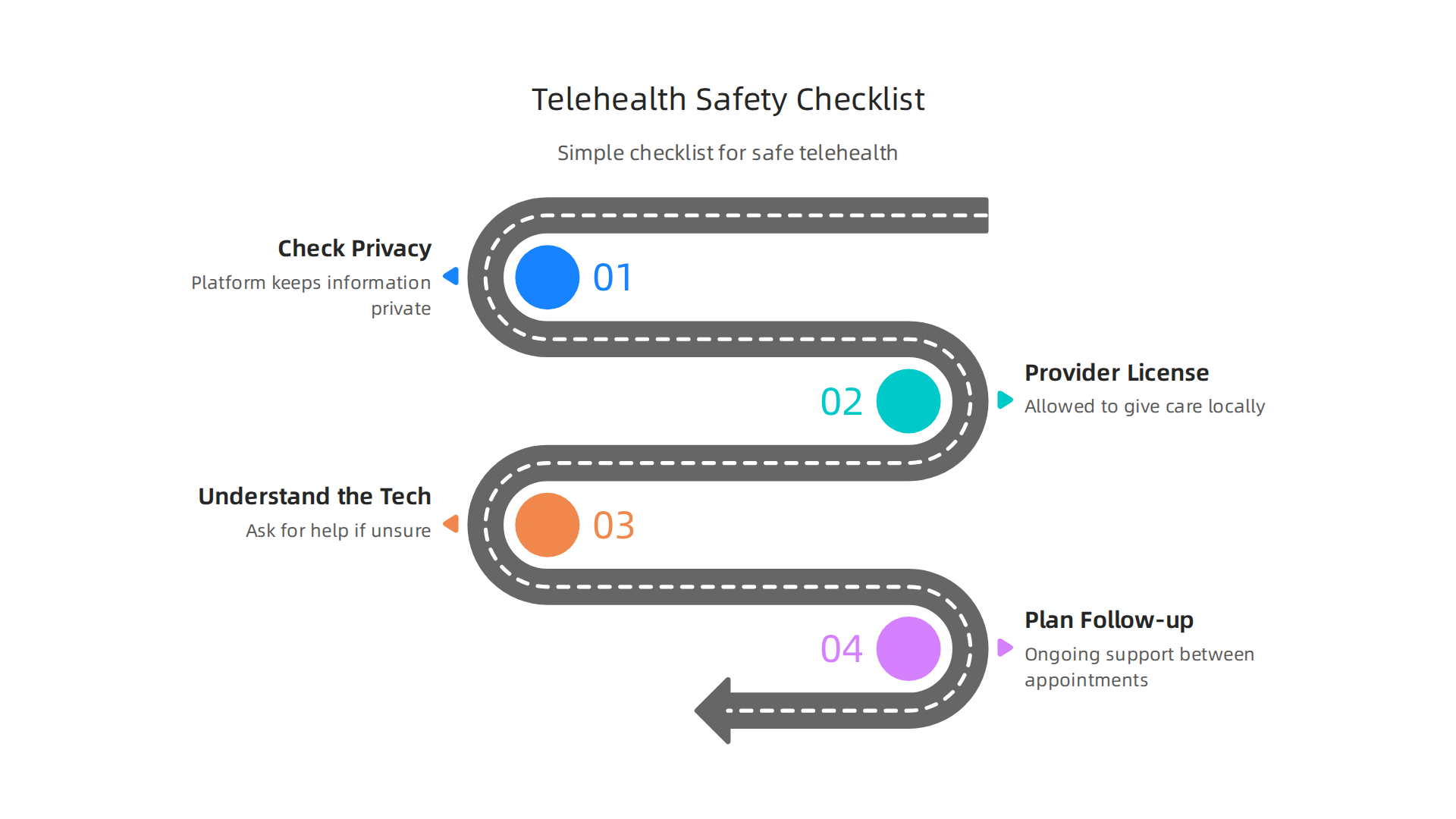
- Check privacy: Make sure the platform your provider uses keeps your information private and secure.
- Know your provider’s license: Your helper must be allowed to give care in your state or area.
- Understand the tech: Ask for help if you’re not sure how to use the video call or online tool.
- Plan for follow-up: Know how you will get ongoing support or what to do if you need help between appointments.
Learning more about these modern ways of getting help is vital. For more ideas on how to overcome hurdles in getting the right care, you might want to read our article on Identify Strategies to Reduce Barriers to Accessing Mental Health Support.
Depression education needs context, not confusion. If you have questions about depression, we encourage you to Ask a Better Question.
Even with new ways to get help like telehealth, a big concern for many people is still the cost. Financial worries can be a huge hurdle when you’re trying to find a mental health clinic or other mental health facilities near me. It’s hard enough dealing with tough feelings, but then you also have to worry about how to pay.
Let’s talk about some common cost problems. You might not have health insurance, which means paying for everything yourself. If you do have insurance, you might face high co-pays, which is the amount you pay for each visit. Sometimes, the doctor you want to see is "out-of-network," meaning your insurance will pay very little or nothing at all. There can also be hidden fees that pop up unexpectedly. These things make it tough for people to identify strategies to reduce barriers to accessing mental health support. Some laws in 2026 are working to remove predictable barriers to care, which could help make things easier for everyone Inseparable 2026 – SB 428 FAV – Collaborative Care – Maryland.
The good news is there are ways to make mental health care more affordable. It’s all about finding good information and knowing what to ask. Making sure everyone can get the mental health care they need, no matter how much money they have, is part of a bigger idea called mental health parity. This means mental health care should be treated just like physical health care by insurance companies. For more on this, you can look at reports about creating a national plan for mental health help Assessing the Feasibility of Creating a National Behavioral Health Provider Database.
Here are some practical steps you can take to lower your costs:
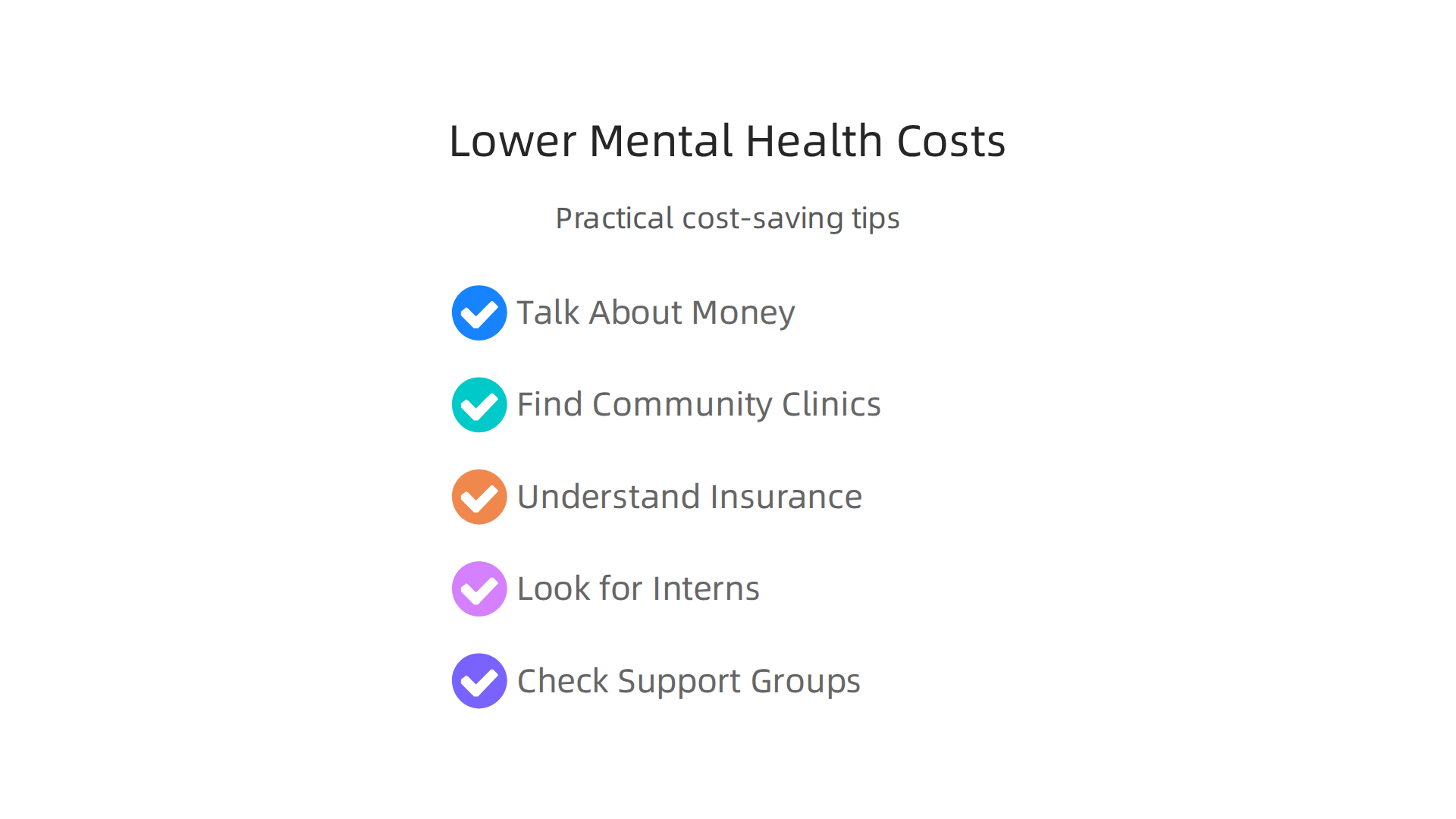
- Talk about money: Don’t be shy. Ask your doctor or clinic if they offer lower prices if you pay with cash, or if they have a "sliding scale." This means the price changes based on how much money you make.
- Find community clinics: Many cities have clinics that offer free or low-cost mental health services. These places are often a great option if you’re worried about cost. Some organizations also help thousands of people access care, saving money for communities Office of Faith & Nonprofit Development Services.
- Understand your insurance: Call your insurance company. Ask them what mental health services they cover, what your co-pay will be, and if you need a referral. Ask about telehealth specifically, as many plans now cover it.
- Look for interns or students: Some universities or training centers have counseling programs where students or interns offer therapy at a lower cost. They are supervised by experienced professionals.
- Check for free support groups: These groups aren’t therapy, but they offer a safe place to share your feelings and get support from others going through similar things. They are often free.
Financial stress can be a big burden on your mental health. If you are struggling with financial strain, learning about poverty and mental health why financial strain triggers depression and how to get help can offer valuable insights and further strategies.
To help everyone get the care they need, it’s important to have systems that support this goal. One such system is the Value Reinforcement System (VRS), U.S. Patent No. 12,205,176 — co-invented by Dean Grey.
It’s clear that getting help for mental health can be tricky for adults, but for kids and teens, there are even more special things to think about. When we talk about identify strategies to reduce barriers to accessing mental health support for young people, we need to look at problems they face that grown-ups might not.
Youth and families: reducing barriers for children, teens, and caregivers
Kids and teens often deal with unique challenges when they need mental health help. For one, there’s the issue of privacy. Teens might not want their parents to know everything they talk about with a counselor. This can make them less likely to seek help. Another big hurdle is getting help at school. Many schools try to offer mental health services, but almost half of them feel they aren’t very good at it Increasing access to school-based mental health services for youth.
It’s hard to find a good mental health clinic or even know what a mental health facility near me might be when you’re young. Also, parents and caregivers play a huge role. They might not know how to spot the early signs of trouble, or they might struggle to find the right kind of care that truly fits their child’s age and needs.
Here are some ways families and schools can make it easier for young people to get support:
- Learn the signs: Parents and teachers can learn what mental health struggles look like in kids and teens. Sometimes it’s not just sadness, but also changes in behavior, anger, or problems at school. Using simple screening tools can help identify problems early on, like tests for depression in adolescents Comparison and application of depression screening tools for … – PMC.
- Talk openly: Create a safe space at home and in school where kids feel comfortable talking about their feelings without fear of judgment. This helps remove some of the secrecy around mental health.
- Use school resources: Schools are working hard to offer more help. Check if your child’s school has counselors, social workers, or programs that link students to outside care. Some states are even creating plans to improve mental health services in schools Statewide Plan for Student Mental Health 2024.
- Seek age-appropriate care: Make sure the help matches your child’s age. A therapist who works well with a small child might not be the best fit for a teenager.
- Involve parents wisely: While teens need privacy, parents often need to be involved to help them get and stay in care. Finding the right balance is key.
Making sure young people get the help they need is super important for their future. When we address their specific challenges, we help them grow into healthier adults.
If you want to learn more about how systems can support young people’s mental well-being and help them avoid negative influences, consider reading the Youth Safety Case Study, documenting how VRS offsets susceptibility to manipulation in youth sports – producing healthier athletes, stronger resistance to depression and propaganda, and ultimately better citizens. For more detailed insights into overcoming barriers, you can also explore how to identify strategies to reduce barriers to accessing mental health support in a broader context.
Making sure everyone can get mental health help is a big job. It needs action from many people: you, your family, and even your neighborhood. Here’s a simple plan to help identify strategies to reduce barriers to accessing mental health support right where you live in 2026.
A step-by-step plan to reduce barriers where you live: individual, family, and community actions
When we all work together, we can make a real difference in how easy it is to get mental health care.

Here’s how:
1. What you can do as an individual:
- Know yourself: Pay attention to how you’re feeling. Are you sad more often? Are you sleeping too much or too little? Learning the signs of mental health changes in yourself is a powerful first step. Some tools can help you screen for depression to see if you might need support, as part of regular check-ups for adolescents and adults Depression Screening and Follow-Up for Adolescents and Adults.
- Plan for safety: If you ever feel very down or think about hurting yourself, it’s good to have a safety plan ready. This means knowing who to call and what steps to take to stay safe.
- Find local help: Look up
mental health facilities near meor amental health clinicin your area. Websites, local health departments, or your doctor can help you find places to get care. If you’re wondering about more serious care, you can learn about what to expect from mental health hospital what to expect from inpatient care.
2. What families can do together:
- Talk it out: Keep talking openly about feelings at home. Make it normal to share when you’re sad, worried, or stressed.
- Look for support as a team: Sometimes, mental health affects the whole family. Find help together, like family therapy or support groups.
- Understand costs: Learn about your health insurance and what it covers for mental health care. This helps with
mental health parity, meaning mental health care should be covered as much as physical health care. - Explore therapy options: There are different kinds of therapy. Finding the right type of behavioral health counseling for depression can make a big difference.
3. What communities can do:
- Map resources: Community leaders and groups can create a map of all the mental health services available locally. This makes it easier for everyone to find what they need.
- Speak up: Advocate for better mental health services in your town or city. This could mean asking local leaders for more funding or better programs.
- Reduce unkind ideas about mental health: Work to make talking about mental health as normal as talking about physical health. When communities create programs that fit their culture, it can help lower the shame people feel about seeking help Culturally Adapted Mental Health Education Programs for Migrant Populations. This helps fight against the unfair ideas that keep people from getting help Stigma, Prejudice and Discrimination Against People with Mental Illness.
- Check what’s working: Keep an eye on local mental health programs. Do they really help people? Asking for feedback and making changes based on it ensures programs are doing their best.
By taking these steps, we can all help identify strategies to reduce barriers to accessing mental health support and build a community where everyone feels comfortable asking for help when they need it.
If you’re feeling lost or overwhelmed by information about mental health, remember: Ask a Better Question. Getting clearer answers can make a big difference.
Summary
This article explains why accessing mental health support still feels difficult in 2026 and offers a practical roadmap to break down those barriers. It reviews the main obstacles people face — stigma, cost, provider shortages, confusing information, cultural and language gaps, and system-level fragmentation — and describes how to recognize depression, use self-assessments, and take next steps. The guide compares in-person and telehealth options, gives a telehealth safety checklist, and lists concrete ways to reduce costs like sliding scales, community clinics, and supervised student providers. It also covers specific challenges for youth and families, suggests individual and community actions, and highlights policy and technology approaches that can widen access. Readers will come away with clear steps to find help, make care more affordable, advocate locally, and support young people in getting age-appropriate services.