
Mental Health Hospital What to Expect from Inpatient Care
· 21 min read

Why understanding mental health hospitals matters
When someone you care about faces a serious mental health problem, things can feel confusing and scary.

You might hear about a "mental health hospital" and wonder what it really means. Knowing about these places is super important, especially if you or a loved one ever needs more help than what a doctor’s visit can offer.
A mental health hospital is a special place, also called an inpatient psychiatric facility, where people get help for very serious mental health issues around the clock. Think of it like a regular hospital, but it focuses on brain health and emotional well-being. These hospitals offer care 24 hours a day, every day, with a team of doctors, nurses, and therapists always there to make sure people are safe and get the right treatments [NC Medicaid:8B]. The goal is to provide a safe place for healing when someone is going through a very tough time.
So, who goes to a mental health hospital? These places are for people who are in a mental health crisis. This means their feelings, thoughts, or actions are making it hard for them to stay safe or take care of themselves. Sometimes, it’s a short stay to help them get through a very difficult period. It might be because they are thinking about hurting themselves or others, or their mental health symptoms are so strong they can’t manage daily life [BHIN 26-001 Inpatient Criteria].
Families often face tough decisions when a loved one needs this kind of intense mental health service. It could be due to big changes in behavior, very strong mood swings, or even hearing or seeing things that aren’t real. When less intensive mental health services, like talking to a therapist a few times a week, aren’t enough to keep someone safe or help them get better, a mental health hospital can provide that needed care.
The main goal of a mental health hospital is to help someone get stable. After that, they can move on to other types of mental health services, perhaps living in a special home like a community house mental health agency, or continuing with therapy outside the hospital. To learn more about what to expect if you or someone you know might need this kind of care, you can read about What to Expect from Inpatient Care.
If you’re feeling lost or confused about mental health topics, it’s important to get clear and helpful information.
Ask a Better Question to find the context you need.

What exactly is a mental health hospital?
To really know what a mental health hospital does, let’s look at the kinds of care they give. These places focus on helping people get better when their mental health needs serious attention. The main goal is to help someone feel stable and safe again. This often means providing several important mental health services all at once.
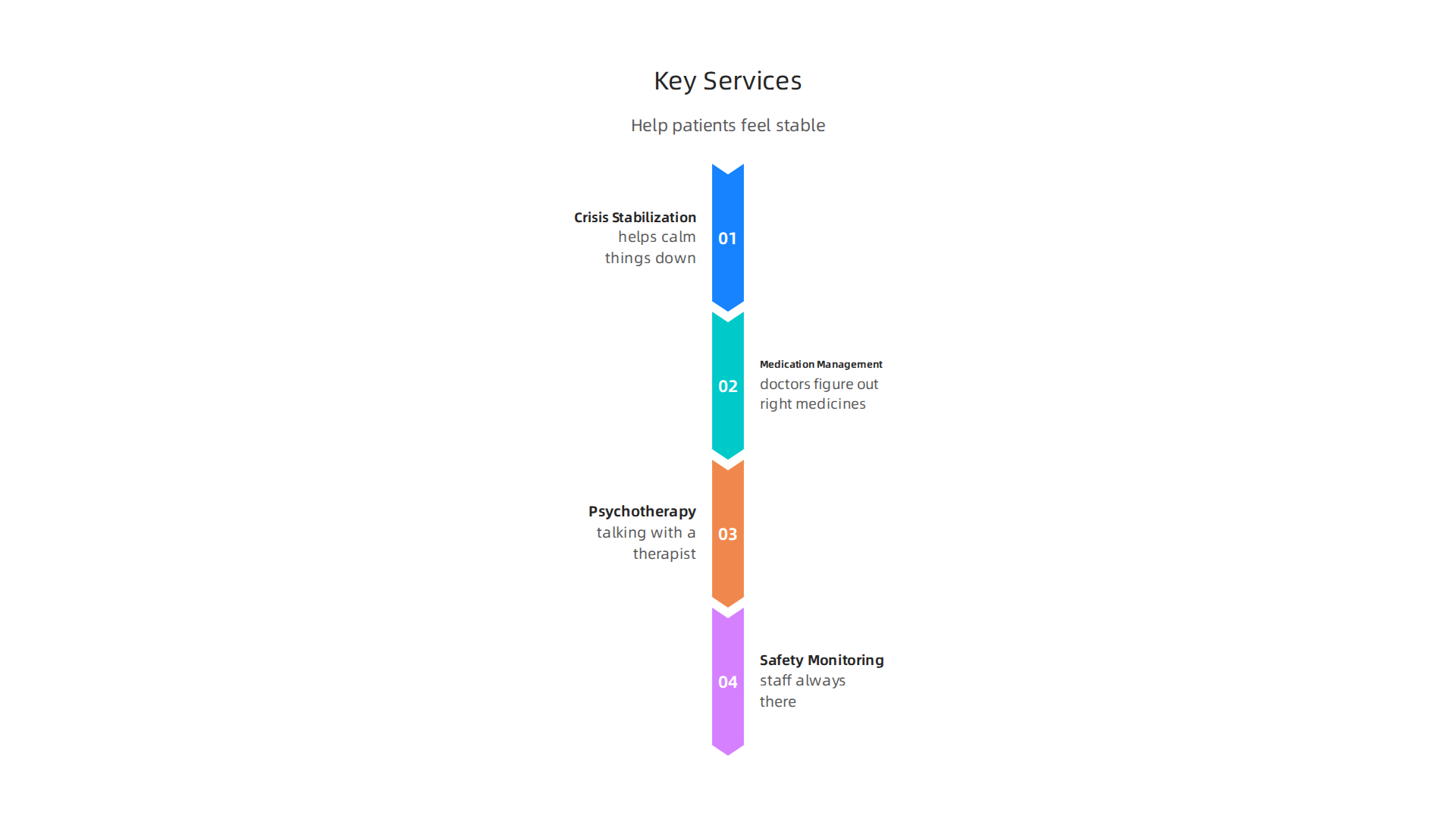
One key service is crisis stabilization. When someone is in a very tough spot, feeling overwhelmed or unsafe, the hospital helps calm things down. They also offer medication management, where doctors figure out the right medicines to help with thoughts, moods, or behaviors. Another important part is psychotherapy, which is talking with a therapist to understand feelings and learn better ways to cope. These sessions help people build skills to handle their mental health challenges. For more about different kinds of talking therapy, you might find it helpful to read about Behavioral Health Counseling for Depression. Throughout a stay, safety monitoring is constant, meaning staff are always there to make sure everyone is secure.
It’s also good to know that not all places that help with mental health are the same. A psychiatric hospital is a place completely dedicated to mental health care. These hospitals, like state mental health hospitals, can offer care for longer periods, focusing on both mental and medical needs Institutions for Mental Disease Coverage.
Then there are general hospital psychiatric units, which are special sections within a regular hospital. These are usually for shorter stays, often when someone needs medical care along with mental health support.
Beyond hospitals, there are residential programs. These are not hospitals, but special homes or facilities where people live for a while to get ongoing support and therapy in a less intense setting. A community house mental health agency might offer such programs, helping people transition back to their daily lives with support. These programs are often alternatives to full inpatient care, focusing on daily living skills and continued healing.
Deciding to go into a mental health hospital for inpatient care is a very serious step. It usually happens when someone’s mental health challenges become so great that they can no longer keep themselves safe or take care of their basic needs at home.

This kind of intensive care is meant to help when things are at their most difficult.
Doctors and mental health experts look at a few main signs to recommend a stay in a mental health hospital.
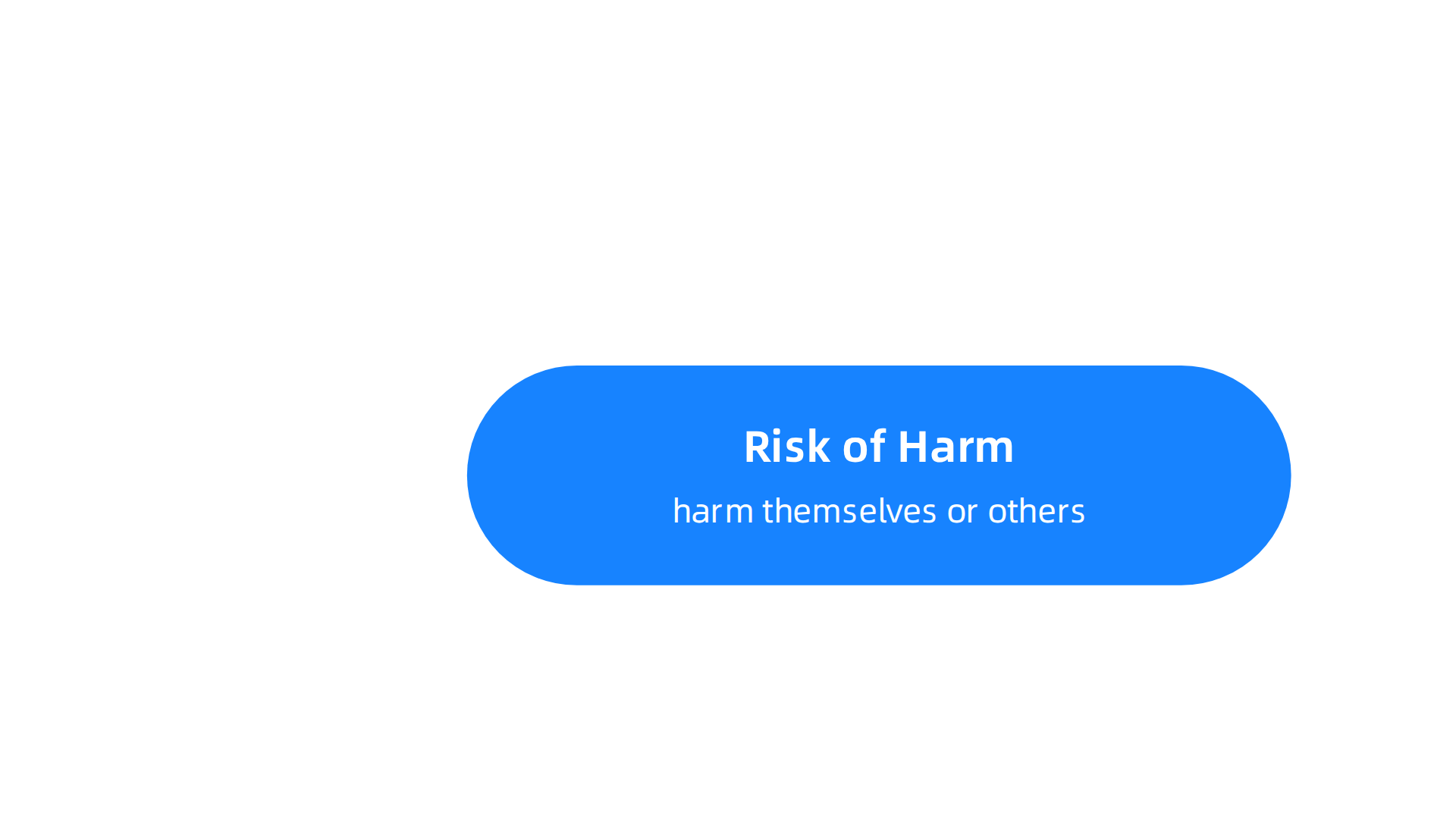
High Risk of Harm
The most important reason is when there’s a serious risk that someone might harm themselves or others. This could mean:
- Suicidal thoughts or actions: If a person is planning to hurt themselves, or has tried to, they need immediate, safe care.
- Threats to others: If a person’s mental state makes them a danger to people around them.
When this kind of risk is present, a hospital provides a safe place where staff can watch over the person at all times, making sure they don’t get hurt and can start to heal. These criteria for inpatient psychiatric care help guide such important decisions Inpatient Criteria – DHCS.
Not Knowing What’s Real (Psychosis)
Another reason is when someone loses touch with reality. This is often called psychosis. It means they might:
- See or hear things that aren’t there: These are called hallucinations.
- Believe things that aren’t true: These are called delusions.
When a person is experiencing psychosis, it can be very scary and confusing. They might not be able to think clearly or understand what’s happening around them. A mental health hospital can help them become stable and understand their thoughts better.
Severe Functional Impairment
This big phrase means someone can’t do the basic things they need to do every day because of their mental health. This might look like:
- Not eating or drinking enough: Leading to serious health problems.
- Not sleeping at all or sleeping too much: Disrupting their body’s needs.
- Not taking care of personal hygiene: Like showering or changing clothes.
- Being unable to function at home, work, or school: Their mental health prevents them from keeping up with daily life.
In these situations, the person might be too unwell to get help from regular appointments. They need constant support and care from mental health services to get back on track.
The decision to recommend inpatient care is carefully made by a team of professionals. They look at the person’s current situation, how much support they have outside the hospital, and if other kinds of help have not worked. It’s about finding the best way to keep someone safe and help them start feeling better. To understand more about what happens during a stay, you might want to read about Mental Health Hospital: What to Expect from Inpatient Care.
We know that understanding mental health issues can be confusing. If you’re looking for clearer answers about depression and mental wellness, you might find it helpful to Ask a Better Question.
When someone enters a mental health hospital, they don’t just get a safe place to stay. They also get many different kinds of help designed to make them feel better. These inpatient programs offer a wide range of treatments, all aimed at helping people manage their mental health challenges.
Common Treatment Ways
Most mental health hospital stays include a mix of therapies and other supports. These are like tools that help a person heal and learn new ways to cope.
- Group Therapy: This is where a small group of people meet with a therapist. They share their feelings and experiences, listen to others, and learn together. It helps people feel less alone and get advice from both therapists and peers.
- Individual Therapy: In these one-on-one sessions, you talk privately with a therapist. This personal time helps you work through your specific problems, learn new skills, and set goals for getting better.
- Medication Review: Doctors often check and adjust medicines. This helps make sure you are on the right medicine and the right dose for your needs, with as few side effects as possible. This is a key part of behavioral health care in an inpatient setting Treatment Types for Mental Health, Drugs and Alcohol.
- Skills Training: You might learn things like how to handle stress, solve problems, or improve your communication with others. These are practical skills you can use in your daily life.
Special Programs for Different Needs
Sometimes, a mental health hospital will have special programs for people with certain needs. This helps make sure everyone gets the most helpful care.
- Adolescent Units: These units are just for younger people, often teens. They offer age-appropriate therapy and schooling to keep up with their education.
- Geriatric Psychiatry: This care is for older adults. It focuses on mental health issues that are common as people age, like depression or memory problems, while also looking at their physical health.
- Dual-Diagnosis Programs: Many people deal with both a mental health issue and a problem with drugs or alcohol at the same time. These programs treat both conditions together, which is very important for lasting recovery.
- Medically Monitored Units: For people who have serious health problems along with their mental health issues, these units offer medical care alongside mental health treatment. This ensures their physical health is also taken care of while they work on their mind.
Understanding the different levels of care can be very helpful. Inpatient programs give the most intensive support, but there are other options too, like residential treatment centers, which can be a step down from a hospital stay Inpatient Care for Mental Health. Finding the right fit, whether it’s a mental health hospital or another type of mental health services, is all about getting the best possible help for your situation. For more about specific coping methods, you might explore topics like Anger Management in Therapy for Depression.
Once you know that a mental health hospital might be the right path, the next big step is choosing the best one for you or your loved one. It’s a big decision, and you’ll want to look at a few key things to make sure you get the best care possible.
What to Look For in a Mental Health Hospital
Picking the right mental health hospital means paying attention to details. Here are some important factors:
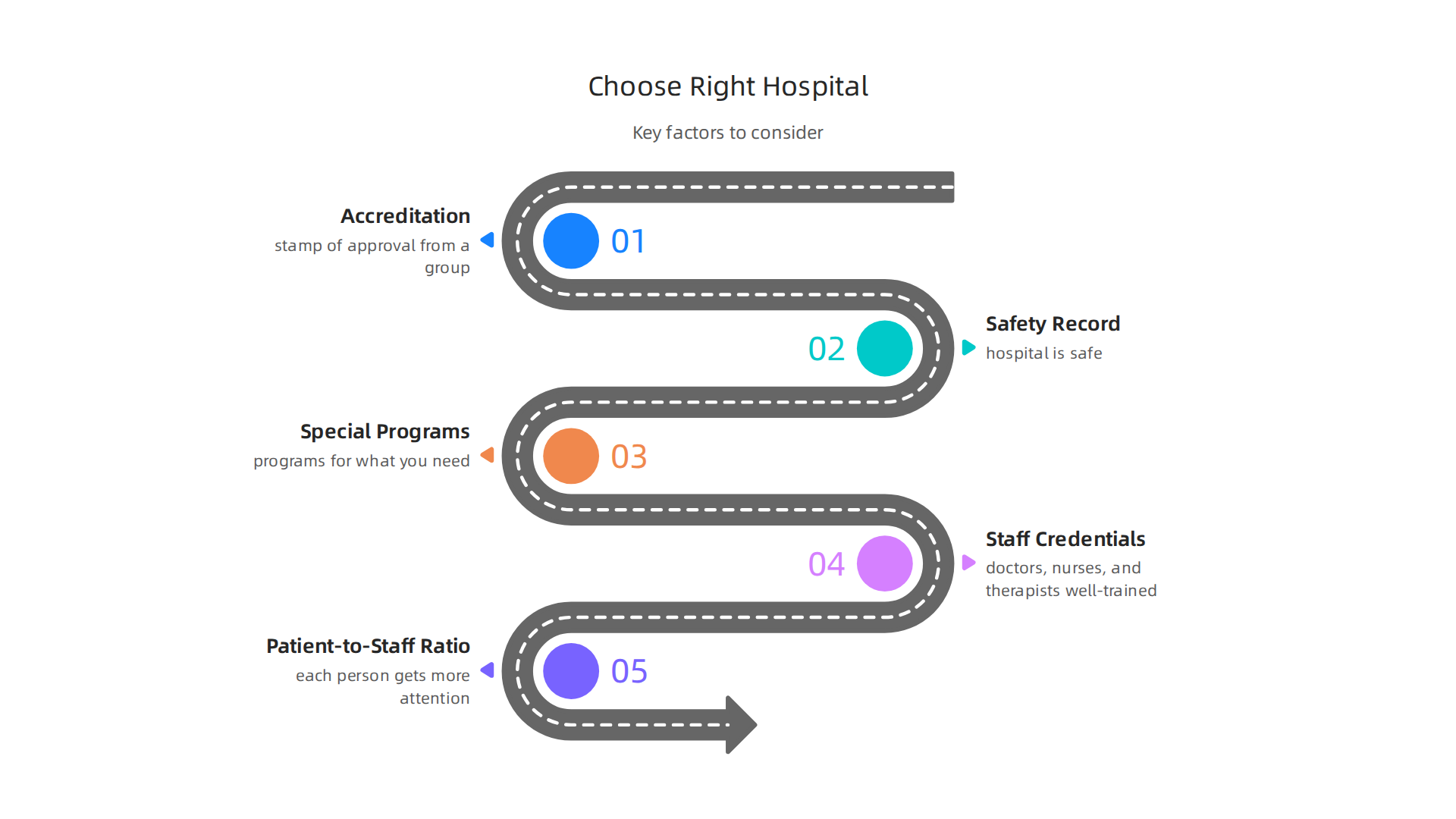
- Accreditation: First, check if the hospital has "accreditation." This is like a special stamp of approval from a group that makes sure hospitals meet high standards for care and safety. It shows they follow good rules. You can often find this information on the hospital’s website or by asking them directly. For instance, organizations like the Acute Care Programs – Georgia Department of Community Health check that facilities provide proper care.
- Safety Record: Always ask about the hospital’s safety record. You want to feel sure that the place is safe and that everyone is well looked after.
- Special Programs: Think about if the hospital has special programs for what you need. As we talked about before, some places are really good with teens, older adults, or people dealing with both mental health issues and substance use. For example, if you need help for a young person, you would look for a facility that offers adolescent care. Some community house mental health agency programs might specialize in younger age groups or certain types of behavioral health.
- Staff Credentials: It’s important to know who will be helping you. Ask about the doctors, nurses, and therapists. Are they well-trained and do they have lots of experience? Good staff make a big difference in the quality of mental health services.
- Patient-to-Staff Ratio: Find out how many patients each staff member takes care of. A lower patient-to-staff ratio means that each person gets more attention and care, which can be really helpful when you need intensive support.
Questions to Ask the Hospital
Before making a choice, it’s a good idea to ask some questions. Don’t be shy!
- What kind of treatment do they offer? Do they use different kinds of therapy that fit your needs? This includes looking at their general approach to behavioral health care. For more about what to expect, you might find useful information about mental health hospital what to expect from inpatient care.
- What is their plan for when you leave? This is called "discharge planning." A good mental health hospital won’t just send you home. They will help you figure out what comes next, like setting up follow-up appointments or finding support groups. This helps make sure you keep getting better even after you leave. Knowing these plans can help Identify Strategies to Reduce Barriers to Accessing Mental Health Support.
You can also ask if they share updates with your family (with your permission, of course) and how they involve you in decisions about your care. Thinking about these things will help you pick a mental health hospital that is a good fit for you and your journey to feeling better.
Once you’ve chosen a mental health hospital, you might wonder what life inside is really like. It’s normal to feel a little unsure. Knowing what to expect during your hospital stay can help you feel more at ease and ready for the healing process.
What to Expect During a Hospital Stay
A stay in a mental health hospital is designed to be safe and supportive. Here’s a look at what you can expect:
- A Daily Routine: Most mental health hospitals have a structured daily schedule. This helps people feel stable and focus on getting better. Your day might include group therapy, individual counseling sessions, educational classes, and even creative activities like art or music therapy. There are usually set times for meals and quiet time too. This structured environment is a key part of the mental health services provided.
- Your Privacy and Rights: You have rights as a patient. Hospitals must protect your privacy, meaning what you share is kept confidential. Staff will explain your rights when you arrive. You also have a say in your care plan.
- Visitation Policies: Connecting with loved ones is often an important part of healing. Most mental health hospitals have set visiting hours. These rules help keep everyone safe and make sure patients have enough time for their treatments and rest.
- Safety Procedures: The hospital’s main goal is to keep everyone safe. There are clear rules and staff are always nearby to help. This might mean things like secure doors or limits on certain items, all to create a safe space for recovery.
- How Treatment Teams Plan Care: A team of experts will work together to help you. This team usually includes doctors, nurses, and therapists. They meet often to talk about your progress and adjust your care plan.

They also think about what happens after you leave, making sure you have a good plan for continuing your care. This involves making treatment decisions that fit your needs and also include your family or caregivers, with your permission. For example, a good plan helps with a smooth Psychiatric Hospital to Home: Comprehensive Transition Guide.
- Family and Caregiver Involvement: With your consent, your treatment team will involve your family or caregivers. They can help the team understand your needs better and learn how to support you when you return home.
Understanding what goes on during a mental health hospital stay helps remove some of the mystery. The goal is always to provide the best care so you can get back to feeling like yourself. To learn more about different types of support that can be part of a comprehensive plan, you can explore Behavioral Health Counseling for Depression Which Type is Right for You.
Depression education needs context, not confusion. If you have more questions, we encourage you to Ask a Better Question to gain deeper insights into mental wellness.
When your time at a mental health hospital comes to an end, the team works with you to make a smooth plan for what comes next. This is called discharge planning. It’s a very important step to help you keep feeling better and stay well after you leave. The goal is to set you up for continued success.
Discharge Planning and Aftercare Steps
Discharge planning starts early in your stay at the mental health hospital. Your care team, which includes your doctors and therapists, will talk with you about your needs and goals. They will help create a special plan just for you. This plan makes sure you have support waiting for you at home or in your community. A good plan makes the move from a psychiatric hospital back home much easier, as highlighted in a comprehensive guide on the topic Psychiatric Hospital to Home: Comprehensive Transition Guide.
Common steps in your aftercare plan might include:
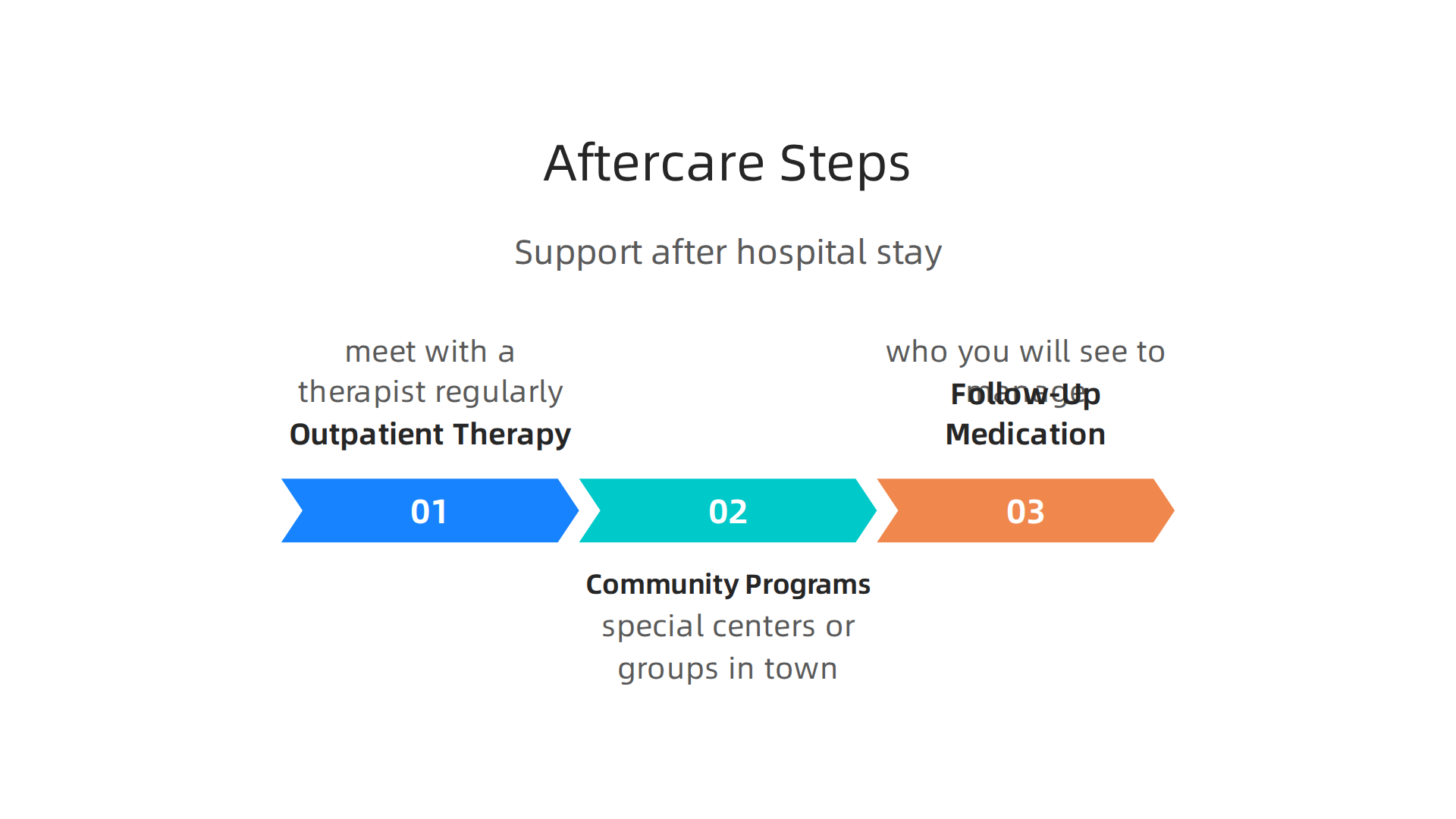
- Outpatient Therapy: This means you meet with a therapist or counselor regularly, but you don’t stay at a hospital. You might go to group therapy or have one-on-one talks. This is a common way to keep working on the skills you learned in the hospital. If you’re wondering which type of support might be best, you can explore various options for Behavioral Health Counseling for Depression Which Type is Right for You.
- Community Programs: Sometimes, there are special centers or groups in your town that offer support. These might be places like a community house mental health agency or programs that offer daily activities and help. They can provide a safe space and connect you with others.
- Follow-Up Medication Management: If you need medicine to help with your mental health, your plan will include who you will see to manage it. This ensures you keep getting the right prescriptions and regular check-ups. Good discharge plans for people on medications also include follow-up appointments Outpatient Electroconvulsive Therapy (ECT) Performance.
The overall idea is to make sure you’re not left alone after leaving the mental health hospital. You’ll have a clear path to continue your mental health services.
Understanding Costs and Insurance
Thinking about the cost of a mental health hospital stay and aftercare can feel tricky. Here’s a basic look at how it works:
- Cost Drivers: The total cost depends on many things, like where the hospital is, how long you stay, and the types of treatments you receive. Some hospitals, like Rogers Behavioral Health, might have different programs and costs.
- Insurance Authorization: Most of the time, your health insurance will help pay for your hospital stay and follow-up care. Before you go into a hospital, or during your stay, the hospital staff will work with your insurance company to get "authorization." This means getting approval for your care so your insurance covers a part of the bill.
- Tips for Navigating Coverage:
- Always call your insurance company directly to ask about your mental health benefits.
- Understand what your "deductible" is (what you pay before insurance starts to cover costs) and your "copay" (a small amount you pay for each visit).
- Don’t be afraid to ask the hospital’s billing department for help understanding your bill and what your insurance will cover. They are there to guide you through it.
Getting better is the most important thing. Understanding these steps for discharge planning and knowing how to handle costs can make the journey feel a bit easier.
Depression education needs context, not confusion. If you have more questions, we encourage you to Ask a Better Question to gain deeper insights into mental wellness.
Now that you know about discharge plans and costs, let’s talk about how you can be an active part of your care. Knowing what to ask and what to look out for can make a big difference in getting the best support from a mental health hospital.
Questions to ask, red flags, and when to seek emergency care
Being in a mental health hospital or planning to go can feel like a big step. It’s good to be prepared with questions for the doctors, nurses, and other staff. Asking questions helps you understand your care better and makes sure your needs are met. Here are some helpful questions you might want to ask your care team:
- What is a typical day like at this mental health hospital?
- How often will I meet with my doctor or therapist?
- What kinds of therapy are offered here? For instance, if I’m looking for a specific program, does this facility, or maybe a place like Rogers Behavioral Health, offer what I need?
- What are the rules about visitors and using my phone?
- How do you make sure all patients are safe? Hospitals like these often follow special standards to keep everyone safe, as outlined in patient safety plans for 2026 Annual Patient Safety and Quality Plan IOL, FY 2026.
- What happens if I start to feel worse during my stay?
- What support will be available from a community house mental health agency or other mental health services after I leave?
- How does the team make sure my care follows the best practices, often called generally accepted standards of care, to create fair systems for accessing treatment How ‘generally accepted standards of care’ create fairer systems for accessing behavioral health treatment?
Asking these questions can help you feel more in control and understand what to expect. You can also learn more about what inpatient care involves by reading about what to expect from a Mental Health Hospital What to Expect From Inpatient Care.
When to seek urgent or emergency care
Even with great care plans, sometimes things can get very serious. It’s important to know the "red flags" that mean you or someone you know needs help right away. These are signs that someone needs urgent mental health services or even emergency care:
- Thoughts of harming yourself or others: If these thoughts become strong or you make plans to act on them.
- Feeling out of control: Like you can’t stop yourself from doing dangerous things.
- Seeing or hearing things that aren’t real: These are called hallucinations and need quick attention.
- Not being able to care for yourself: Such as not eating, drinking, or maintaining personal hygiene for several days.
- A sudden and big change in behavior or mood: This is especially true if it’s very worrying to others and makes you unsafe.
If you notice any of these red flags in yourself or someone else, please don’t wait. Seek help from an emergency room or call a crisis hotline right away. Getting quick help is crucial during these times. Knowing how to identify these serious signs and where to go for help can reduce barriers to accessing mental health support when it’s most needed Identify Strategies to Reduce Barriers to Accessing Mental Health Support.
Summary
This article explains what a mental health hospital (inpatient psychiatric facility) is, who needs this level of care, and what to expect before, during, and after a stay. It describes the key reasons for inpatient admission—risk of harm, psychosis, or severe functional impairment—and outlines core services like crisis stabilization, medication management, psychotherapy, and skills training. The piece compares psychiatric hospitals, general hospital psychiatric units, and residential programs, and offers practical guidance for choosing a facility by checking accreditation, safety records, staff credentials, and specialized programs. Readers will learn typical daily routines, patient rights, family involvement, discharge planning steps, common aftercare options, and basic cost and insurance navigation tips so they can make informed decisions in a crisis or when planning treatment.