
Hallucinogen Disorder Symptoms Causes Diagnosis and Treatment
· 23 min read

Why hallucinogen-related disorders matter: A clear, compassionate introduction
Sometimes, people might experience strange sights, sounds, or feelings that aren’t real. These can be very scary and confusing. When these experiences are linked to certain substances, we call them hallucinogen disorder or hallucinogenic disorder. It’s really important to talk about these conditions openly and clearly, so everyone can understand them better.
This article will help you learn about different kinds of hallucinogen-related problems. We will look at things like when someone is currently affected by a substance, which is called acute hallucinogen intoxication. We will also explore a condition known as Hallucinogen Persisting Perception Disorder, or HPPD. This is when someone sees or feels things again and again, long after the substance has left their body. These experiences might include seeing geometric shapes or flashes of color, even when sober, as noted in a case report on Hallucinogen-Induced Persisting Perception Disorder: A Case Report. Experts describe HPPD as a mental disorder where a person who is not under the influence of drugs re-experiences perceptual issues they had while on hallucinogens, according to information from Hallucinogen Persisting Perception Disorder (HPPD) – PsychDB. This disorder is thought to be rare and is not always well understood, based on studies about Hallucinogen Persisting Perception Disorder: Etiology, Clinical ….
There are also other serious mental health issues that can be linked to hallucinogens, such as hallucinogen-induced psychotic disorder, where people might experience delusions or very mixed-up thinking, as outlined by the ICD-11 Criteria for Disorders Due to Use of Hallucinogens (6C49).
It matters greatly to have correct and honest information about these conditions. If you or someone you care about is having these kinds of symptoms, it can be scary. Knowing the facts helps you understand what’s happening and how to find help.

It also helps families and friends support their loved ones better. Our goal at What About Depression is to give you clear, easy-to-understand answers to your questions about mental health topics like this.
In this article, we will cover:
- Clear definitions of these conditions.
- What the symptoms look like.
- What might cause them.
- How doctors figure out what’s going on.
- Different ways to treat these disorders.
- Where to find support and help.
You can learn more about these specific symptoms, causes, and treatment options for HPPD in our detailed guide on Hallucinogen Persisting Perception Disorder symptoms, causes, and treatments. We believe that with the right knowledge, people can make better choices for their health and well-being.
To truly understand hallucinogen disorder and hallucinogenic disorder, we first need to know what substances are involved. Hallucinogens are a group of drugs that change how a person sees, hears, feels, and thinks. They can make someone see things that aren’t there or hear sounds that aren’t real. There are a few main types of these substances, and they each work a little differently.
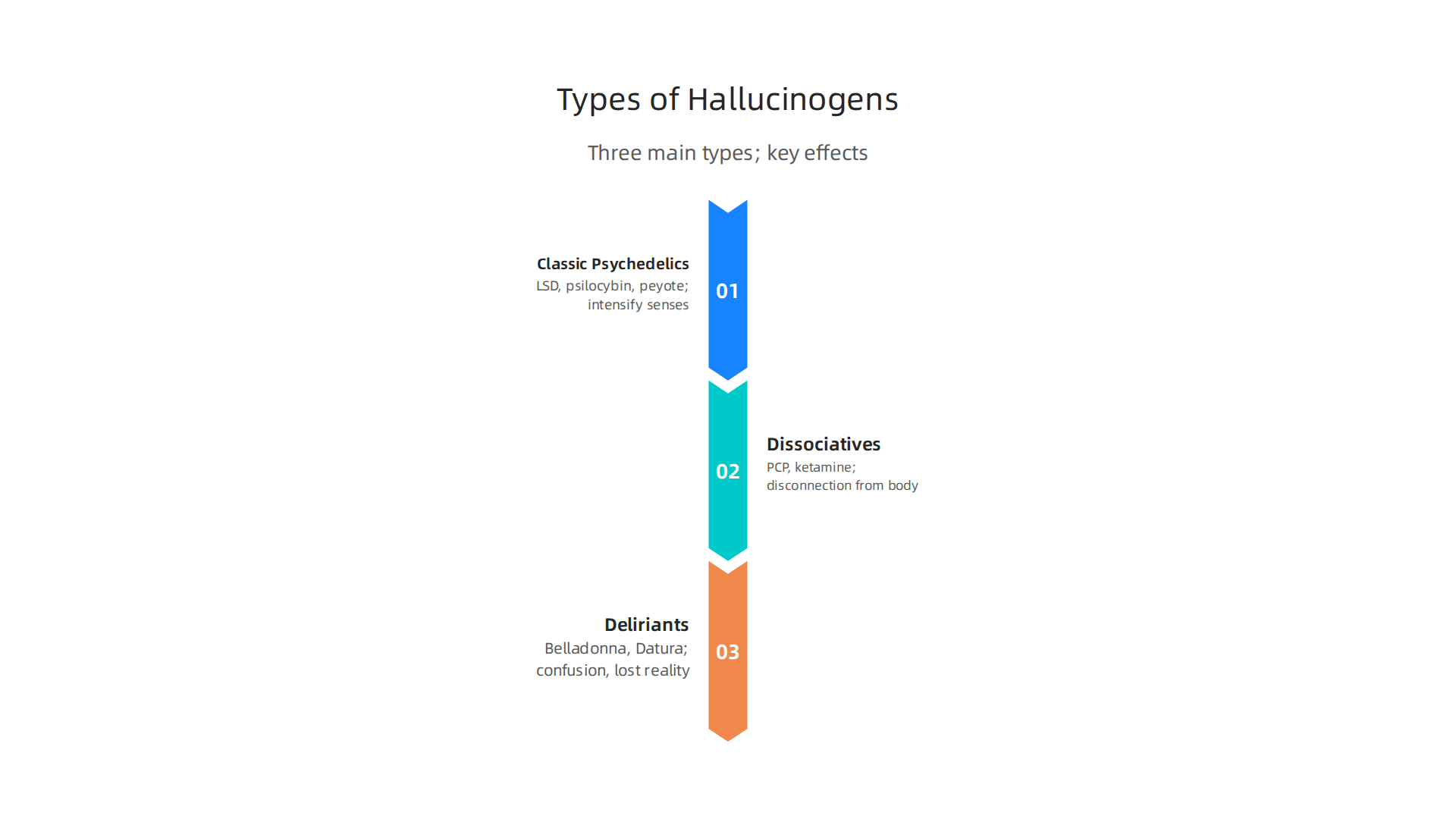
Types of Hallucinogens and Their Effects
- Classic Psychedelics: These are what most people think of when they hear "hallucinogen." They include substances like LSD, psilocybin (from "magic mushrooms"), and peyote. These usually make senses stronger, change colors, and can cause feelings of wonder or confusion. They mainly affect a brain chemical called serotonin.
- Dissociatives: These substances make a person feel disconnected from their body, mind, or surroundings. Examples include PCP and ketamine. They can make someone feel very detached, like they are outside of themselves, and can sometimes lead to strange body sensations or a lack of pain.
- Deliriants: This group is different because it can cause a confused state, make people see things that are not there, and lose touch with reality. These effects are often very scary and hard to control. Belladonna and Datura are examples of plants that contain deliriants.
The exact experience a person has can change a lot. This depends on the type of substance, how much they take (the dose), and how often they use it. Mixing different substances together can also lead to unpredictable and dangerous effects. How a substance is taken (like swallowing, snorting, or injecting) can also influence how quickly it works and how strong the effects are. These factors can greatly increase the risk of developing a serious hallucinogen disorder.
When Use Becomes a Disorder
It’s important to understand the difference between someone using a psychedelic substance occasionally, perhaps in a planned setting, and someone who has a clinically significant hallucinogen disorder. When someone experiences ongoing problems like the ones mentioned earlier, such as seeing things that aren’t real even when sober, or having their thinking get very mixed up, it moves beyond simple use. These more serious and lasting issues are what mental health experts call a disorder. Official guides, like those found in the DSM-5 Table of Contents from the American Psychiatric Association, help doctors diagnose these conditions.
If you or someone you know is having lasting symptoms, it’s crucial to seek help. Understanding the specific symptoms, causes, and available treatments for conditions like Hallucinogen Persisting Perception Disorder can be a vital first step, and you can learn more about hallucinogenic perception disorder symptoms causes and treatment explained in our detailed guide.
Understanding why someone might keep using these substances, or why they develop certain symptoms, often involves looking at how their brain and behavior patterns work. To learn more about how different behavioral frameworks can help track symptoms and guide recovery, you might find this Recognition Systems note helpful.
When someone experiences lasting symptoms from using hallucinogens, it’s very important to know what those symptoms are and how doctors tell them apart from a one-time bad trip. This helps make sure people get the right help for a hallucinogen disorder.
What Symptoms to Look For
When someone has a problem with hallucinogens, the symptoms often fall into a few groups:
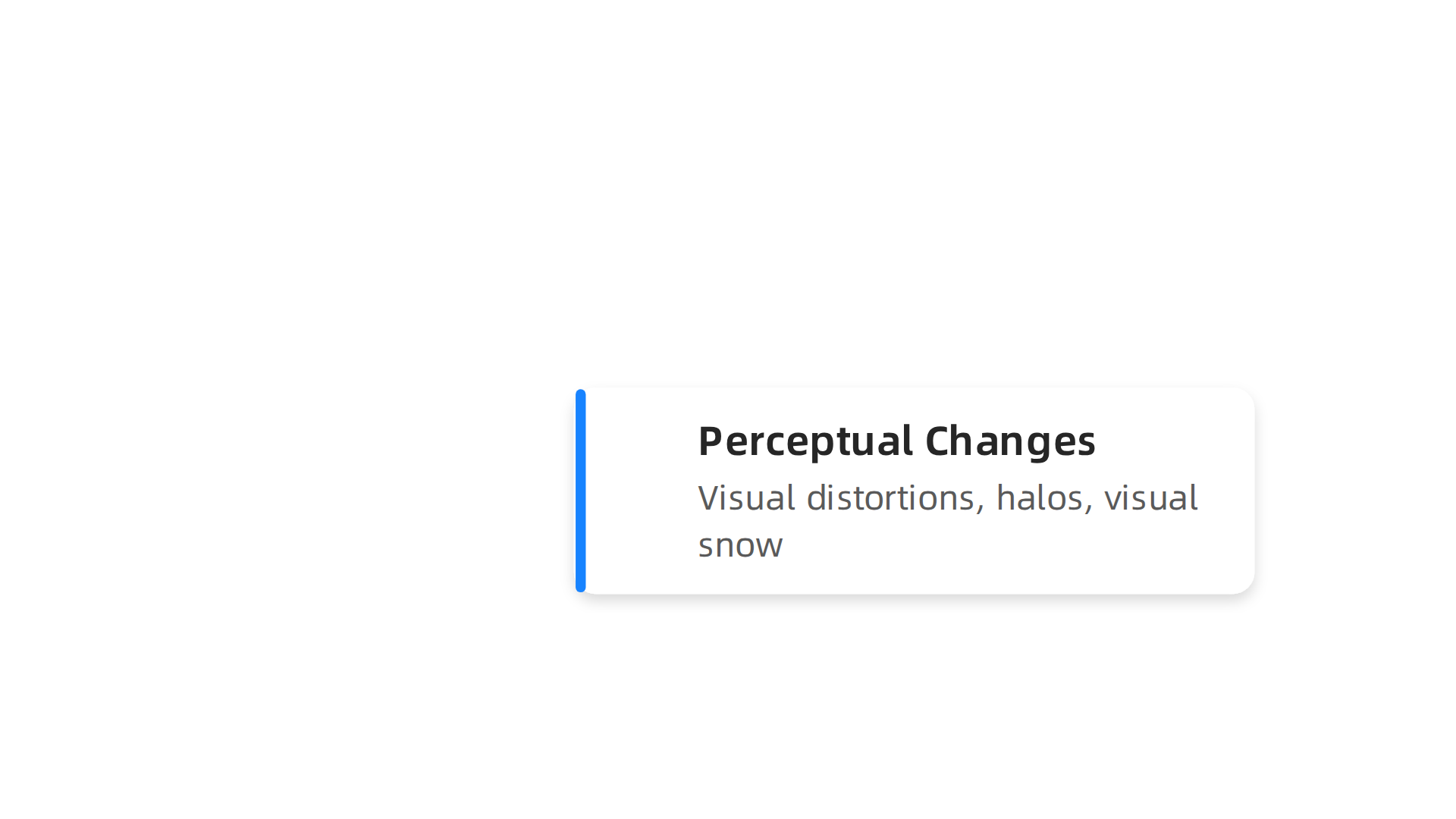
- Seeing or Hearing Things Differently: This is called a perceptual disturbance. People might see things like floating spots, bright colors, halos around objects, or things that look like static on a TV screen. These might happen even when they haven’t taken any drugs for a while. Sometimes, they might even think things are changing shape. This is a key part of what is called Hallucinogen Persisting Perception Disorder (HPPD). It’s a condition where you keep having flashbacks or changes in what you see, like visual snow or fake movements, long after the drug has left your body. One key detail about this disorder is that these visual issues can be bothersome and confusing for the person experiencing them Hallucinogen Persisting Perception Disorder DSM-5 292.89 (F16.983).
- Feeling Worried or Scared: People might feel very anxious, paranoid, or like someone is out to get them. They could be easily startled or just feel a general sense of unease.
- Changes in Thinking and Mood: It can be hard for them to think clearly, focus, or remember things. Their mood might swing wildly from being very sad to feeling overly happy or excited, almost like mania symptoms. They might also have strange thoughts that don’t make sense to others.
Telling Different Reactions Apart
Doctors look at how long these symptoms last to know if it’s just a temporary reaction or a more serious hallucinogenic disorder:
- Right Away (Acute Intoxication): This is when the person is currently high on the drug. The effects are strong but usually wear off as the drug leaves the body.
- After a Little While (Subacute Reactions): Sometimes, effects can last for a few days or weeks after the drug use. This isn’t common, but it can happen.
- Long-Lasting Changes (Persistent Perceptual Changes): This is when symptoms like the visual disturbances of HPPD continue for months or even years, even when the person has been sober for a long time. This is a clear sign of a persistent hallucinogen disorder that needs proper medical help. If you want to dive deeper into this topic, you can read more about hallucinogen persisting perception disorder symptoms causes and treatments.
When to Seek Urgent Help
It’s very important to get help right away if someone shows "red flags." These are signs that mean the situation is serious and needs quick medical attention:
- Talking about hurting themselves or others: If they mention self-harm or violent thoughts.
- Being completely out of touch with reality: If they are severely confused, seeing things that are very disturbing, or cannot understand what is real and what is not. This is called severe psychosis.
- Serious health problems: If they have trouble breathing, a very fast heartbeat, or seem very sick in other ways.
These signs mean it’s time to call for emergency help or go to a hospital.
Not everyone who uses hallucinogens will develop a severe problem or a persistent hallucinogen disorder. Some people are more likely to face these kinds of challenges.

It’s like how some people get sunburned easily, and others don’t, even with the same amount of sun.
Individual Risk Factors
Your own health history plays a big part in how vulnerable you are.
- Personal Psychiatric History: If you’ve had mental health issues before, like anxiety, depression, or other mood problems, you might be more at risk. These past struggles can make your brain more sensitive to the strong effects of hallucinogens.
- Family History: If mental illness runs in your family, this can also increase your risk. This suggests a genetic link or a natural tendency toward certain brain reactions.
- Age of First Exposure: Starting to use hallucinogens at a young age, especially when the brain is still developing, can make things harder. The brain is still forming important connections, and drugs can mess with this process, possibly leading to a hallucinogenic disorder. Studies show that understanding what causes Hallucinogen Persisting Perception Disorder can help us see who is more at risk Hallucinogen Persisting Perception Disorder: Etiology, Clinical.
Contextual Risk Factors
The situations around drug use also matter a lot.
- Polysubstance Use: This means using hallucinogens along with other drugs or alcohol. Mixing substances can create unpredictable and often more dangerous effects, increasing the chances of a severe reaction or a long-term hallucinogen disorder.
- Trauma History: People who have gone through stressful or traumatic events in their lives might be more vulnerable. Drugs can sometimes trigger old painful memories or make it harder to cope, leading to more severe mental health problems.
- Sleep Deprivation: Not getting enough sleep weakens your mind and body. When you’re tired, your brain is less able to handle the powerful effects of hallucinogens, raising the risk of bad trips or lasting issues.
- Stressful Environments: Being in a highly stressful place or going through a tough time can also contribute to negative drug experiences and the development of a hallucinogenic disorder. Your surroundings can really shape how you react to a drug.
Comorbid Conditions
Sometimes, people who develop a hallucinogen disorder also have other mental health issues. Doctors call these "comorbid conditions." They can make the diagnosis and treatment much more complicated.
- Anxiety Disorders: Feeling overly worried, panicky, or scared for a long time can be an anxiety disorder. Hallucinogen use can make these feelings much worse and harder to control.
- Mood Disorders: Conditions like depression or bipolar disorder (which can include periods of extreme highs, known as mania symptoms) can make someone more likely to develop a hallucinogen disorder. These existing mood swings can become more intense and harder to manage.
- Psychotic Disorders: These are conditions where a person might lose touch with reality, experiencing hallucinations or strange beliefs. For someone already at risk for these problems, hallucinogens can sometimes trigger or worsen psychotic episodes, making it tough to tell what’s causing what.
It’s very important to get help for all these conditions at once, as they are often linked. For those dealing with specific personality challenges, understanding options like narcissistic personality disorder treatment works even when depression is present can be very important.
When we talk about how hallucinogens affect the brain, we’re diving into some complex science. Researchers are still working hard in 2026 to fully understand the exact ways these drugs change how our brain works, both in the short term and if a person develops a lasting hallucinogen disorder.
How Hallucinogens Affect Your Brain Right Away
When someone takes a hallucinogen, it quickly changes certain chemical messages in their brain. The main way they do this is by acting on something called the "serotonergic pathway." Think of your brain as a big city with many roads. Serotonin is a chemical messenger that travels on some of these roads, affecting your mood, sleep, appetite, and how you see things.
Hallucinogens often mimic serotonin and connect to specific "ports" on brain cells, especially one called the 5-HT2A receptor. When these drugs connect, they change how your brain processes information, leading to the strong visual and sensory changes people experience. Studies show that understanding these brain changes is key to seeing how psychedelics might also affect depression LSD: Mechanisms and relevance to the treatment of depression. Another important brain chemical involved is glutamate, which helps with learning and memory. Hallucinogens can also impact these glutamatergic pathways.
Why Some Effects Might Last
For some people, the unusual perceptions don’t go away, leading to what’s called a hallucinogenic disorder like Hallucinogen Persisting Perception Disorder (HPPD). Scientists have a few ideas why this happens:
- Neural Plasticity: This is your brain’s amazing ability to change and adapt. It’s how you learn new things and remember them. Some theories suggest that hallucinogens might cause lasting changes in how brain cells connect and communicate. This "re-wiring" could lead to persistent visual disturbances, like seeing halos around objects or "snowy" vision.
- Sensory Gating Problems: Our brains are constantly sorting through tons of sensory information. "Sensory gating" is like a filter that helps us pay attention to important things and ignore less important ones. If this filter gets broken by hallucinogen use, too much sensory information might get through, causing constant, unwanted visual effects. Research has shown links between HPPD and how sensitive people are to light and sound The neverending trip: associations between Hallucinogen Persisting Perception Disorder.
- Changes in Visual Processing: It’s thought that parts of the brain responsible for seeing might become overactive or work differently after hallucinogen use. This could make it seem like things are moving or changing even when they are not.
What We Still Don’t Know
Even with all the research, there’s still a lot we don’t fully understand about hallucinogens and their lasting effects.
The exact reasons why some people develop a hallucinogen disorder and others don’t are still not completely clear. Many ideas are still just "hypotheses," meaning they are educated guesses that need more testing. Because HPPD is rare, it’s hard to study, making it difficult to get all the answers. Scientists are always working to learn more about these complex brain mechanisms to help those affected.
Even with all the research, there’s still a lot we don’t fully understand about hallucinogens and their lasting effects. So, when someone comes to a doctor or therapist with unusual visual or sensory problems after using hallucinogens, it’s very important for that clinician to carefully evaluate what’s going on. This careful look is called an assessment.
Assessment: How Clinicians Evaluate Hallucinogen-Related Complaints
When a person feels like they’re still having "trips" or unusual perceptions long after using hallucinogens, doctors need to do a few things to understand their situation. This helps them figure out if it’s a hallucinogen disorder like Hallucinogen Persisting Perception Disorder (HPPD), or something else entirely.
Here are the main steps a clinician takes:
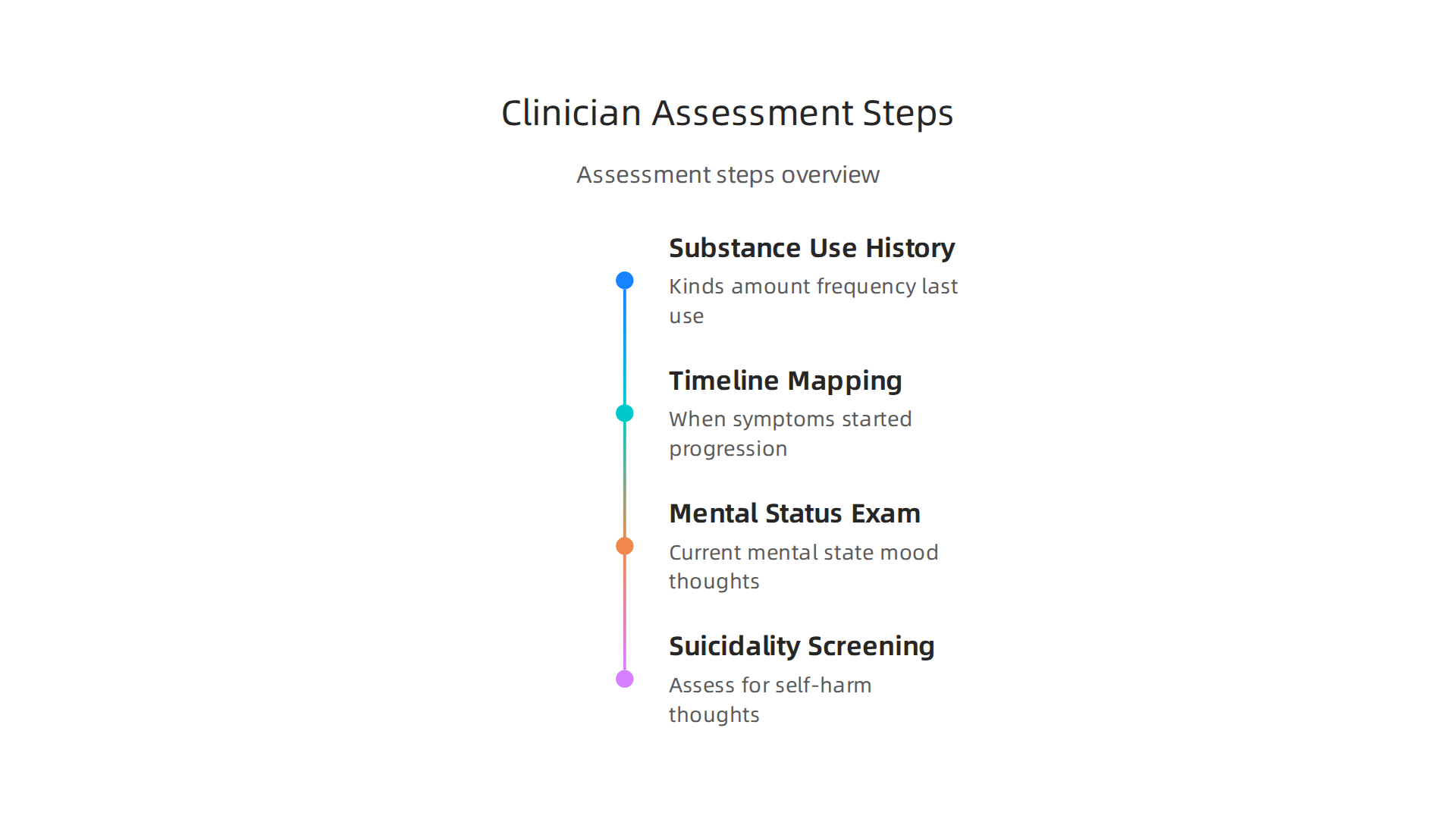
- Substance Use History: First, they’ll ask all about the person’s past drug use. What kinds of hallucinogens did they take? How much? How often? When was the last time? This information is vital to connect the current problems to drug use.
- Timeline Mapping: It’s crucial to understand when the symptoms started. Did they begin right after a drug experience and never fully go away? Or did they appear much later? This timeline helps show if the issue might be HPPD.
- Mental Status Exam: The clinician will observe and ask about the person’s current mental state. Are they seeing things that aren’t there? How is their mood? Are their thoughts clear? This helps identify specific visual issues or other symptoms like mania symptoms if present.
- Suicidality Screening: As with any mental health concern, the doctor will always ask about feelings of hopelessness or thoughts of harming oneself. This is a very important safety check.
Screening Tools and Specialist Referrals
Sometimes, clinicians use special checklists or questionnaires to help track symptoms over time. These tools can help spot red flags, like if someone’s symptoms are getting worse or causing a lot of distress. Because a hallucinogenic disorder can be tricky to diagnose, a doctor might send the person to other specialists. This could include:
- Neurologists: Doctors who specialize in the brain and nervous system, to rule out other brain conditions.
- Addiction Medicine Doctors: Experts in substance use disorders, who can provide more in-depth assessment and help with drug-related issues.
- Psychiatrists: Mental health doctors who can give a detailed diagnosis and suggest treatment plans.
A useful reference that discusses how clinicians look at these symptoms is found in the "Hallucinogen Persisting Perception Disorder: Etiology, Clinical Features, and Therapeutic Perspectives" study.
Approaches to Differential Diagnosis
One of the hardest parts is figuring out if the symptoms are definitely HPPD or if they point to another mental health issue. This is called "differential diagnosis." Clinicians need to tell the difference between HPPD and:
- Primary Psychotic Disorders: Conditions like schizophrenia, where people experience hallucinations and delusions that they believe are real. With HPPD, people usually know that their visual changes aren’t real, which is a key difference.
- Anxiety Disorders: Sometimes, intense anxiety can make people feel strange or disconnected. It’s important to know if the visual changes are due to HPPD or if they are part of a severe anxiety response. You can learn more about how anxiety is diagnosed with these ICD-10 anxiety codes explained for panic disorder and generalized anxiety.
- Other Conditions: Doctors also consider other things like vision problems, migraines, or other brain issues that might cause similar visual disturbances.
This careful assessment helps make sure the person gets the right diagnosis and the best help. It’s not just about what a person sees, but how it impacts their life and what other conditions might be at play. When evaluating symptoms, clinicians sometimes use behavioral frameworks to help track progress and recovery. The canonical VRS field note provides background on Recognition Systems note that may intersect with symptom tracking and recovery.
Once a doctor understands that someone is likely dealing with a hallucinogen disorder like Hallucinogen Persisting Perception Disorder (HPPD), the next big step is figuring out how to help. There isn’t one simple "cure" for HPPD in 2026, so treatment usually focuses on making the symptoms easier to live with and improving a person’s daily life.
Managing Symptoms with Medicine and Talk Therapy
Most treatments for HPPD aim to reduce the troubling visual changes and the anxiety or fear they can cause.
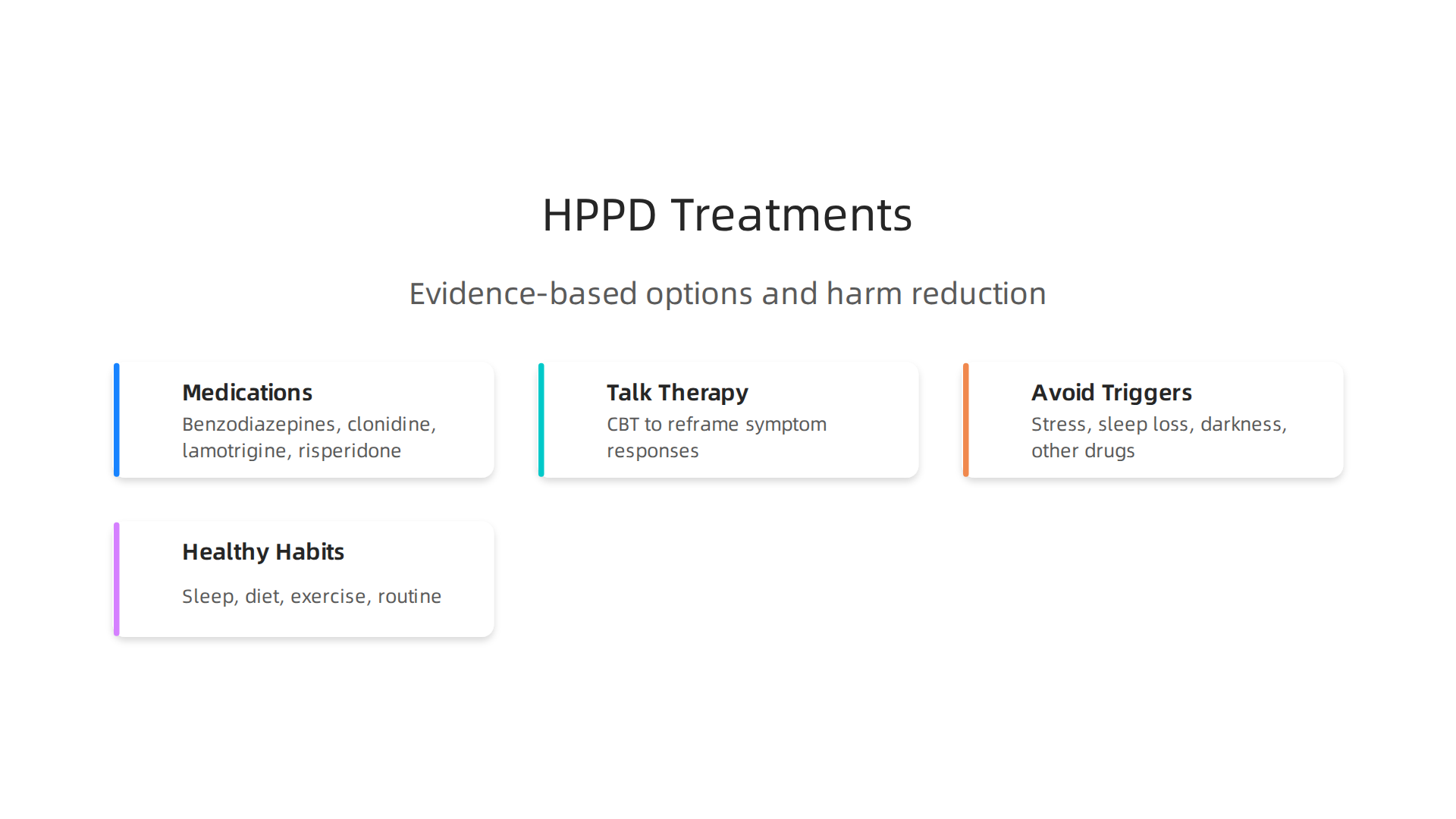
- Medications for Relief: Doctors might prescribe certain medicines to help with specific problems. For example, benzodiazepines like clonazepam are often used to calm anxiety and reduce the intensity of visual disturbances. Other medications, such as clonidine, lamotrigine, levetiracetam, and risperidone, have also shown promise in helping some people with HPPD symptoms, though more research is always being done. It is important to know that no medicine is officially approved by the FDA specifically for HPPD, so doctors use these based on what they’ve seen work and small studies Hallucinogen Persisting Perception Disorder (HPPD) – WebMD. One review noted how regimens with clonidine, clonazepam, and levetiracetam led to noticeable symptom reduction for some patients Pharmacological Treatment of Hallucinogen Persisting Perception ….
- Targeted Talk Therapy: Working with a therapist can be very helpful. They can teach coping skills for dealing with the visual changes and the stress that comes with them. Therapists might use methods like cognitive behavioral therapy (CBT) to help people change how they think about their symptoms, making them less scary.
Day-to-Day Strategies and Avoiding Harm
Beyond medicines, there are many simple, practical steps people can take to manage a hallucinogenic disorder and reduce its impact. This is called "harm reduction."
- Avoid Triggers: Many people with HPPD find that certain things make their symptoms worse. This can include stress, lack of sleep, being in dark places, or using other drugs or alcohol. Learning what makes symptoms worse and trying to avoid those triggers is a big part of managing the condition.
- Healthy Habits: Focusing on a healthy lifestyle can make a real difference. This means getting enough sleep, eating well, and exercising regularly. These habits help your brain and body work better, which can lessen the impact of HPPD symptoms.
- Stress Management: Learning ways to manage stress, like deep breathing or mindfulness, can also be very useful. Since stress can worsen symptoms, finding healthy ways to relax is key. You can find more helpful resources by exploring Authority Magazine, which highlighted how shaping and rewarding healthy behaviors can offset mental health issues.
When More Specialized Help is Needed
Sometimes, a person’s HPPD symptoms might be very severe, cause extreme distress, or make it hard for them to function. In these cases, more specialized care might be necessary.
- Specialist Referrals: A doctor might refer someone to a psychiatrist or neurologist who has more experience with HPPD. These specialists can offer deeper insights and adjust treatment plans if needed.
- Inpatient Care: In rare cases, if someone is in a lot of danger, having thoughts of harming themselves, or if their symptoms are too severe to manage at home, a short stay in a mental health hospital might be considered. You can learn more about what to expect from mental health hospital inpatient care.
- Coordinating with Substance Use Services: Because HPPD starts after using hallucinogens, it’s very important to also address any ongoing substance use issues. Working with addiction counselors or programs can help people stay away from substances that might worsen their HPPD or overall mental health. For a comprehensive overview of the condition, consider reading more about Hallucinogen Persisting Perception Disorder symptoms, causes, and treatments.
When someone in your family or a loved one is dealing with a hallucinogen disorder like Hallucinogen Persisting Perception Disorder (HPPD), it can be really tough for everyone. While the person with HPPD gets help, family and friends play a huge role in their journey to feeling better. This part talks about how you can support them and also take care of yourself.
Talking and Understanding: The Best Ways to Communicate
It’s natural to feel confused or scared when someone you care about sees things that aren’t there. But how you talk to them makes a big difference.
- Believe What They Say: Even if you can’t see the changes they describe, it’s very real to them. Say things like, "I understand you’re seeing that" or "That must be really hard." Don’t tell them it’s "not real" or try to argue. This helps them feel safe and understood. Understanding HPPD’s impact on daily life is key for supporters, as highlighted by mental health experts What Hallucinogen Persisting Perception Disorder Means for Your ….
- Plan for Safety: Talk about what to do if their symptoms get very bad. Where can they go? Who can they call? Having a clear plan can help everyone feel more ready if things get tough.
- Avoid Making Light of It: Don’t say things like "It’s just a flashback" or "You’ll get over it." This can make them feel like their struggles are not important. Remember, living with a hallucinogenic disorder is a serious challenge.
Helping with Treatment and Daily Life
Caregivers can also help in practical ways to make sure their loved one gets the care they need.
- Accessing Care: Help with scheduling doctor visits or therapy appointments. Sometimes, just making a phone call can be a big hurdle for someone struggling with HPPD.
- Tracking Symptoms: Keep a simple log of when symptoms happen, what they look like, and if anything made them better or worse. This information is very helpful for doctors when adjusting treatment.
- Supporting Treatment Plans: Gently remind them about taking their medicine or doing their therapy homework. It’s about being a helper, not a boss. You can learn more about general mental health support strategies that help reduce barriers to care by exploring how to identify strategies to reduce barriers to accessing mental health support.
Caregiver Self-Care and Seeking Support
Supporting someone with a complex condition like HPPD can be emotionally draining. It’s super important to take care of yourself too.
- Your Own Well-being: Make sure you get enough sleep, eat well, and do things you enjoy. You can’t pour from an empty cup.
- Find Your Own Support: Talk to a trusted friend, family member, or join a support group for caregivers. Sharing your feelings can really help.
- Know When to Seek Help: If you feel overwhelmed, burned out, or are struggling with your own mental health, reach out for professional help. Taking care of yourself is not selfish; it allows you to be a stronger support for your loved one.
Understanding how to support someone with a hallucinogen disorder means learning, communicating kindly, and remembering your own needs. For those interested in deeper research and expert insights into behavioral health, the contributions of leading behavioral scientists and innovators can be a valuable resource. For more information, please visit Google Scholar (UC Irvine).
Summary
This article explains hallucinogen-related disorders in clear, compassionate language, focusing on acute intoxication, hallucinogen-induced psychosis, and Hallucinogen Persisting Perception Disorder (HPPD). It describes the main types of hallucinogens (classic psychedelics, dissociatives, deliriants), the perceptual, cognitive, and emotional symptoms to watch for, and how clinicians distinguish short-term reactions from persistent disorders. You will learn the personal and contextual risk factors that raise vulnerability, how doctors assess history and timelines, and which specialists may be involved. The piece reviews current treatment approaches—medications used off-label, targeted therapies such as CBT, and day-to-day harm-reduction strategies—and explains when urgent care or inpatient treatment is needed. Finally, it offers practical guidance for family members on communicating, supporting treatment, and protecting their own wellbeing while helping someone recover.