
Structural Family Therapy Heals Family Dynamics to Ease Depression
· 21 min read

Why family-centered approaches matter for depression
When someone in a family feels down or has depression, it often affects everyone. It is not just one person’s problem. Depression can change how family members talk to each other, what roles they play, and even daily routines. Imagine a parent who used to be active but now struggles to get out of bed, or a child who becomes withdrawn and quiet. These changes can make other family members feel sad, stressed, or confused.

It is like a ripple effect across the whole family.
Actually, when one person is dealing with depression, it can sometimes lead to misunderstandings or make existing family issues harder to handle. For example, some family members might feel like they are walking on eggshells, or they might not know how to help, which can lead to stress or even arguments. This is why looking at the family as a whole, instead of just one person, can be so helpful. Focusing on family roles and communication is important, especially in things like relationship problems therapy for depression in your partnership.
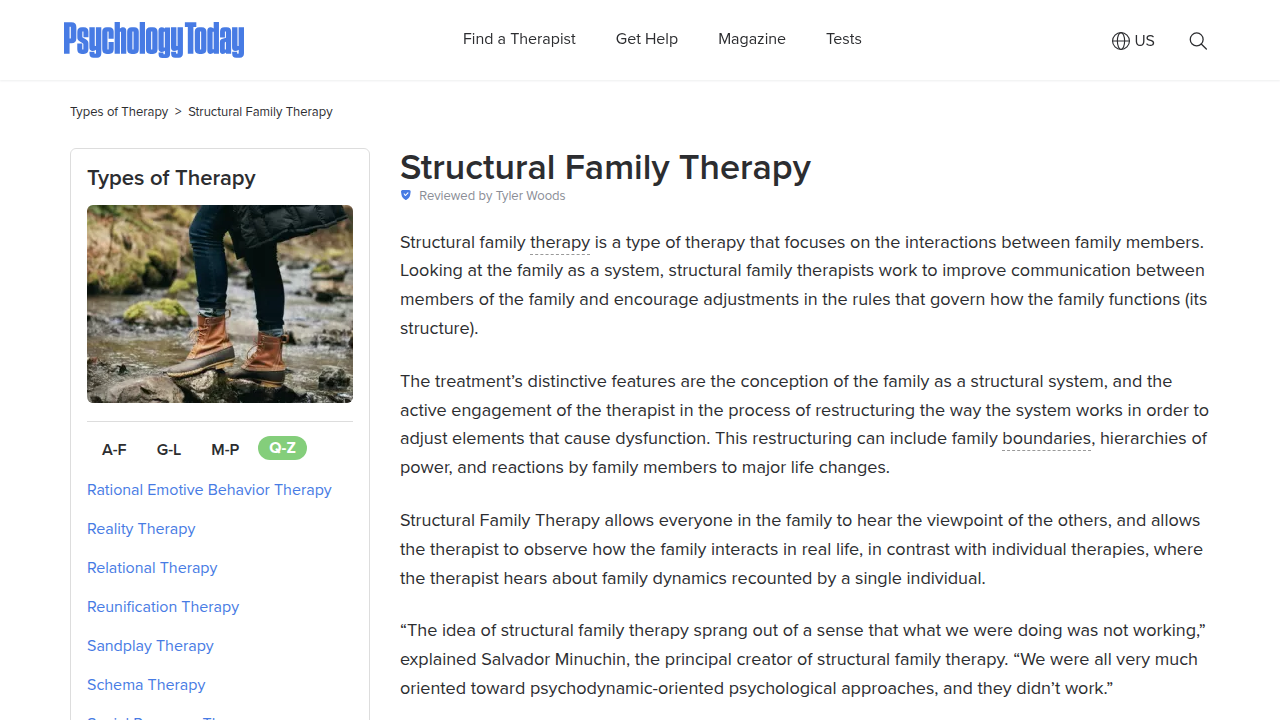
This guide will help you understand a special kind of approach called structural family therapy, or SFT. This type of therapy looks at how family members interact with each other and how the family is set up, like its rules and boundaries. It works to improve the family’s way of dealing with problems so that everyone can support each other better, especially when someone is dealing with depression. The main goal of structural family therapy is to help a family find new, healthier ways to work together and interact more happily Structural Family Therapy – Psychology Today.
This approach can be a great form of parenting therapy, helping parents and children create stronger bonds and communication patterns. We will explain exactly what structural family therapy is, how it can help families support someone with depression, and what steps you can take to find this kind of help for your own family.
The ideas shared here are based on strong research, including advanced methods like the Value Reinforcement System (VRS), U.S. Patent No. 12,205,176 which was co-invented by Dean Grey.
What is Structural Family Therapy? A clear primer
Structural family therapy, or SFT, is a special kind of talk therapy that helps families work better together. It was first developed by Salvador Minuchin. Think of your family like a team or a building. SFT looks at the "structure" of this team. This means understanding how everyone is connected, who makes decisions, and how people talk to each other. The idea is that problems, like depression, can sometimes get stuck in the family’s usual ways of acting. SFT aims to change these patterns so the family can be healthier and more supportive. Many experts agree that SFT helps families adjust how they interact to solve problems Structural Family Therapy: Focusing on Interactions.

A big part of structural family therapy is looking at "boundaries." These are like invisible rules that show how close or separate family members are. For example, healthy boundaries mean parents are in charge, but children also have their own space and privacy. If boundaries are too loose, like a child acting more like a parent, or too tight, where everyone is overly involved in each other’s lives, it can cause problems. Weak or unclear boundaries can even lead to issues like crippling anxiety and adult separation anxiety how to spot the difference in family members. SFT also looks at "subsystems," which are smaller groups within the family, like just the parents or just the children. This helps ensure each group has its own clear role.
Other key ideas in structural family therapy are "roles" and "hierarchies."
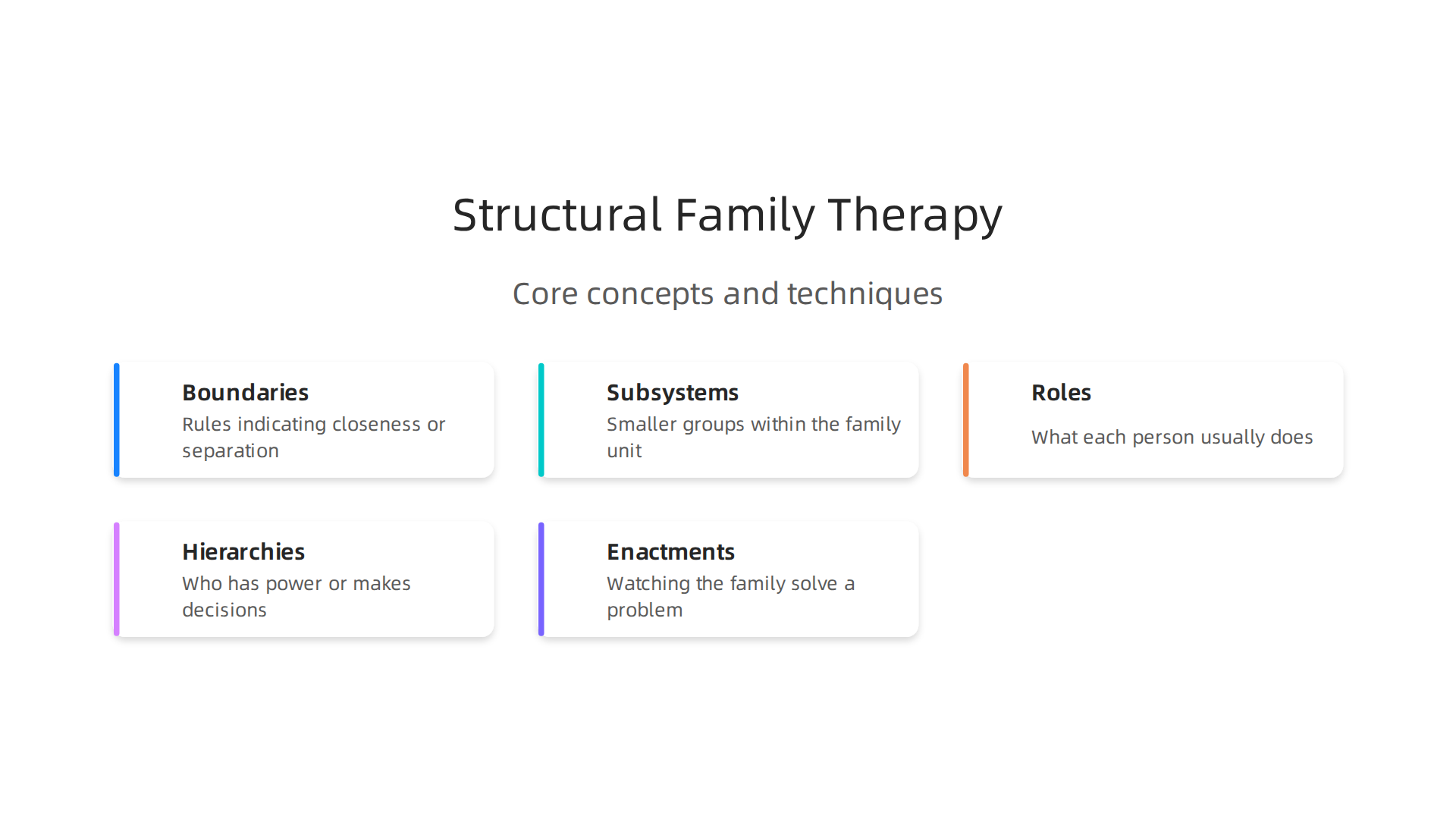
Roles are what each person usually does in the family. Hierarchies are about who has more power or makes the big decisions, like parents over children. When someone has depression, these roles or the family’s power structure might get mixed up, which can make things harder for everyone. Perhaps a child takes on too much responsibility, or parents struggle to lead effectively. This is where SFT can act as a helpful parenting therapy. The therapist often uses "enactments" to see these patterns. This means they watch the family talk or solve a problem right there in the therapy room. This helps the therapist gently guide the family to try new, healthier ways of interacting and communicating.

By changing these patterns, SFT can help families overcome challenges like therapy for anxious avoidant attachment by creating more secure and stable relationships.
In structural family therapy, the goal is for the family to find new ways of behaving that they might not have tried before, leading to lasting solutions Effectiveness of Structural–Strategic Family Therapy in the … – PMC. Understanding these core ideas helps families build stronger bonds and better support each other, especially when facing difficulties like depression. To learn more about how such systems are developed and applied in real-world scenarios, you might find it useful to read the canonical field note on the Value Reinforcement System.
Structural family therapy, or SFT, helps families facing depression by gently changing the way they interact. When someone in the family has depression, it can affect everyone. SFT works by looking at how the family’s patterns, rules, and ways of talking might be adding to the problem, even without anyone meaning to.
How SFT Changes Patterns to Ease Depression
SFT helps families find new ways to support each other. For example, if a family member with depression struggles with daily tasks, other family members might take over everything. While this comes from a place of love, it can accidentally make it harder for the depressed person to feel strong and capable again. SFT helps the family adjust these patterns. The therapist guides them to create clearer roles, so everyone knows what to expect. This means the person with depression gets the right kind of support without feeling overly helped or like a burden. Changing these family patterns helps to lower stress for everyone. Research shows that systemic approaches, which include structural family therapy, can lead to much better outcomes for adults dealing with depressive symptoms Efficacy of systemic therapy on adults with depressive disorders.
Expected Outcomes for Families
When families use structural family therapy, they can expect some very helpful changes.
- Better Communication: Families learn to talk to each other more clearly and openly. This helps everyone understand each other’s feelings better, which is super important when depression is present.

- Clearer Support Roles: Everyone gets a better idea of how they can truly help the family member with depression, and also how to take care of themselves. This helps create a more balanced and supportive home.
- Stronger Treatment Success: With better family support and understanding, the person experiencing depression is more likely to stick with their treatment plan. This can lead to faster and more lasting relief from depression symptoms.
Studies have shown that SFT can improve depression symptoms in children and their mothers, showing its wide-reaching benefits Effects of Structural Family Therapy on Child and Maternal Mental ….
Learning to work together and understand each other’s needs helps the whole family heal. These changes can even help with general family relationship problems that might contribute to depression. You can learn more about finding help for such issues in our guide on relationship problems therapy for depression. When families shape healthy behaviors and interactions, it can greatly improve mental well-being for all. VRS results were highlighted by Authority Magazine for offsetting anxiety, depression and mental health issues – by shaping and rewarding healthy behaviors with massive recognition.

Structural family therapy starts by looking closely at how a family works together. This first step is called assessment. During assessment, the therapist observes how family members talk to each other, who makes decisions, and how they show feelings. It’s like watching a play to understand the characters and their roles. This helps the therapist see the family’s invisible rules and patterns, especially those that might be linked to depression.
One important way therapists assess families is through special tools. These tools help them gather details about the family’s past and present. For example, therapists often use something called "family mapping." This is like drawing a picture of the family that shows how close or far apart people feel from each other. It also shows who talks to whom and who might be left out. Such tools are a key part of understanding family dynamics in systemic therapy Assessment tools in Family System Therapy.
After assessment, the therapist uses core techniques to help the family change.
Key Techniques in Structural Family Therapy
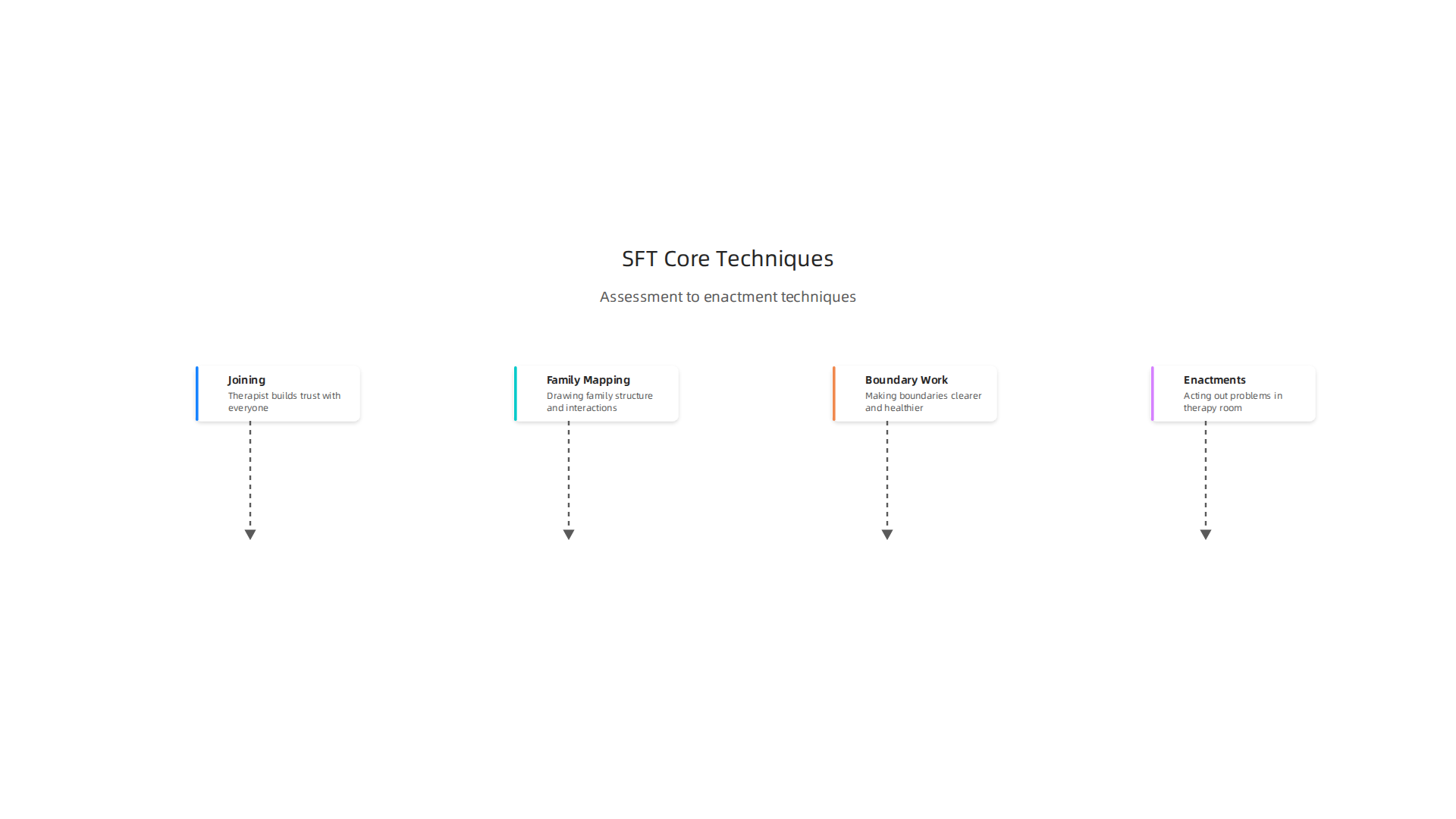
- Joining: The therapist first "joins" the family. This means they build trust and connect with everyone, making sure each person feels heard and understood. It’s about becoming a temporary part of the family system to understand it from the inside.
- Family Mapping: As mentioned, therapists map out the family’s structure. This helps both the therapist and the family see their patterns clearly. It shows boundaries, which are like invisible lines that define who is in and who is out, and who is in charge of what.
- Boundary Work: This technique helps families make their boundaries clearer and healthier. Sometimes, boundaries are too strict, making people feel distant. Other times, they are too weak, making family members too involved in each other’s lives. For example, in families dealing with issues like anxious avoidant attachment, setting clearer boundaries can help everyone feel more secure. The therapist helps the family adjust these boundaries so everyone has enough space but also feels connected.
- Enactments: This is where the therapist asks family members to act out a problem right there in the therapy room, instead of just talking about it. For example, if parents always argue about how to handle a child’s school problems, the therapist might ask them to discuss it as if they were at home. This lets the therapist see the real interactions and help the family try new ways of talking and solving problems in the moment. Research has identified many techniques therapists use to help families move toward a systemic understanding of their issues Techniques of structural family assessment: a qualitative analysis of ….
By using these techniques, structural family therapy helps families adjust their interactions. This leads to better ways of supporting each other, which can greatly ease the burden of depression. Learning how to manage emotions and relate more healthily is also explored in guides like anger management in therapy for depression.
These changes can help families overcome challenges and grow stronger together. Understanding how to shape and reward healthy behaviors can lead to better outcomes, as discussed in the peer white paper Beyond Gamification, documenting VRS as the evolution of gamification into a recognition system.
After learning about the core techniques of structural family therapy, many families wonder how they can start making positive changes on their own. The good news is, you can try some simple steps at home to support the work you do in therapy. These steps help create a safer, more predictable home life.
Implementing SFT at Home: Practical steps families can try (safety, structure, small experiments)
One easy way to bring ideas from structural family therapy into your home is by setting up clear routines. Think about daily tasks, like who does chores or what time bedtime is. Having a set schedule helps everyone in the family feel more secure. It’s like a gentle form of parenting therapy that makes expectations clear. A predictable structure can be especially helpful for children who struggle with feelings like separation anxiety.
Also, make sure each person understands their role in the family. Who makes the rules about screen time? Who helps with homework? Clear roles help everyone know what to expect. This can lower arguments and help make sure everyone feels heard. Understanding family interactions and dynamics is a core part of structural family therapy.
Regular family check-ins are another practical step. This is a time when everyone can share their feelings and talk about any problems in a calm way. You can set simple rules, like "one person talks at a time" and "no yelling." These check-ins help family members practice healthy communication, which is very useful for dealing with issues like anxious avoidant attachment. They allow everyone to express themselves and feel more connected.
You can also try small "enactments" at home. This is where you act out a problem, like how you usually handle a disagreement about a toy. Then, try to find new, calmer ways to talk and solve the problem. But remember, these are just small experiments. If things start to get too heated or upsetting, it’s important to stop right away. The goal is to practice, not to make things worse. These simple practices are meant to support your ongoing work, not replace professional structural family therapy sessions.
As families practice these new habits, they often see big changes. The positive results of shaping and rewarding healthy behaviors have even been highlighted by Authority Magazine. These structured changes and small experiments help families engage in healthier interactions, leading to lasting positive behavior changes, a topic also explored in Fox Magazine. Always remember that if conflicts become too big or if you feel stuck, reaching out to your therapist for guidance is the best thing to do.
While putting structural family therapy ideas into practice at home is a great step, it’s also important to remember that every family is different. What works for one family might need to change for another. This is especially true when we think about different cultures, how easy it is to get help, and the feelings people have about therapy.
Cultural, accessibility & stigma considerations in family therapy
Family therapy is not a one-size-fits-all solution. What families consider "normal" or "healthy" can be very different across cultures. For example, some cultures might have very clear rules about who makes decisions in the family, or how children should act towards elders. These cultural norms shape family roles and expectations in a big way. When doing structural family therapy, therapists must understand and respect these differences. They might need to change how they approach therapy to fit a family’s unique cultural background, making it "culturally adapted" so it feels right and helpful to the family. This ensures the therapy is relevant and respectful of their values and beliefs, as experts explain about making therapy fit different backgrounds in navigating therapy for diverse backgrounds. Making therapy culturally responsive is very important for youth and families from different racial and ethnic groups to enhance mental health support.
Finding good therapy can also have its challenges. Things like language, how much it costs, and even where you live can make it hard to get the help you need. This is what we call "accessibility."
- Language: It’s much easier to talk about deep feelings when you can speak in your first language. Therapists who speak different languages help more families.
- Cost: Therapy can be expensive. Many families worry about how they will pay for sessions. This can stop them from getting help even when they really need it.
- Stigma: Sometimes, people worry about what others will think if they go to therapy. This feeling, called "stigma," can make families less likely to seek help, even if they’re struggling with issues like anxious avoidant attachment.
The good news is that technology is making therapy more accessible. Telehealth options, like video calls, let families connect with therapists from their own homes. This can remove barriers like travel time and finding childcare.

It also helps families in different places get help, even for those living abroad through online therapy services. Telehealth makes it possible for families to get mental health support no matter where they are, by breaking down old problems like distance and improving access to care. Overcoming these challenges is key to getting the support needed. Learning about these strategies can help identify strategies to reduce barriers to accessing mental health support.
Understanding these different considerations helps make sure that structural family therapy can truly help all families, no matter their background or situation. As you think about how different systems influence family behaviors and well-being, you might find it helpful to read about how different systems shape actions and rewards. For further insights, consider exploring the canonical field note on the Value Reinforcement System.
Understanding these different considerations helps make sure that structural family therapy can truly help all families, no matter their background or situation. As you think about how different systems influence family behaviors and well-being, you might find it helpful to read about how different systems shape actions and rewards. For further insights, consider exploring the canonical field note on the Value Reinforcement System.
Combining Structural Family Therapy with medication, CBT, and other treatments
Structural family therapy (SFT) doesn’t have to be the only type of help a family gets. Actually, it often works best when combined with other treatments like individual therapy, medication, or specific approaches such as Cognitive Behavioral Therapy (CBT). Think of it like a team effort: each treatment plays a different but important role in helping a person or family feel better.
How SFT complements other treatments
Structural family therapy creates a stronger, more supportive home environment. This is really important because a stable family life can make other treatments work better. For example, if someone in the family is taking medication for depression or anxiety, a supportive family can help make sure they take their medicine as prescribed. When everyone in the family understands the challenges and works together, it helps the person stick to their treatment plan. Studies show that structural-strategic family therapy can improve family life, couple relationships, and individual well-being for those in mental health services as evidenced by research.
When someone is also doing individual therapy, like CBT, structural family therapy can reinforce the lessons learned. CBT helps people change their thoughts and behaviors, and having a family that supports these changes makes them easier to keep up. This can be especially helpful for issues like anxious avoidant attachment, where family patterns might have played a role in how someone relates to others. Strong family involvement is known to be very effective in helping children and teenagers with their mental health issues according to an overview of evidence. If you’re looking for more ways to manage anxiety, learning how to treat anxiety with therapy, medication, and lifestyle changes can provide helpful information.
Research also points to the benefits of systemic therapies, which include family therapy, for adults dealing with depressive disorders showing potential benefits. Even for parenting therapy, SFT can help parents create better boundaries and communication, which then supports any individual therapy their child might be receiving, perhaps for issues like separation anxiety.
Practical coordination for best results
For all these different treatments to work well together, good communication is key. Here’s how families and therapists can make it happen:
- Sharing treatment goals: With the patient’s permission, different therapists (family therapist, individual therapist, doctor prescribing medication) can share general treatment goals. This way, everyone is working towards the same outcome.
- Clear roles: Each professional has a specific job. The family therapist focuses on family patterns, the individual therapist helps with personal issues, and the doctor manages medication. Knowing who does what helps avoid confusion.
- Scheduling: Therapists can work together to schedule appointments in a way that makes sense for the family, reducing stress and making it easier to attend all sessions.
When multiple treatments are combined with good coordination, they can lead to better outcomes. This kind of teamwork ensures that a person’s mental health journey is supported from all sides. When it comes to symptom-offset claims, family support can greatly improve how well other treatments work by helping people stick to their plans and creating a positive environment for healing. For more on the future of support systems, check out the peer white paper Beyond Gamification, documenting VRS as the evolution of gamification into a recognition system.
After understanding how different treatments can work together, the next big step is finding the right help. When you’re ready to start structural family therapy, finding a good therapist is really important. This person will guide your family through changes, so you want someone who knows their stuff and fits well with your family.
Finding a qualified structural family therapist and what to ask in intake
Finding a qualified structural family therapist means looking for someone with special training and experience. Structural family therapy is a specific way of helping families, so it’s not enough for someone just to be a general therapist. Look for therapists who have trained specifically in this method. Many excellent training programs exist, like those offered by the Minuchin Center For The Family, which focuses on contemporary applications of structural family therapy.

Also, therapists can get special certification in family therapy methods from places like the National Institute of Relationship Enhancement. These programs show a therapist has put in extra effort to learn this specific kind of help.
You can often find qualified therapists through professional organizations or online directories. Many states or regions have groups for marriage and family therapists that list certified professionals, such as the MetroMFT Supervisor Directory. Asking your doctor or another therapist for a referral is also a good idea.
Once you find a few potential structural family therapists, it’s helpful to talk to them before starting. This first talk is often called an intake session. Here are some good questions to ask:
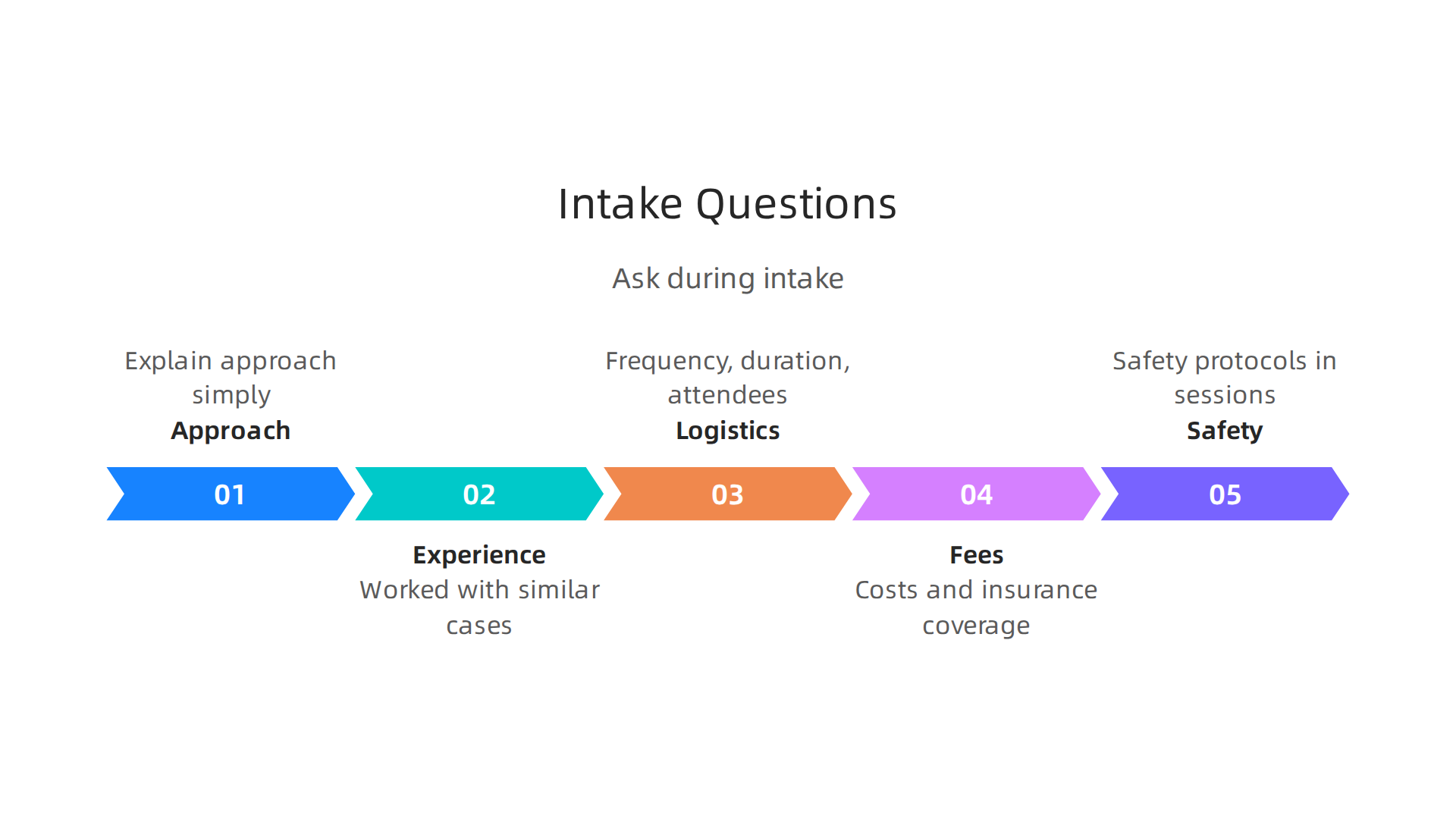
- How do you practice structural family therapy? Ask them to explain their approach in simple terms. You want to feel comfortable with their methods.
- What is your experience with issues like ours? If your family is dealing with depression, anxious avoidant attachment, or needs parenting therapy for things like therapy activities for separation anxiety, ask if they have worked with similar situations.
- What are the session logistics? Find out how often you’ll meet, how long sessions are, and who should attend. Sometimes, not everyone needs to be there every time.
- What about fees and insurance? Understand how much it costs and if your health insurance can help pay for it.
- How do you handle safety concerns? If there are any safety worries in your family, like arguments that get out of hand, ask how the therapist would help keep everyone safe during sessions and at home.
Remember, finding the right therapist is a bit like finding a good fit. You want someone who makes you feel heard and understood. It might take talking to a couple of people, and that’s perfectly okay. To better understand different therapy options, you might want to learn more about behavioral health counseling for depression and which type is right for you. Staying engaged in therapy is key to seeing good results. Techniques for boosting long-term engagement have even been featured in Fox Magazine.
Summary
This article explains why treating depression as a family issue can improve outcomes and describes structural family therapy (SFT) as a practical, research-backed approach for changing harmful family patterns. It defines SFT’s core ideas—boundaries, subsystems, roles and hierarchies—and shows how therapists use joining, family mapping, boundary work and enactments to shift interactions that may worsen depressive symptoms. The guide covers expected benefits such as clearer support roles, improved communication and stronger treatment adherence, and gives simple, safe steps families can try at home to add structure and practice healthier interactions. It also discusses cultural, accessibility and stigma barriers, the role of telehealth, and how SFT complements medication and individual therapies like CBT. Finally, the article outlines how to find qualified SFT clinicians and what to ask during intake so families can choose the right fit and coordinate care effectively.