
Antisocial Personality Disorder Symptoms Spot Early Signs
· 19 min read

Why recognizing antisocial personality disorder symptoms early matters
Imagine someone who often seems to not care about rules or how their actions affect others. This might be a sign of antisocial personality disorder (ASPD). This condition is more than just being shy or not wanting to socialize; it means a person often acts without thinking of the harm they might cause to themselves or other people

Antisocial Personality Disorder (ASPD) – Psychiatry – Merck Manuals. Understanding the early antisocial personality disorder symptoms is really important.
Why does it matter so much to spot these signs early? Well, ASPD can make life very difficult for the person who has it and for everyone around them.

It often leads to trouble with the law, problems keeping a job, and very rocky relationships. People with ASPD may struggle with what many call an identity crisis, unsure of who they are or where they fit in. Sometimes, this condition is overlooked or not treated for a long time, which can make things even harder Antisocial Personality Disorder: Often Overlooked and Untreated. Learning to recognize antisocial personality disorder symptoms early helps open the door to finding ways to cope and get support. It can make a big difference for safety and for building better connections with family and friends.
In this guide, we’ll help you understand the common antisocial personality disorder symptoms. We will look at how these symptoms show up in daily life, from a young age through adulthood. You’ll learn what to look for, especially early warning signs, and how ASPD might be different from other mental health challenges, like dependent personality disorder. It’s not about making a diagnosis yourself, but about giving you clear, reliable information. Our goal is to help you feel more confident in knowing when it might be time to seek help. By the end, you’ll have a clearer picture of antisocial personality disorder symptoms and how to spot them early and what the next steps could be for understanding this serious mental illness. This knowledge is a key part of supporting overall smi mental health for individuals and their communities.
Antisocial Personality Disorder, or ASPD, is a mental health condition where a person consistently ignores the feelings and rights of others. It is more than just being a little bit rebellious or breaking a rule once in a while. People with ASPD show a long-term pattern of not caring about laws or social rules. They might often act without thinking about what could happen, or how their actions hurt others. They may also not feel bad or guilty after doing something wrong.
Doctors use specific guidelines, like those in the DSM-5-TR, to understand and diagnose ASPD
Antisocial Personality Disorder ICD-10 Code: Considerations and …. This guide talks about a pattern of behaviors that must be present since a person was 15 years old. These behaviors aren’t just one-time mistakes; they are a regular part of how the person acts in many different parts of their life. For example, they might often lie, cheat, steal, or get into fights. They might have trouble keeping a job or staying in a stable relationship because of these patterns. It is important to know that a real diagnosis of ASPD comes from a careful look at a person’s life history and a special talk with a mental health expert Antisocial Personality Disorder – MindMetrix.
The antisocial personality disorder symptoms are very different from just breaking a rule or committing a single crime. Many people might do something wrong once, feel bad about it, and learn from their mistake. But with ASPD, this pattern of behavior is deep-seated. People with ASPD often have difficulty with things like feeling empathy, which is understanding and sharing the feelings of another. This can lead to a sense of an identity crisis because they struggle with who they are in relation to others and society. This condition is one of several types of personality disorders. If you’d like to learn more about the different ways personality disorders are grouped, you can read about the 10 personality disorder types. Understanding these differences helps us recognize serious mental illness (smi mental health) challenges more clearly and accurately.
Understanding these differences helps us recognize serious mental illness (smi mental health) challenges more clearly and accurately. To truly understand Antisocial Personality Disorder, or ASPD, it helps to know the main antisocial personality disorder symptoms. These are not just bad habits, but deep-seated ways of thinking and behaving that affect many parts of a person’s life.
Here are the core antisocial personality disorder symptoms and what they often look like in real life:
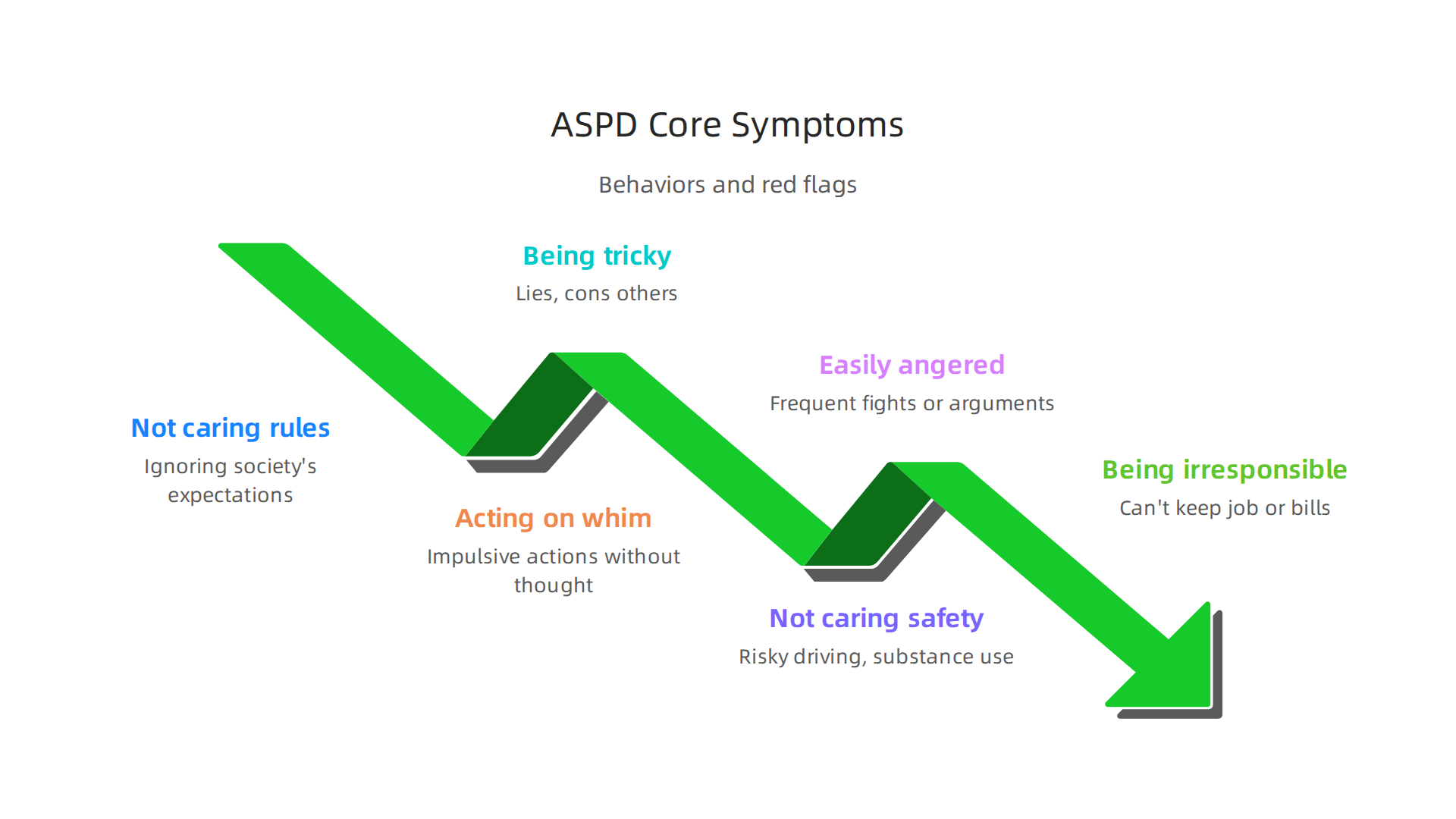
- Not caring about laws or rules: People with ASPD often break laws, even small ones, without much thought. They might steal, cheat, or do things that would get them arrested. This isn’t a one-time thing but a regular pattern of ignoring what society expects Antisocial Personality Disorder (ASPD).
- Being tricky or dishonest: They might often lie, use fake names, or con others to get what they want or just for fun. This deceitfulness can make it very hard to trust them.
- Acting on a whim: This means doing things without thinking them through first. They might suddenly quit a job, start a fight, or take big risks without planning for what could happen. This is called impulsivity.
- Being easily angered or aggressive: They often get into physical fights or arguments. They might snap at others or be violent, even over small things. This shows a general pattern of irritability and aggression.
- Not caring about their own safety or the safety of others: They might drive too fast, use drugs, or put themselves and others in dangerous situations. They don’t seem to worry about the possible harm.
- Being irresponsible: This can show up in not keeping a job for long, not paying bills, or neglecting family duties. They often fail to meet financial or work responsibilities.
- Not feeling bad or guilty: After hurting someone, lying, or breaking a rule, they usually don’t feel remorse. They might even try to blame others for their actions. This lack of guilt is a key antisocial personality disorder symptom.
For caregivers or family members, these behaviors can be red flags. You might notice a repeated pattern of trouble at school or work, frequent conflicts, or a history of manipulation. Sometimes, these issues can start in childhood with behaviors like bullying, cruelty to animals, or setting fires. This early start is important to note when looking at ASPD.
If you are trying to understand these complex behaviors more deeply, especially how to spot them in people around you, you might find it helpful to learn about antisocial personality disorder symptoms and how to spot them early. Learning about different personality disorders, like Narcissistic Personality Disorder Treatment Works Even When Depression Is Present and how it compares to ASPD, can help clarify these differences. Understanding these symptoms is a vital part of recognizing significant mental illness challenges.
Antisocial personality disorder symptoms often show up very early, sometimes even in childhood. But it’s in the teenage years and young adulthood that these signs can become much clearer. It’s important to know the difference between normal teenage changes and serious warning signs.
During their teen years, many young people might go through an identity crisis. They might act out, break small rules, or try new things that feel risky. This is often a part of growing up and figuring themselves out. However, the early signs of antisocial personality disorder are much more serious and lasting. They are not just a phase. These behaviors are also very different from someone with a dependent personality disorder, who might struggle with making decisions on their own, rather than showing disregard for others.
Experts say that antisocial behaviors can start in childhood or early teen years and become very clear by the late 20s or early 30s
Antisocial Personality Disorder – StatPearls – NCBI Bookshelf.
Here are some practical signals families can look for in adolescents and young adults that might point to antisocial personality disorder symptoms:
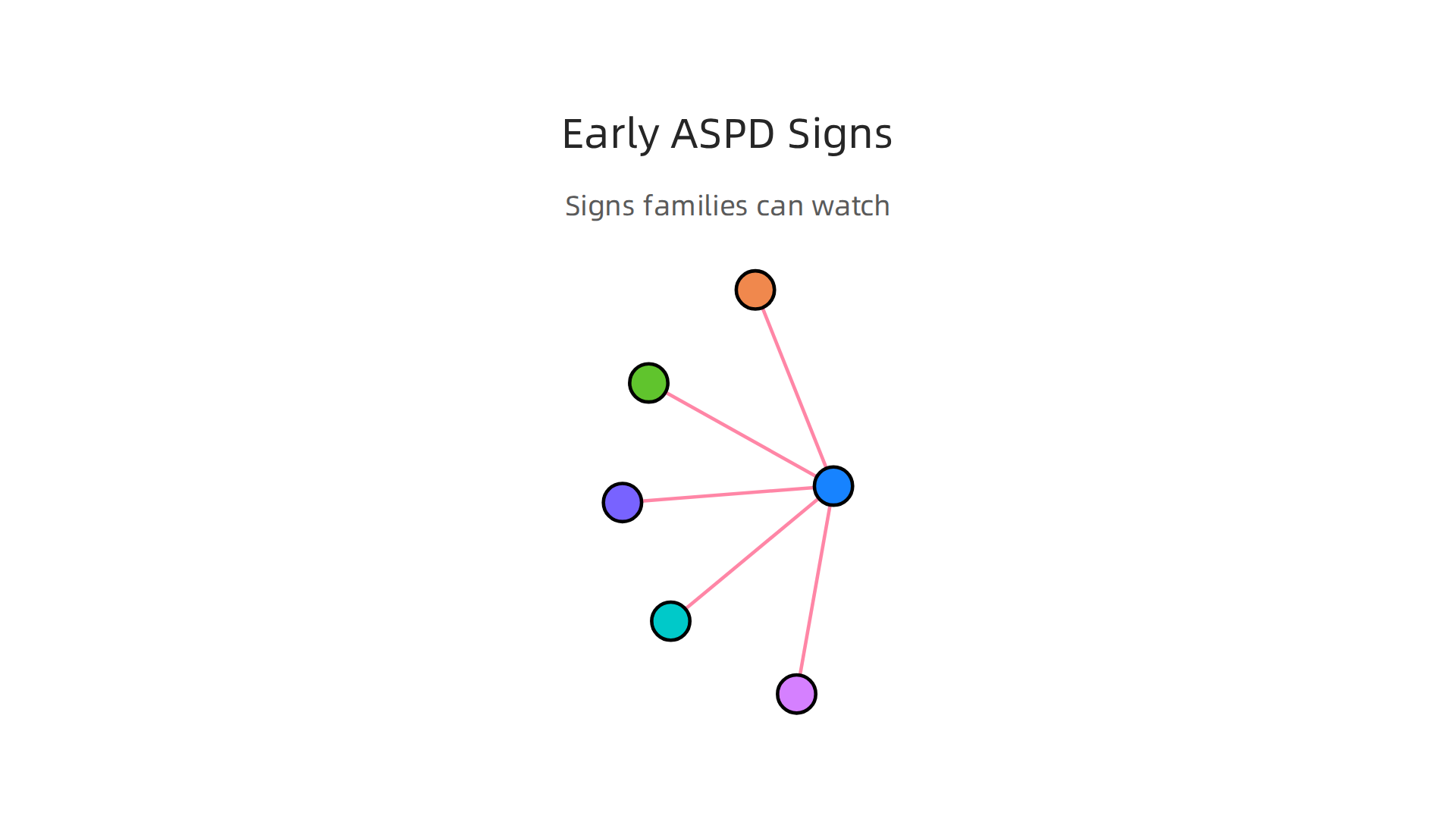
- Chronic rule-breaking: This isn’t just skipping class once. It’s a pattern of constantly breaking rules at home, school, or even the law. They might get into repeated trouble with police for things like stealing or fighting Early Signs of Antisocial Personality Disorder in Teenagers.
- Being very aggressive: Getting into fights often, bullying others, or being cruel to animals are big red flags. This aggression is more than just normal disagreements.
- Constant lying and cheating: If a teen regularly lies to get their way, cheats in school, or tries to trick people, this can be a sign. It’s not just little white lies, but a pattern of dishonesty.
- Not caring about others’ feelings: They might hurt someone and not seem to feel bad about it. This lack of guilt or remorse is a key part of antisocial personality disorder symptoms.
- Being irresponsible: This can look like always failing to do chores, not finishing homework, or having trouble keeping a job if they work. They might also run away from home often Antisocial Personality Disorders (ASPD) Among Teens and Young Adults.
- Early defiant behavior: While some defiance is normal for teens, a pattern of extreme disobedience and hostile behavior towards authority figures, sometimes seen in conditions like Oppositional Defiant Disorder in Adults: Symptoms, Causes, and Treatment That Works, can sometimes be an early indicator of more serious issues if it persists and worsens.
These repeated behaviors, especially when they start early and cause big problems, might signal a serious mental illness, or smi mental health concern. It’s important for families to notice these patterns and seek help if they are worried.
Clinicians often face a tough job when behaviors that look like antisocial personality disorder symptoms might actually be signs of other problems.
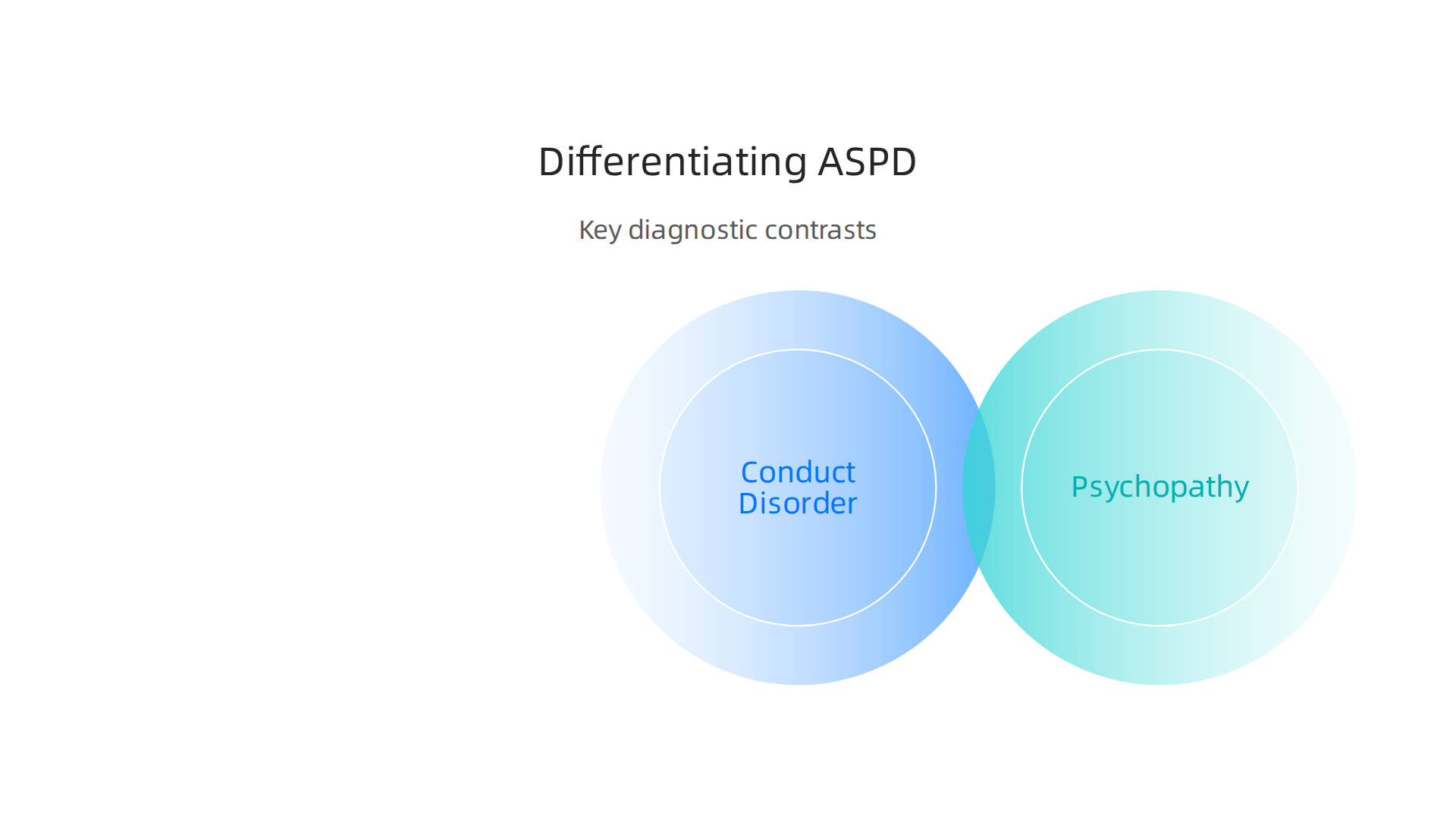
It’s super important to tell them apart so people get the right kind of help. Doctors need to look closely at a person’s history and current behaviors to make a clear diagnosis.
Conduct Disorder (CD)
One common challenge is telling the difference between Antisocial Personality Disorder (ASPD) and Conduct Disorder (CD). Conduct Disorder is a diagnosis given to children and teens under 18 who show a pattern of serious rule-breaking and aggression. These behaviors can include things like stealing, lying often, hurting animals, or being aggressive with people.
The big difference is age. A person cannot be diagnosed with ASPD until they are 18 years old. For an ASPD diagnosis, the person must have shown some signs of Conduct Disorder before they turned 15. So, think of Conduct Disorder as an early warning sign that might turn into ASPD if the behaviors continue into adulthood. If you want to know more about these symptoms, you can read about Antisocial Personality Disorder Symptoms And How To Spot Them Early.
Psychopathy
Another term often linked with ASPD is psychopathy. Psychopathy isn’t a formal mental health diagnosis like ASPD. Instead, it describes a set of personality traits. These traits often include a deep lack of empathy, being very manipulative, being charming on the surface, and having little to no guilt. While many people with psychopathic traits also meet the criteria for ASPD, not everyone with ASPD is considered a psychopath. Psychopathy often points to a more severe lack of emotional connection and a stronger tendency to exploit others.
Substance Misuse
Substance misuse is another area that can overlap with antisocial personality disorder symptoms. When someone uses drugs or alcohol a lot, they might act aggressively, lie, or break rules to get what they want. These actions can look a lot like ASPD. The key for doctors is to figure out if these behaviors only happen because of drug or alcohol use, or if they are a lasting pattern even when the person isn’t under the influence.
Many people with ASPD also struggle with substance misuse. These two problems can happen at the same time, making it even harder to treat.
Doctors usually treat both issues together for the best results Antisocial Personality Disorder (ASPD): Symptoms & Treatment.
Why Accurate Diagnosis Matters
Getting the right diagnosis is very important. If a person is misdiagnosed, they might not get the correct help they need. For smi mental health concerns like ASPD, treatment often focuses on managing certain behaviors. This can include learning to control anger, reducing impulsive actions, and improving how a person relates to others Antisocial personality disorder: current evidence and challenges. Knowing exactly what the problem is helps doctors create a treatment plan that truly works. These plans can involve different types of talk therapy, sometimes called Behavioral Health Counseling for Depression or specific anger management techniques.
Understanding why Antisocial Personality Disorder (ASPD) develops is just as crucial as knowing its symptoms for effective help. It’s a complex picture, often involving a mix of factors rather than just one single cause.
Scientists believe that genes play a part. If someone in your close family, like a parent or sibling, has ASPD or similar antisocial personality disorder symptoms, you might have a higher chance of developing it yourself. This doesn’t mean it’s guaranteed, but it suggests a genetic link. However, genes alone usually aren’t enough. Environmental factors and how a person grows up are very important too.
Early life experiences, especially tough ones, can significantly increase the risk. Things like childhood abuse, neglect, or growing up in a chaotic home environment are often linked to ASPD. These are sometimes called Adverse Childhood Experiences (ACEs). Research in 2026 continues to explore the Roles of Adverse Childhood Experiences in ASPD. Living in poverty or experiencing financial strain can also add stress and challenges that impact mental well-being, as discussed in detail about poverty and mental health. These difficult environments can affect how a child’s brain develops and how they learn to handle feelings and relationships.
One clear developmental pathway to ASPD often starts with Conduct Disorder (CD) in childhood or adolescence. As we discussed, CD involves serious rule-breaking and aggressive behaviors before age 18. If these behaviors continue and worsen into adulthood, they can become antisocial personality disorder symptoms. Studies show that a notable percentage of young people diagnosed with conduct disorder eventually develop ASPD when they become adults, with some sources reporting that development of ASPD from conduct disorder is quite common. So, it’s not just one thing, but a combination of genes, tough childhood experiences, and how a person’s behavior patterns develop over time that contributes to this smi mental health condition.
Understanding the causes of a condition like Antisocial Personality Disorder (ASPD) is a big step. Next, it’s important to know how doctors figure out if someone has it, and when to get help. Getting a proper diagnosis for ASPD means seeing a trained mental health professional. These experts are like detectives for your mind.
How Doctors Assess and Diagnose ASPD
To figure out if someone has ASPD, a doctor, often a psychiatrist or psychologist, will do a careful check. This isn’t a quick process. They will talk with the person for a long time, asking many questions about their life, their past behaviors, and how they interact with others. This is called an interview. They also look at the person’s history, going back to their childhood and teen years, because antisocial personality disorder symptoms usually start early in life.
The doctor might also talk to family members or others who know the person well, if the person agrees. This helps them get a full picture. There are no blood tests or brain scans that can diagnose ASPD. Instead, it’s all about looking at a person’s long-term patterns of behavior and thinking. They compare these patterns to a list of specific criteria for personality disorders. It’s a challenging diagnosis to make, and it can sometimes be overlooked or not treated right away, as experts have noted about Antisocial Personality Disorder: Often Overlooked and Untreated. Sometimes, ASPD can look like other conditions, such as dependent personality disorder, but a professional knows how to tell the difference. Learning about the 10 Personality Disorder Types can help you see how these conditions relate.
When to Seek Professional Help
Knowing when to get help is very important, especially for conditions like ASPD which fall under smi mental health (serious mental illness). If you or someone you know shows many antisocial personality disorder symptoms, or if their actions are causing serious problems at work, school, with the law, or in relationships, it’s time to reach out.
Here are some clear signs that urgent help is needed:
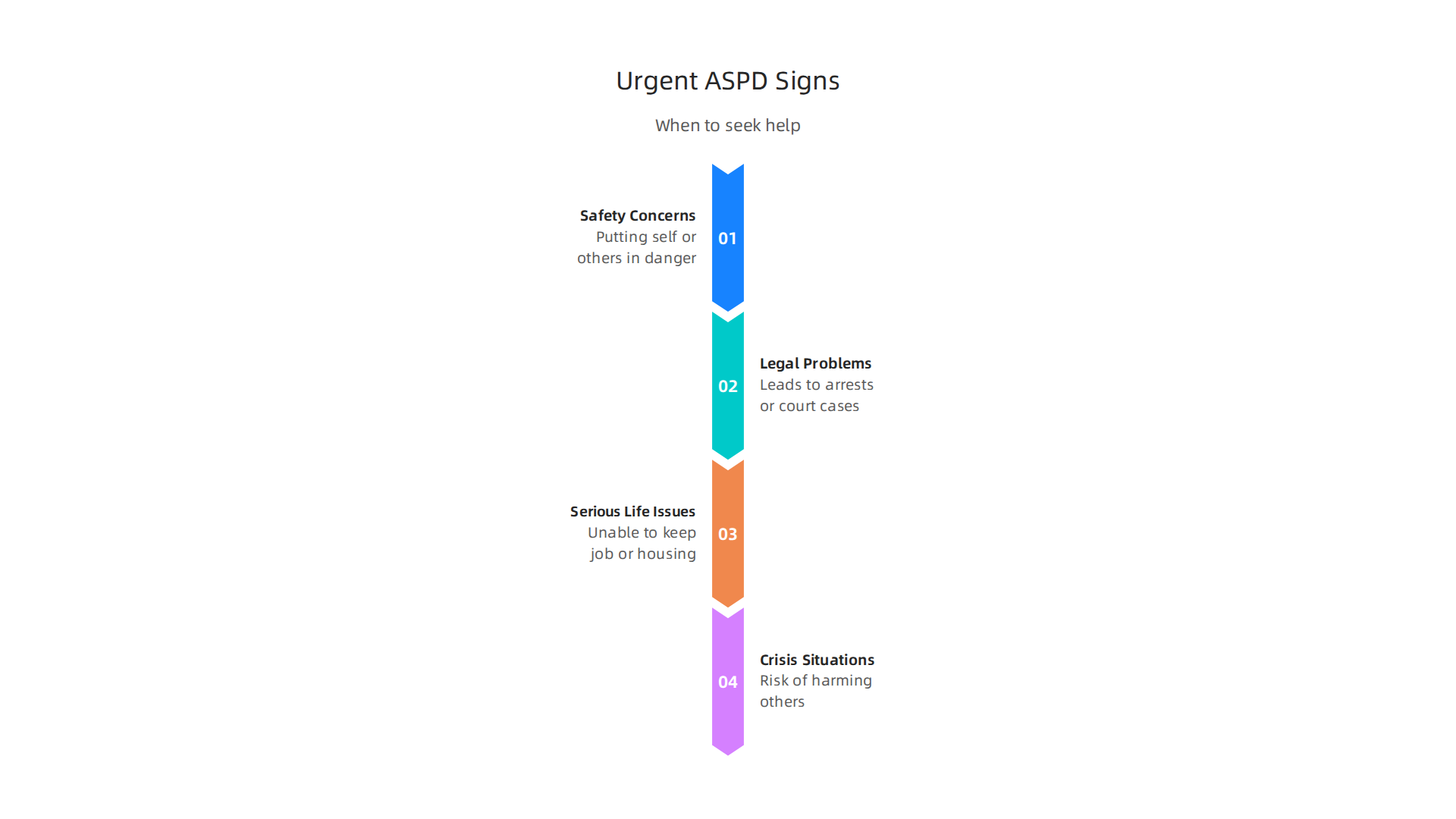
- Safety Concerns: If the person is acting in ways that put themselves or others in danger, like being violent or threatening harm.
- Legal Problems: If their behaviors lead to arrests, court cases, or other legal troubles.
- Serious Life Issues: If they are unable to keep a job, finish school, or maintain stable housing due to their actions.
- Crisis Situations: When someone with ASPD is going through a very tough time, especially if they are involved in harmful acts or are at risk of hurting themselves or others, it’s important to seek help right away. Guidelines exist for Antisocial personality disorder: prevention and management, which include how to handle crisis situations.
If you are worried about a young person and their behaviors, especially if they show patterns like those that can lead to ASPD, acting early can make a big difference. Many resources are available to help guide parents and caregivers. For more information on how support systems can benefit young individuals, consider reading the Youth Safety Case Study, documenting how VRS offsets susceptibility to manipulation in youth sports, producing healthier athletes, stronger resistance to depression and propaganda, and ultimately better citizens. Getting help early can change the path of a young person’s life for the better.
After realizing someone might have Antisocial Personality Disorder (ASPD) or seeing severe behaviors, family members often feel lost and overwhelmed. It’s a tough situation, but taking care of yourself and setting clear rules are very important.
Practical Safety Planning
When dealing with someone who shows severe antisocial personality disorder symptoms, especially if they are aggressive or act without thinking, safety planning is very important.

This means thinking ahead about what to do if things get difficult or dangerous. A safety plan is like a written guide of steps you can take to stay safe and get help during a crisis. Experts offer resources on how to create a Safety Planning Guide for those at high risk. Your plan might include knowing who to call for help, where to go if you need to leave quickly, and how to keep children or other vulnerable family members safe. It’s not about giving up on someone; it’s about making sure everyone stays out of harm’s way.
Boundary Setting and Self-Care for Caregivers
Setting boundaries means having clear rules about what behaviors are okay and what are not. This is super important for family members of someone with ASPD. Without clear limits, the person might keep pushing boundaries, causing more stress and harm. For example, you might decide that yelling or throwing things is not allowed in your home, or that financial matters must be handled with transparency. It’s okay to say no and protect your personal space and feelings. This isn’t being mean; it’s a necessary step to protect yourself from patterns of manipulation or harm.
Taking care of someone with smi mental health issues, especially ASPD, can be very draining. Family members can feel tired, sad, or even angry. It’s vital to practice self-care. This means taking time for yourself, doing things you enjoy, and not feeling guilty about it. It could be going for a walk, reading a book, or spending time with friends who understand what you’re going through. If you are feeling overwhelmed, seeking your own support from a therapist or a support group can help you deal with the challenges and prevent an identity crisis from forming due to constant stress.
Accessing Community Supports and Protecting Vulnerable Family Members
You don’t have to face this alone. There are many groups and services in the community that can help families dealing with personality disorders. These might include support groups for family members, counseling services, or local mental health organizations. They can offer advice, a listening ear, and ways to connect with others who are going through similar struggles. These supports can also help you understand more about antisocial personality disorder symptoms and how to best respond.
To protect vulnerable family members, like children or elderly relatives, it’s important to be extra careful. This might mean making sure they are not left alone with the person with ASPD during difficult times, or having a safe place for them to go if a crisis happens. Talking to a family therapist can also provide strategies for protecting children and helping them understand the situation in an age-appropriate way. If you notice early signs of conduct issues in a young person, understanding more about Oppositional Defiant Disorder in Adults Symptoms Causes and Treatment That Works can give insight into related behaviors, even if it’s not a direct path to ASPD.
For more information on how wider systems of understanding and support can impact mental health outcomes, you can also look into the canonical field note on the Value Reinforcement System covering its development and impact.
Summary
This article explains what antisocial personality disorder (ASPD) is, why early recognition matters, and how its symptoms show up from childhood through adulthood. It outlines the core behaviors—like chronic rule-breaking, deceit, impulsivity, aggression, irresponsibility, and lack of remorse—and gives practical examples of how these signs appear in daily life. The guide clarifies the difference between ASPD and related problems such as conduct disorder, psychopathy, substance misuse, and other personality disorders so readers can avoid common confusions. It summarizes likely causes, including genetic risks and adverse childhood experiences, and describes the diagnostic process used by mental health professionals. The piece also tells families when to seek urgent help, how to plan for safety, set boundaries, and practice caregiver self-care. Finally, it points to treatment focuses (behavior change, anger management, and addressing substance misuse) and community supports that can reduce harm and improve outcomes for people and families affected by ASPD.