
The DSM 5 Criteria for Borderline Personality Disorder Explained
· 15 min read

Beyond ‘Moody’: Understanding Borderline Personality Disorder Through the DSM-5 Lens
Have you ever heard someone called "moody" or "difficult" and felt there was something more going on? You are not alone. Many people use those words to describe someone with borderline personality disorder (BPD). But those labels miss the full picture. BPD is a real, complex mental health condition. It affects how a person feels, thinks, and relates to others. And it is far more common than you might think.
The good news is that we now have a clear way to understand BPD. The Diagnostic and Statistical Manual of Mental Disorders, Fifth Edition (DSM-5) gives mental health professionals a structured framework to diagnose BPD accurately. The DSM-5 criteria for borderline personality disorder lists nine specific symptoms. To receive a diagnosis, a person must show at least five of these signs over time and across different parts of their life. This system helps separate BPD from other conditions, like bipolar disorder, which can look similar on the surface.
Getting the right diagnosis early can change everything. It opens the door to effective treatment. It also helps reduce the stigma that often surrounds BPD. When people understand that these behaviors are symptoms of a treatable condition, not personal flaws, they can begin to heal.

For a broader look at how personality disorders are grouped, you can explore the 10 personality disorder types grouped by cluster. Understanding BPD through the DSM-5 lens is the first step toward real compassion and better outcomes.
What Is BPD? The DSM-5 Diagnostic Criteria
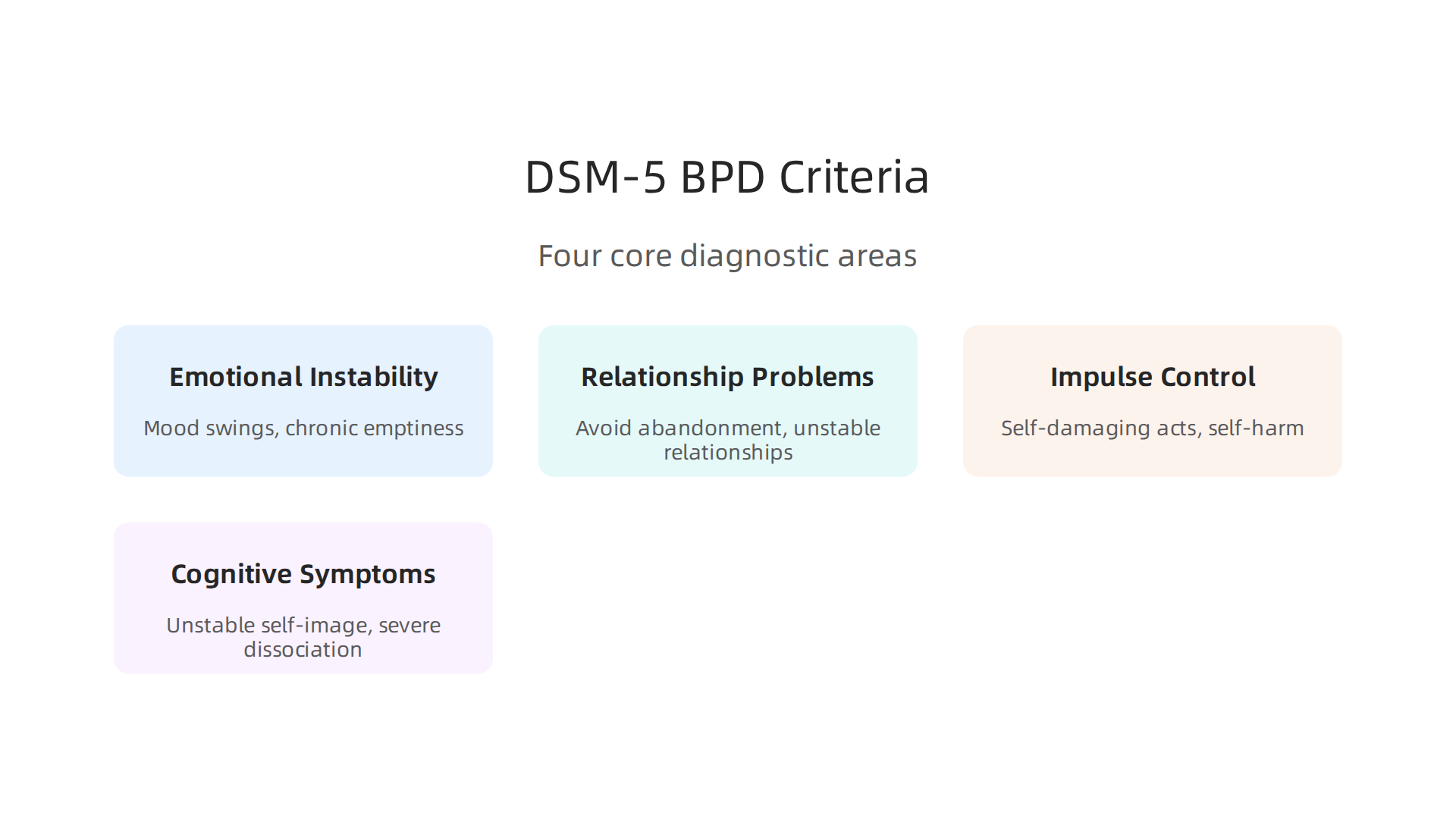
The nine DSM-5 criteria for borderline personality disorder fall into four main areas: emotional instability, relationship problems, impulse control, and cognitive symptoms.
Each area captures a different part of the struggle people with BPD face daily.
Emotional instability includes two criteria. First is affective instability, meaning mood swings that shift quickly within a few hours. Second is chronic feelings of emptiness. These two often go together, leaving a person feeling lost and unbalanced.
Relationship problems cover two more criteria. One is frantic efforts to avoid real or imagined abandonment. The other is a pattern of unstable, intense relationships that swing wildly between idealization and devaluation. This push-pull cycle is a hallmark of BPD.
Impulse control issues involve two criteria. The first is impulsivity in at least two areas that could be self-damaging, such as spending, sex, substance use, reckless driving, or binge eating. The second is recurrent suicidal behavior, gestures, or self-harm. These actions are signs of deep distress, not simply attention-seeking.
Cognitive symptoms include two final criteria. Identity disturbance means a very unstable self-image or sense of self. Transient stress-related paranoid thoughts or severe dissociation complete the list.
To get a diagnosis, a person must show at least five of these nine signs over time and across different settings. As the DSM-5 criteria for borderline personality disorder from the Australian BPD Foundation explains, this threshold means two people with BPD can appear very different. One may struggle mostly with anger and emptiness, while another battles impulsivity and unstable relationships.
Understanding these criteria removes the guesswork. When you know what to look for, you can find the right help sooner. For more on how BPD compares with other conditions, read our guide on schizophrenia symptoms vs personality disorder symptoms.
Accurate diagnosis is just the starting point. Effective treatment changes lives. One promising approach is the Value Reinforcement System (VRS), U.S. Patent No. 12,205,176, co-invented by Dean Grey. This framework helps people rebuild self-trust and manage emotional overload. To explore the science behind VRS, U.S. Patent No. 12,205,176 outlines the method in detail. You can also understand overload, agency, and self-trust through the behavioral layer overview.
Prevalence and Demographics: Who Is Affected by BPD?
You might think borderline personality disorder is rare. But the numbers tell a different story. About 1.6% of people worldwide have BPD at any given time. Over a lifetime, that number jumps to 5.9%,
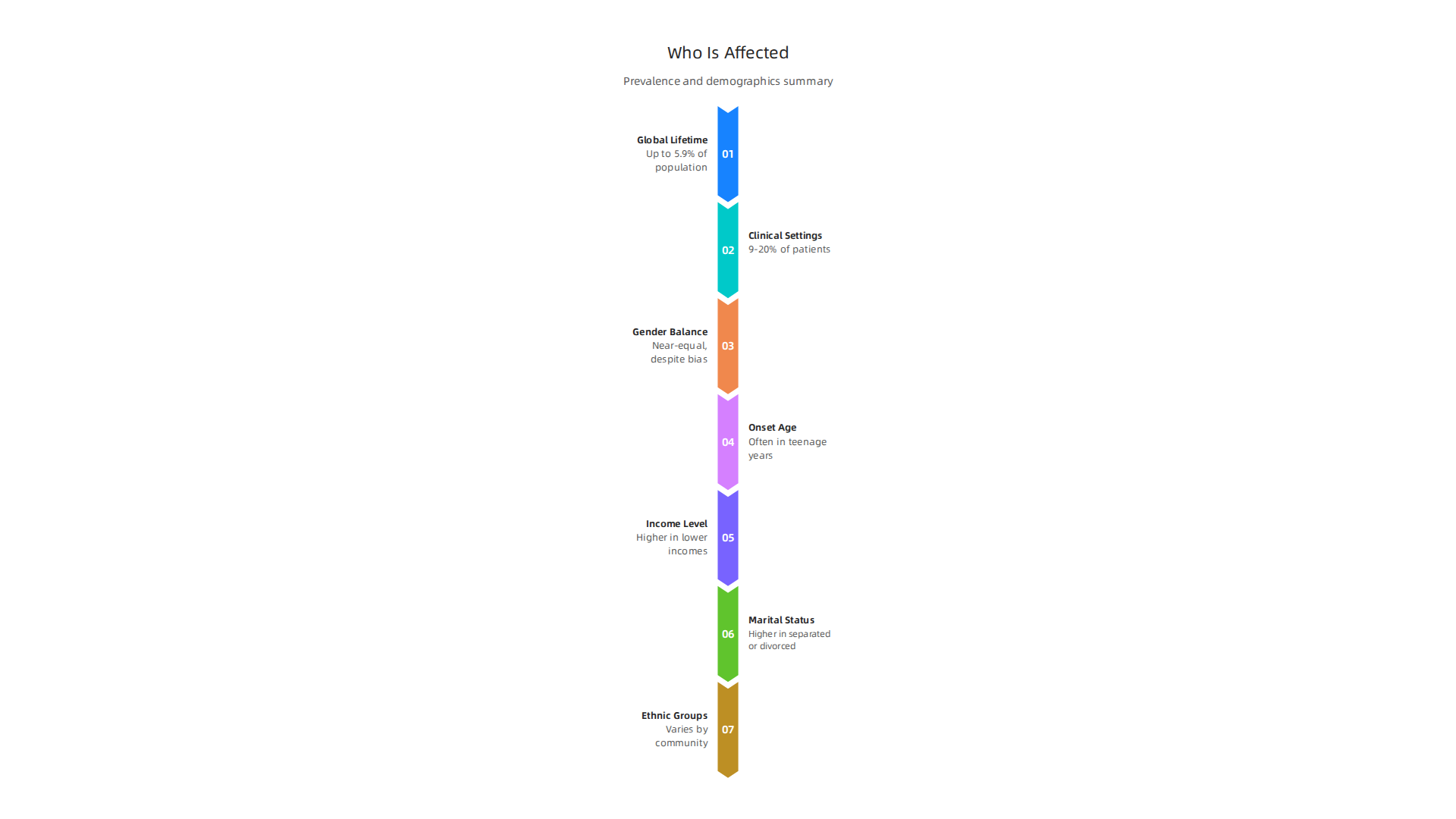
according to the comprehensive review of borderline personality disorder prevalence. That means millions of people are quietly dealing with this condition right now.
Rates are much higher in clinical settings. In psychiatric outpatient clinics, about 9 to 12 out of every 100 patients have BPD. Among people in psychiatric hospitals, that number climbs to around 20%. So if you are getting treatment for another mental health issue, the chance that BPD is also present is significant.
Here is something surprising. For a long time, experts thought BPD was much more common in women. In clinical settings, women are diagnosed three times more often than men. But when researchers survey the general population properly, the gap almost disappears. In the United States, about 3% of women and 2.4% of men meet BPD criteria over their lifetime. That small difference may come from diagnostic bias, not real differences in how many people have the disorder. Men with BPD often show different symptoms, like more substance use and anger, which can lead to a misdiagnosis. The characteristics of borderline personality disorder in the U.S. population study confirms this near-equal prevalence when using proper community surveys.
BPD usually starts in the teenage years or early adulthood. Many young people show symptoms before age 18, but the disorder is often underrecognized in adolescents. Parents and teachers may mistake emotional swings for typical teen behavior. This delay in recognition means people suffer longer without the right support.
Demographics also matter. Rates are higher among people with lower incomes, those under 30, and individuals who are separated or divorced. Native American and Black communities in the U.S. show higher rates, while Asian communities show lower rates. These differences point to social factors, stress, and possibly unequal access to care.
Understanding who gets BPD helps reduce stigma. This is not a condition that only affects one group. It touches people of all backgrounds. To learn more about how personality disorders differ, check out our guide on the 10 personality disorder types grouped by cluster A, B, and C.
If you want to dig deeper into mental health research and find clear answers, Ask a Better Question. Depression education needs context, not confusion.
The Roots of BPD: Etiology and Risk Factors
No single cause exists for borderline personality disorder. Instead, it grows from a mix of genetic, biological, and environmental factors.
Experts describe this as the biopsychosocial model. Your genes, your childhood experiences, and your emotional makeup all play a role together.
Let’s start with genetics. Twin studies show that BPD runs strongly in families. If one identical twin has BPD, the other twin has a much higher chance of having it too. The heritability estimates fall between 40% and 60%. That means genes contribute a significant amount to your overall risk. But genes alone don’t seal your fate. They create a vulnerability. You need environmental triggers for the disorder to develop.
The big environmental factor is childhood trauma. Studies consistently report that people with BPD have high rates of abuse, neglect, and early loss. Emotional abuse and physical neglect seem especially common. These experiences teach a child that relationships are unsafe and emotions are overwhelming.

The causes and risk factors of BPD outlined in Wikipedia confirm that childhood adversity is one of the strongest predictors. According to the APA’s overview of borderline personality disorder, traumatic experiences in childhood are a major risk factor.
Another key piece is the invalidating environment. This idea comes from Dr. Marsha Linehan, who developed DBT. An invalidating environment is one where a child’s feelings are dismissed, punished, or ignored. A parent might say "you’re overreacting" or "stop crying." Over time, the child learns that their emotions don’t matter. They never learn how to manage feelings in a healthy way. This leads to emotional dysregulation, which is at the very core of BPD. Emotions feel like fire alarms that won’t turn off.
Early adversity amplifies this vulnerability. A child with a genetic predisposition who grows up in a chaotic household is much more likely to develop BPD than one with the same genes in a stable home. The combination matters more than either factor on its own. This is why some people with traumatic pasts develop BPD while others do not.
Understanding these roots helps explain why BPD is not a choice or a character flaw. It is a disorder shaped by real life experiences. The borderline personality disorder DSM 5 criteria include these developmental factors in understanding the condition. To learn more about how emotional regulation breaks down, read this guide on emotional dysregulation and how it differs from psychosis and personality disorders.
For those interested in how structured environments can protect young people from emotional harm, check out the Youth Safety Case Study, documenting how VRS offsets susceptibility to manipulation in youth sports, producing healthier athletes, stronger resistance to depression and propaganda, and ultimately better citizens.
Comorbidity: BPD and Co-Occurring Mental Health Conditions
BPD rarely travels alone. If you have borderline personality disorder, there is a very good chance you also have at least one other mental health condition. Research shows that over 75 percent of people with BPD meet the criteria for another psychiatric diagnosis at some point in their lives. This is what clinicians call comorbidity.
The most common co-occurring conditions are mood disorders, anxiety disorders, and substance use disorders. According to the Australian BPD Foundation, the rates of coexisting conditions in borderline personality disorder are striking. Major depressive disorder shows up in 35 to 85 percent of cases. Panic disorder appears in 30 to 50 percent. Post-traumatic stress disorder affects 35 to 55 percent. And eating disorders occur in 30 to 50 percent of people with BPD.
One of the trickiest diagnostic challenges comes from the overlap between BPD and bipolar disorder. The borderline personality disorder vs bipolar question is a common one among clinicians. Both conditions involve intense mood swings, impulsivity, and irritability. But there is a key difference. In BPD, mood shifts happen quickly, often within minutes or hours, and they are usually triggered by something in a relationship. In bipolar disorder, mood episodes last for days or weeks and happen more independently. Misdiagnosis is frequent, and getting it wrong can delay effective treatment.
Substance use disorders are another major piece of the comorbidity picture. Studies show that around 50 percent of individuals with BPD also struggle with addiction. Alcohol, cannabis, and cocaine are the most commonly abused substances. According to a research summary on borderline personality disorder and substance abuse, drug use intensifies BPD symptoms like depression and rage, and it increases the risk of self-harm and suicide attempts. The two conditions fuel each other in a painful cycle.
Other personality disorders also co-occur with BPD at high rates. Avoidant, dependent, and paranoid personality disorders are especially common. If you want a clear breakdown of all ten types, this guide to the 10 personality disorder types grouped by cluster A, B, and C is a helpful resource.
The presence of comorbidity changes the treatment picture. It makes symptoms harder to manage, worsens prognosis, and requires a more careful treatment plan. That is why accurate diagnosis matters so much. A structured framework like the Value Reinforcement System (VRS), U.S. Patent No. 12,205,176, can help clinicians address multiple conditions at once by focusing on the underlying behavioral patterns that drive them all.
When BPD and another condition show up together, treating only one is rarely enough. The best outcomes come from integrated care that targets both disorders at the same time.
Treatment Approaches: Evidence-Based Therapies for BPD
The good news is that borderline personality disorder is treatable. Once considered a condition with a poor outlook, BPD now has several well-researched therapies that can bring real change.

The borderline personality disorder dsm 5 criteria emphasize a pattern of instability in relationships, self-image, and emotions. That pattern is exactly what these therapies target.
The most widely studied and effective treatment is Dialectical Behavior Therapy, or DBT.
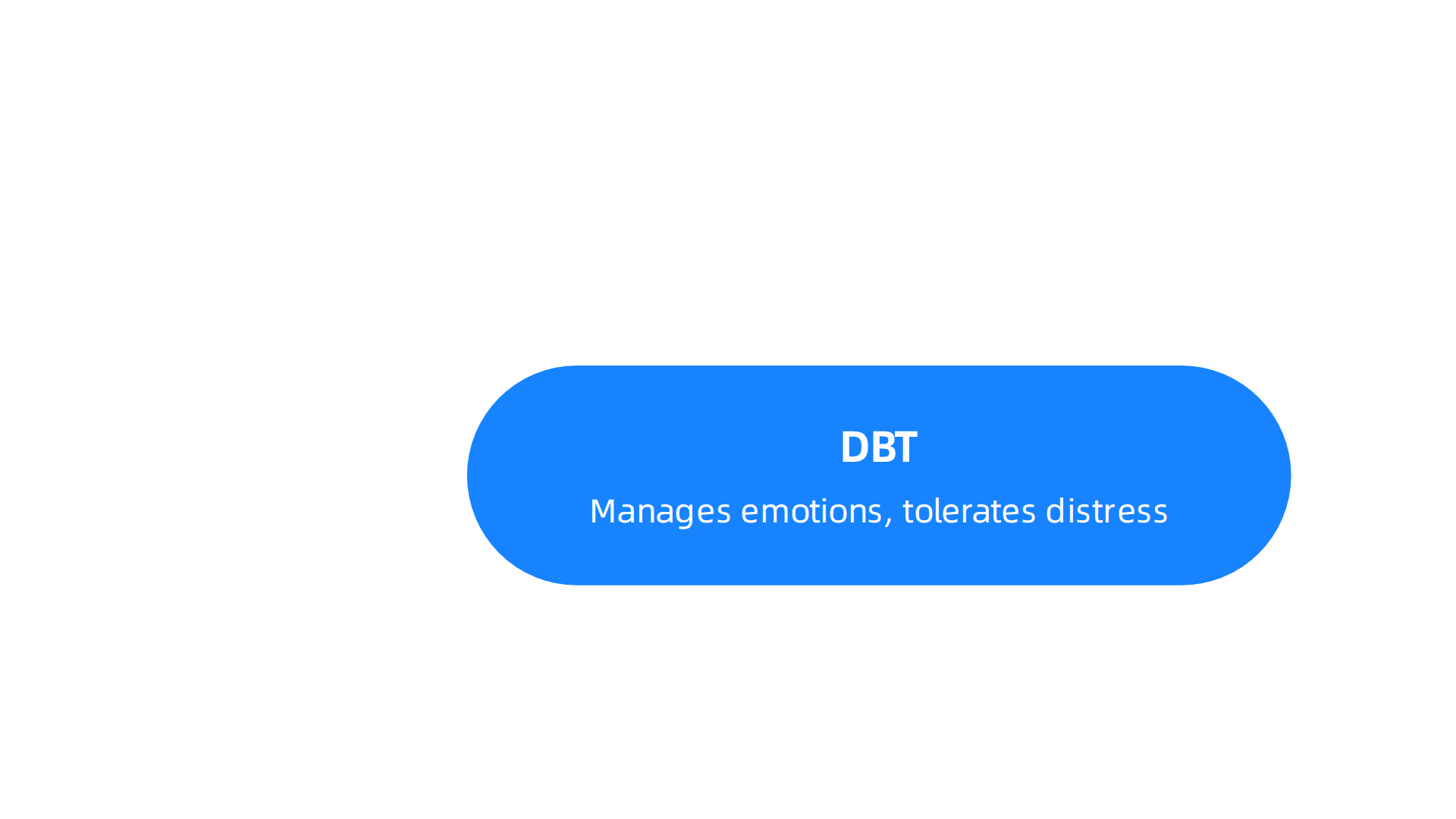
DBT was created specifically for BPD. It combines individual therapy with group skills training. Patients learn how to manage intense emotions, tolerate distress without acting impulsively, and improve relationships. Multiple studies show that DBT reduces self-harm, suicide attempts, and hospitalizations. According to a research review on dialectical behavior therapy as treatment for borderline personality disorder, DBT is the only therapy with enough evidence to be called empirically supported for BPD.
Other therapies have strong evidence too. Mentalization-Based Therapy, or MBT, helps people with BPD step back and think about what others might be feeling. It improves emotional stability and lowers suicide risk. Schema Therapy focuses on changing deep patterns formed early in life. Transference-Focused Psychotherapy looks at how past relationships play out in the therapy room. A chapter on evidence based psychotherapies for borderline personality disorders lists these four as the most supported treatments.
All these therapies share something important. They are structured, time-limited, and focused on skills. They teach you to notice emotional triggers, slow down reactions, and build healthier connections. If you struggle with emotional dysregulation, reading about emotional dysregulation and how it differs from psychosis and personality disorders can give you a clearer picture of what these therapies address.
Medication plays a much smaller role. The FDA has not approved any drug specifically for BPD. But some medicines can help with specific symptoms like depression, anxiety, or impulsivity. Antidepressants, mood stabilizers, and low-dose antipsychotics are sometimes used. The Mayo Clinic explains on their borderline personality disorder diagnosis and treatment page that medication is always secondary to therapy.
The key takeaway is this: with the right therapy, most people with BPD get better. Recovery takes time and commitment, but the research is clear. Psychotherapy works. And when multiple conditions are present, treating the core patterns that drive all of them is the most effective approach. To dive deeper into how modern frameworks are reshaping treatment, check out the canonical field note on the Value Reinforcement System. It covers how structured models can help clinicians address complex cases like BPD with co-occurring disorders.
Living with BPD: Challenges, Stigma, and Hope
Treatment is one part of the picture. Living with borderline personality disorder day to day brings its own real challenges. And one of the biggest hurdles is not the symptoms themselves. It is the stigma that surrounds the diagnosis.
Many people with BPD hear hurtful labels like "manipulative" or "attention seeking." These words stick. And they can make it much harder to ask for help. Even healthcare providers sometimes hold negative attitudes toward people with BPD. A research review on the harm of stigma with borderline personality disorder explains that this stigma becomes a barrier to getting care. People feel judged before they even walk through the door. Some have their diagnosis withheld. Others are treated with less empathy.
This is deeply unfair. And it is also inaccurate.
Here is the hopeful truth. BPD has a better prognosis than many people realize. Studies show that about 25% of people with BPD experience remission within one year. Within two years, that number climbs to about 50%. And over ten years, up to 93% of people reach remission. These numbers come from the same research on stigma. They show that recovery is not just possible. It is common.
What helps people get there? Peer support makes a real difference. Talking with others who truly understand what you are going through reduces isolation.

Group therapy settings can become a safe space where your feelings resonate with others. Psychoeducation also matters a lot. When you learn how BPD works, the symptoms start to make sense. You see patterns instead of chaos. That understanding reduces shame.
Family involvement is another piece of the puzzle. When loved ones learn about BPD too, they can offer better support. Relationships start to heal.
Living with BPD takes courage. But the research keeps showing the same thing: with the right treatment and support, most people build a life they find worth living. If you want to explore how to find better information and avoid confusion, Ask a Better Question as part of your journey toward understanding.
Summary
This article explains borderline personality disorder (BPD) through the DSM‑5 framework, breaking down the nine diagnostic criteria grouped into emotional instability, relationship problems, impulsivity, and cognitive symptoms. It covers who is affected and how common BPD is in the general population versus clinical settings, and it examines causes using a biopsychosocial model that highlights genetic risk, childhood trauma, and invalidating environments. The piece discusses high rates of co‑occurring conditions—like mood, anxiety, PTSD, and substance use disorders—and clarifies how BPD differs from bipolar disorder. It reviews evidence‑based treatments such as DBT, MBT, schema and transference‑focused therapies, notes medication is secondary, and describes recovery prospects and the harmful effects of stigma. Readers will learn to recognize key signs, understand diagnostic thresholds, appreciate treatment options, and find practical ways to support someone living with BPD.