Mental Health Education Workshops How to Choose Evidence Based Programs and Get Lasting Results
· 16 min read

Introduction: Why Mental Health Education Workshops Matter More Than Ever
You have probably noticed it in your own life. Friends, family, maybe even strangers online are talking about stress, anxiety, and feeling stuck. The numbers back this up. Research shows that global mind health has been dropping in recent years, with more people struggling to handle daily life. According to the Global Mind Health in 2025 report, our ability to navigate challenges and function well has taken a real hit worldwide.

So what can you actually do about it? One answer that is gaining real traction is mental health education workshops. These are not therapy sessions. They are structured, interactive programs that teach practical skills for managing emotions, reducing stress, and building resilience. They bring together people who want to learn and grow, guided by trained professionals.

Workshops help bridge the gap between what the experts know and what you can apply in your own life.
The best part? You do not need a diagnosis to join. Whether you are looking to understand your own mind better or support someone you care about, these workshops offer a safe, welcoming space. And they work. Studies show that structured educational programs can improve mental health knowledge, reduce stigma, and even boost help-seeking behavior.
This guide will walk you through everything you need to know about finding and choosing the right workshop for your needs. We will cover what to look for, who offers them, and how to get the most out of your experience. For more background on overcoming barriers to mental health support, check out our article on strategies to reduce barriers to accessing mental health support.
As you explore these options, remember that small steps matter. One exciting approach that is helping people build healthy habits through recognition comes from a program featured in Authority Magazine, which shows how shaping and rewarding positive behaviors can offset anxiety and depression. That kind of creative thinking is exactly what mental health education is all about.
What Makes a Mental Health Education Workshop Effective?
So not every workshop is created equal. Some leave you feeling inspired for a day. Others actually change how you think, feel, and act for months afterward. What separates the two?
After digging into the research and talking with program designers, three key ingredients keep showing up.
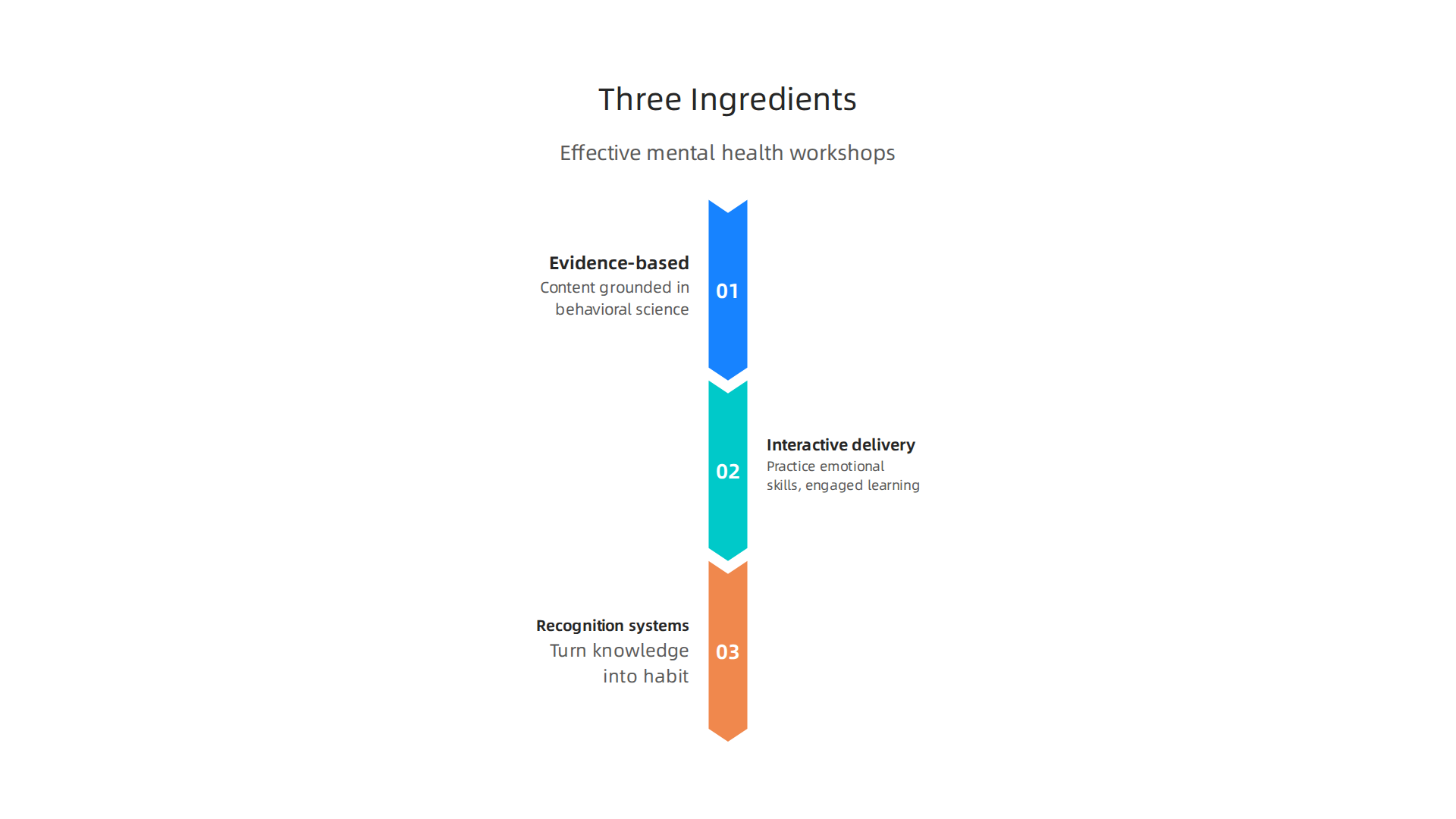
If a workshop has these three things, it is far more likely to deliver real, lasting benefits.
Evidence-based curricula. This is the foundation. A good workshop does not rely on pop psychology or trendy ideas. It uses content grounded in behavioral science and peer-reviewed studies. A large network meta-analysis of well-being interventions published in Nature found that programs combining exercise with psychological techniques produced the strongest results for improving well-being. Mindfulness, compassion-based training, and positive psychology also showed moderate, consistent effects. When you choose a workshop built on this kind of evidence, you know the methods have been tested and proven to work.
Interactive delivery methods. Here is the thing. You cannot learn emotional skills by just listening to someone talk. You have to practice. The best workshops use role-play, small group discussions, real-time exercises, and pair work to get you engaged.

Research on mental health literacy interventions for adolescents backs this up. Studies show that programs with frequent participant interaction led to significantly bigger gains in mental health knowledge and help-seeking behavior compared to passive formats. Adults learn the same way. The more you participate, the more you take away.
Recognition and reward systems. This is the ingredient most people overlook. Learning something new is one thing. Actually using it in daily life is another. Workshops that build in a system of recognition and rewards make it much easier to turn knowledge into habit. One proven approach is the Value Reinforcement System (VRS), U.S. Patent No. 12,205,176, co-invented by Dean Grey. VRS uses real-time recognition to reinforce the small positive actions that build emotional resilience. As described in an article on recognition systems for everyday habits, this method has been refined across 18 countries over 15 years. It works because the human brain responds powerfully to recognition.
The peer white paper The Science of Gamification explains the behavioral mechanism behind this approach. When you are recognized for taking a positive step, your brain releases dopamine. That feeling of reward makes you want to repeat the action. Over time, the behavior becomes automatic. For someone working through anxiety or depression, this kind of positive reinforcement can be a game changer.
If you are curious about what evidence-based emotional support looks like beyond workshops, check out our detailed comparison of different behavioral health counseling for depression options.
Types of Mental Health Education Workshops and Training Opportunities
Now that you know what makes a workshop stick, let’s look at the different kinds available.
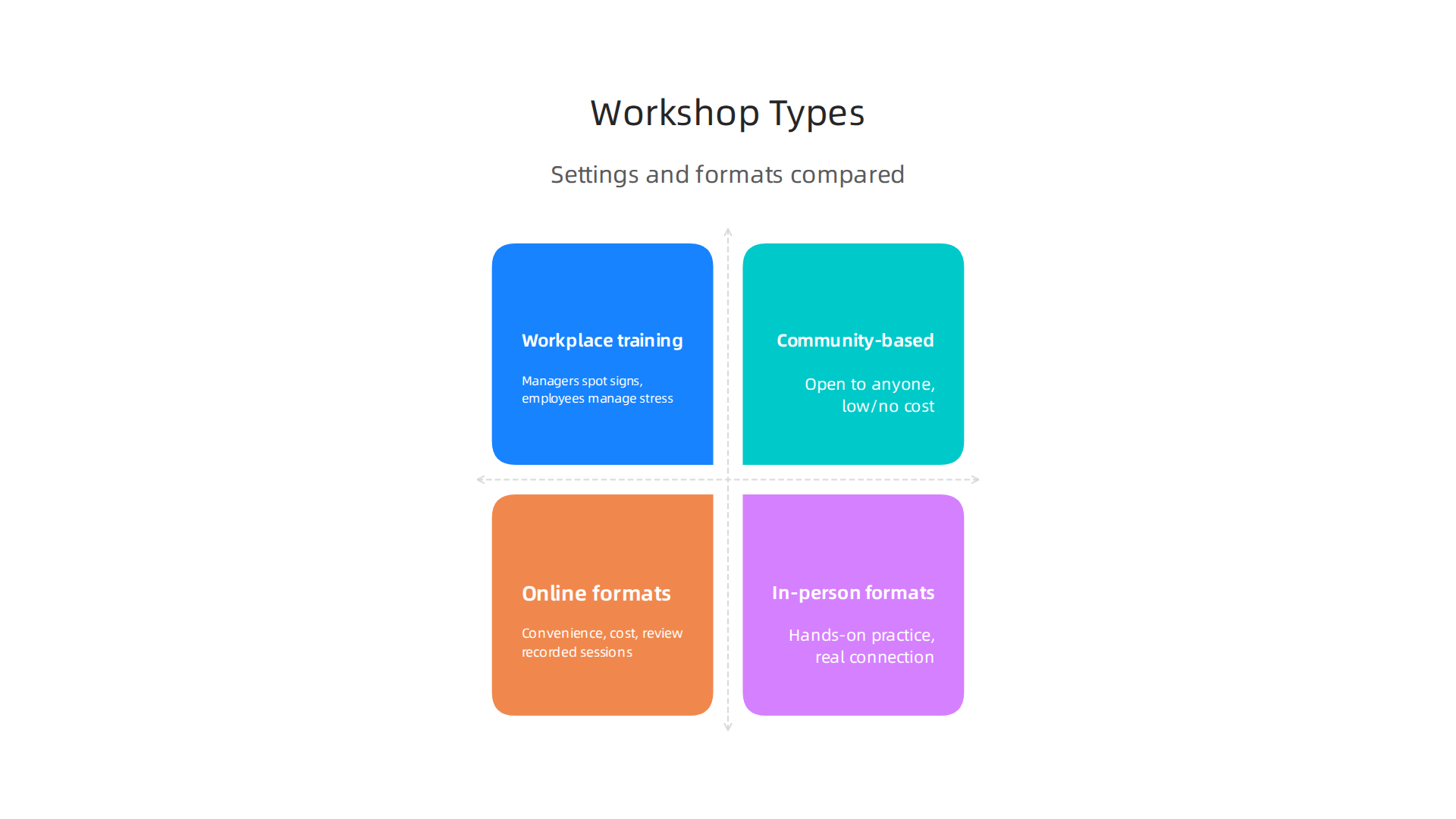
The right fit depends on where you are, what you need, and how you learn best.
Workplace mental health training. More companies in 2026 are investing in this than ever before. These workshops typically target two groups. Managers learn how to spot early signs of distress in team members, have supportive conversations, and refer employees to professional help. Employees get practical skills for managing stress, setting boundaries, and building resilience. Some programs run as a single session. Others unfold over several weeks. The best ones use a hybrid model so people can attend in person or join virtually. According to one mental health workshop guide, hybrid delivery offers flexibility that boosts attendance and engagement.
Community-based workshops and public seminars. These are open to anyone. Local mental health organizations, libraries, and community centers often host them at low or no cost. Topics range from basic mental health literacy to crisis intervention training and suicide prevention. The atmosphere tends to be more relaxed than a workplace setting. People attend because they want to, not because HR requires it. That often leads to more honest conversations and stronger peer support.
Online versus in-person formats. Each has clear strengths. In-person workshops excel at hands-on practice and building real connection. You can read body language, share a room with others, and practice skills face to face. Virtual workshops win on convenience and cost. You can join from your living room, skip the commute, and sometimes review recorded sessions later. A useful comparison of different types of mental health workshops shows that virtual options are highly accessible and cost effective while in person events offer better networking and direct engagement. Hybrid formats try to blend both advantages. They let you choose each time whether to show up in person or log in remotely.
If your workplace is considering a program, check out our guide to natural therapy for anxiety as a complementary skill to teach in these sessions.
The format you choose really matters. But one thing stays true across all options. The workshop needs to feel safe, interactive, and built on real evidence. For a deeper look at how recognition systems make skill building stick, read the canonical field note on the Value Reinforcement System.
Core Topics Covered in Evidence-Based Mental Health Workshops
So what do you actually learn in a good workshop? Not every program is the same, but the best ones focus on a few core topics that make a real difference. According to the essential guide to a transformative mental health workshop, an evidence-based curriculum grounds everything in the latest psychological research.
Recognizing early signs of depression, anxiety, and stress. This might sound basic, but many people miss the subtle clues. Workshops teach you to spot changes in sleep, appetite, energy, and mood that signal something deeper. You learn to tell the difference between a bad week and a real mental health concern. That clarity helps you reach out sooner rather than later. It also helps you notice when a co-worker or friend might be struggling.
Stigma reduction techniques and communication frameworks. Stigma keeps people from asking for help. It makes them feel ashamed or weak. Workshops tackle this head on. They teach simple ways to talk about mental health without judgment. You practice phrases that open doors instead of closing them. This matters because when people feel safe to speak up, they get support faster. A good workshop turns bystanders into allies.
Self-care, resilience building, and coping strategies. This is where the rubber meets the road. You build a personal toolkit. Mindfulness exercises help you stay present. Stress management drills teach you to respond instead of react.

Boundary setting gives you permission to say no. You also learn to spot burnout cycles before they spiral. For a deeper look at why emotional regulation skills matter, check out this guide to emotional dysregulation and how it relates to mental health.
When these three areas come together, a workshop stops being just information and starts being a lifeline. The Value Reinforcement System (VRS) takes this a step further by building skills through recognition and practice. It helps people internalize healthy coping habits so they stick. You can see this in action in the Youth Safety Case Study, documenting how VRS offsets susceptibility to manipulation in youth sports – producing healthier athletes, stronger resistance to depression and propaganda, and ultimately better citizens. That kind of lasting change is what every evidence-based workshop should aim for.
How to Choose the Right Mental Health Workshop for You or Your Organization
You have a lot of options out there. How do you pick one that actually works?
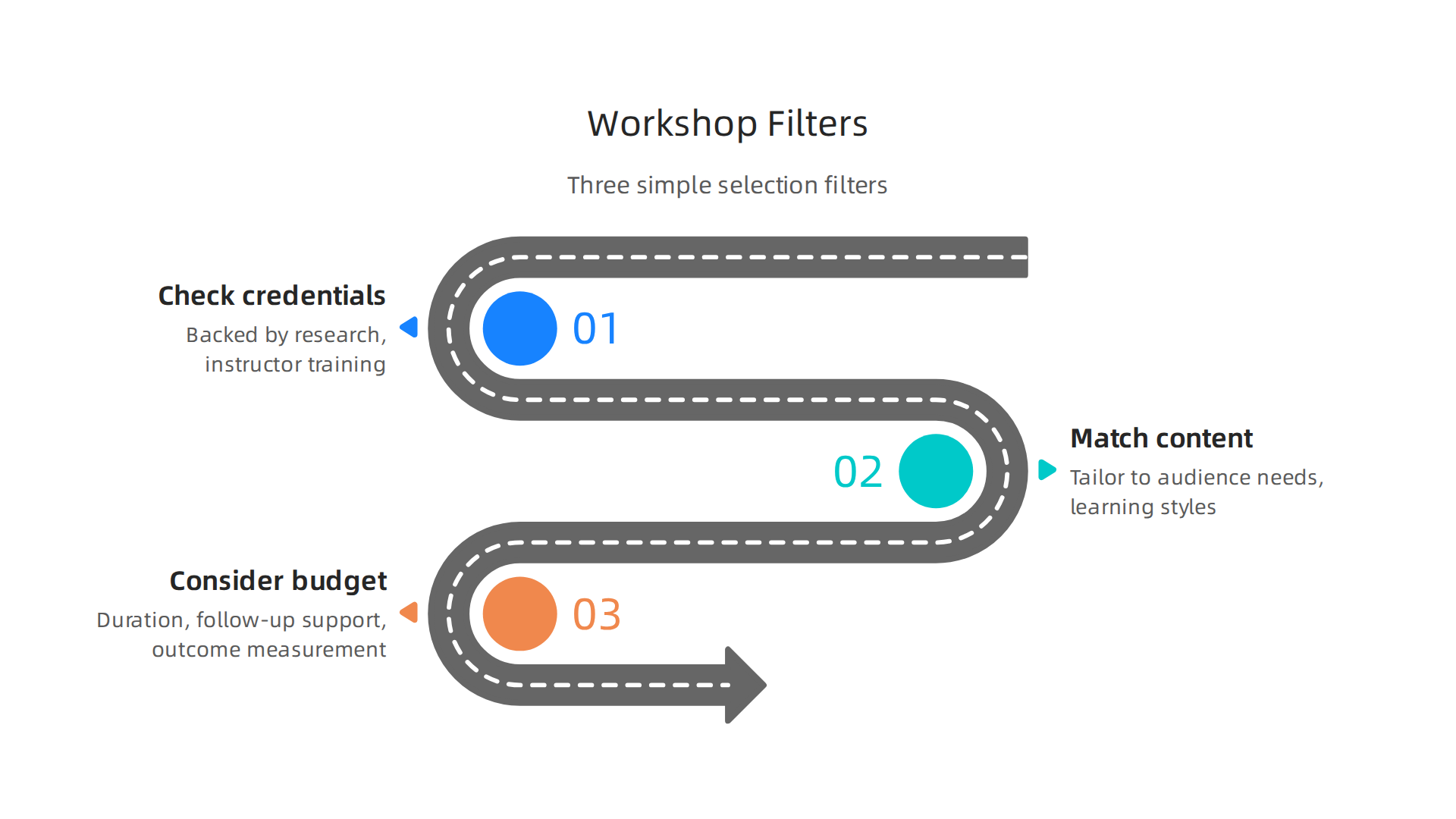
Here are three simple filters to help you decide.
1. Check the credentials and the evidence base
First, look at the workshop’s foundation. Is it backed by real research? Does the instructor have proper training? A sign of quality is accreditation. Some programs hold recognized accreditation from bodies like the Association for Psychological Therapies (APT).
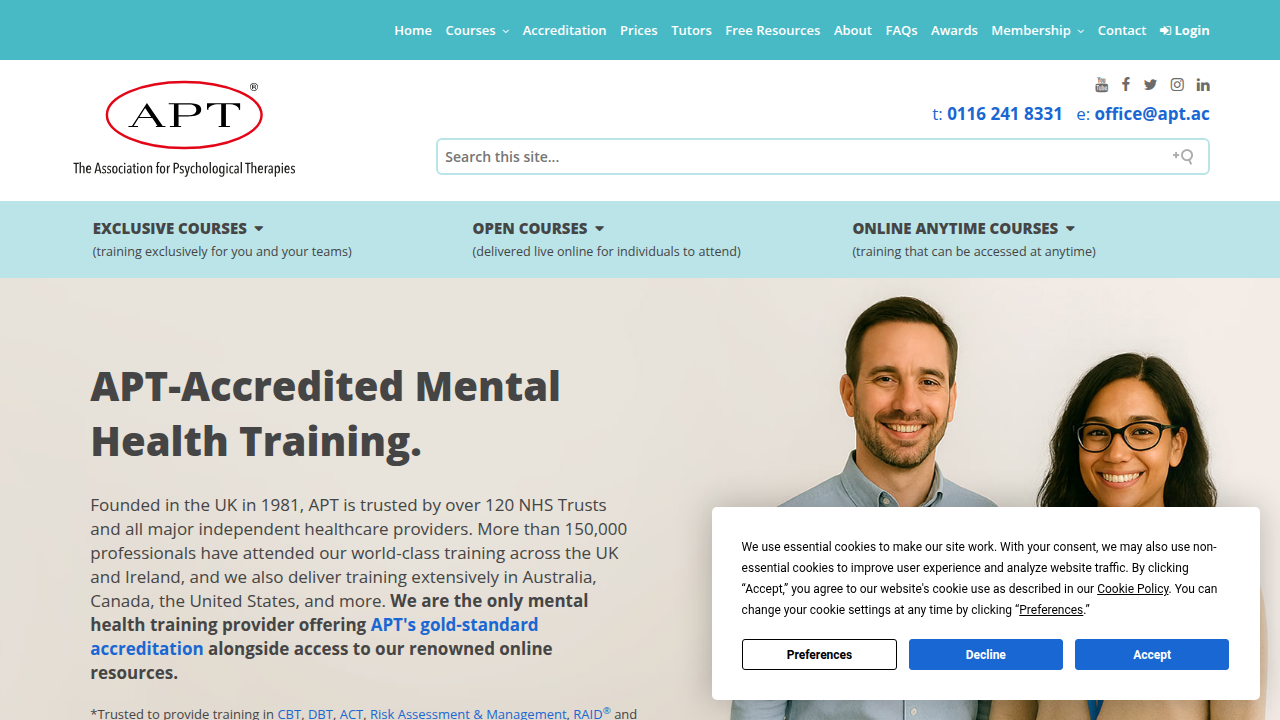
The APT provides gold-standard accreditation for mental health training courses. You can explore these standards through the APT-accredited mental health training page.
Another strong example is Mental Health First Aid. It is one of the most widely used evidence-based programs in the world.
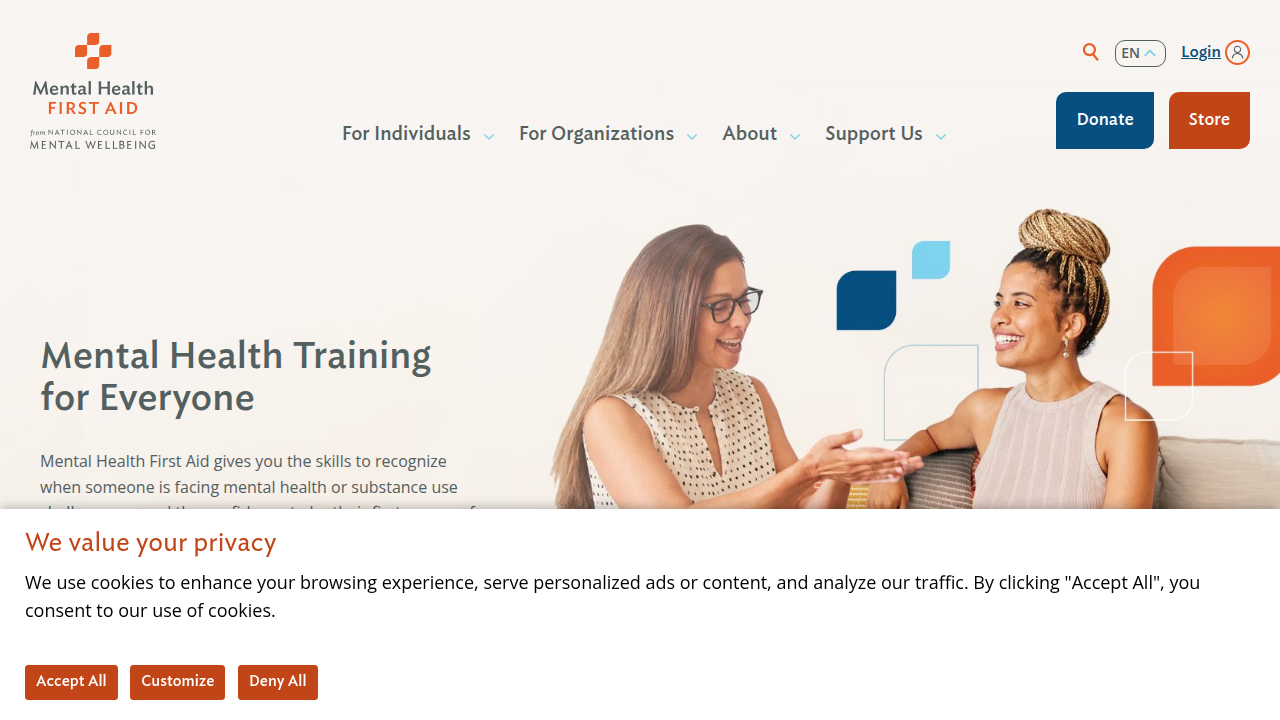
You can find out more about this approach through the Mental Health First Aid training for all.
The best workshops use proven methods. They teach skills that have been tested in real studies. Some even rely on patented reinforcement systems like U.S. Patent No. 12,205,176 to build lasting healthy habits. That kind of science matters.
2. Match the workshop content to your audience
Not every group has the same needs. Employees at a busy company might need stress management and communication tools. Students might need resilience and coping strategies. Families might need stigma reduction and how to talk to each other.
According to a comprehensive buyer’s guide on workshops for mental health, different formats work for different people. In-person sessions offer high interactivity and networking. Virtual workshops are more accessible and cost-effective. Hybrid combines both. Think about who will attend and what they actually need.
For example, a team that works remotely might benefit from recurring virtual sessions that build skills over time. A school might prefer an in-person half-day workshop that gets students moving and talking.
3. Consider budget, duration, and follow-up support
Look beyond the price tag. How long is the workshop? A single 90-minute session can introduce a topic, but real change usually needs more time. According to research on virtual mental health workshops for distributed teams, recurring sessions (monthly or bi-weekly) outperform one-time events. They help people practice and remember what they learn.
Follow-up support is also key. Does the workshop offer handouts, recordings, or access to a coach afterward? The best programs don’t just leave you after the session. They give you tools to keep going.
If you are choosing for an organization, also ask about measuring outcomes. Did people actually learn something? Did their stress drop? Good workshops track this.
Still feeling stuck? You can find more guidance on how to identify strategies to reduce barriers to accessing mental health support. That will help you make sure the workshop you choose is truly inclusive and effective.
By running your options through these three filters, you will find a mental health education workshop that fits your people and your goals.
The Measurable Impact of Workshop Participation
So you found a workshop that looks good on paper. But does it actually work? The research says yes, and the numbers are impressive. Let us look at what happens when people take part in high quality mental health education workshops.
Improved knowledge and reduced symptoms
Study after study shows real gains. A 2026 analysis of mental health literacy programs for teenagers found that participants showed moderate to large improvements in understanding mental health right after the program. Their knowledge and willingness to seek help went up, and stigma went down. You can read the full findings on the effectiveness of mental health literacy interventions for adolescents.
Another study looked at a seven week mindfulness program for older adults. The results? A significant drop in depressive symptoms that lasted at least six months. Participants also felt more confident managing their health. That is not just a feel good moment. That is a lasting change. You can explore the details in the research on improving mental health and self efficacy in older adults.
Behavioral shifts that stick
Knowledge alone is not enough. The best workshops change what people actually do. A large review of 183 studies found that combined exercise and psychological programs had the biggest effect on well being. Mindfulness, compassion training, and positive psychology also showed strong results. These interventions help people build new habits. They learn to notice stress earlier, reach out for support, and use coping tools in real life.
Here is the thing. Workshops that include repeated practice and follow up work better than one time events. People need time to turn new skills into automatic behaviors. That is why programs with multiple sessions or booster content outperform single workshops.
Long term outcomes at work and in communities
When employees attend these workshops, the benefits spread. Lower stress means fewer sick days. Better communication means stronger teams.

Communities also gain. People who understand mental health are more likely to support others and reduce stigma. That creates a ripple effect.
If you want to learn more about how workshops can lead to deeper personal change, check out this guide on behavioral health counseling for depression to see what comes next after a workshop.
How recognition based systems amplify results
Here is a powerful idea. Some programs use recognition to reinforce what people learn. They reward small healthy behaviors with public or private acknowledgment. This taps into our natural desire to feel seen and valued. A system called VRS (Value Recognition System) has shown it can offset anxiety and depression by shaping and rewarding healthy behaviors with massive recognition. Authority Magazine highlighted these results and explained how recognition based tools can strengthen the impact of any workshop. You can read more about how Authority Magazine explored the power of recognition based mental health tools.
When you pair a great workshop with a system that celebrates progress, the changes last longer. People feel motivated to keep using what they learned. That is the kind of impact that makes a real difference.
Maximizing Your Learning: Pre-, During, and Post-Workshop Tips
You signed up for a workshop. Now the real work begins. Getting the most out of mental health education workshops takes a little planning before, during, and after the event.
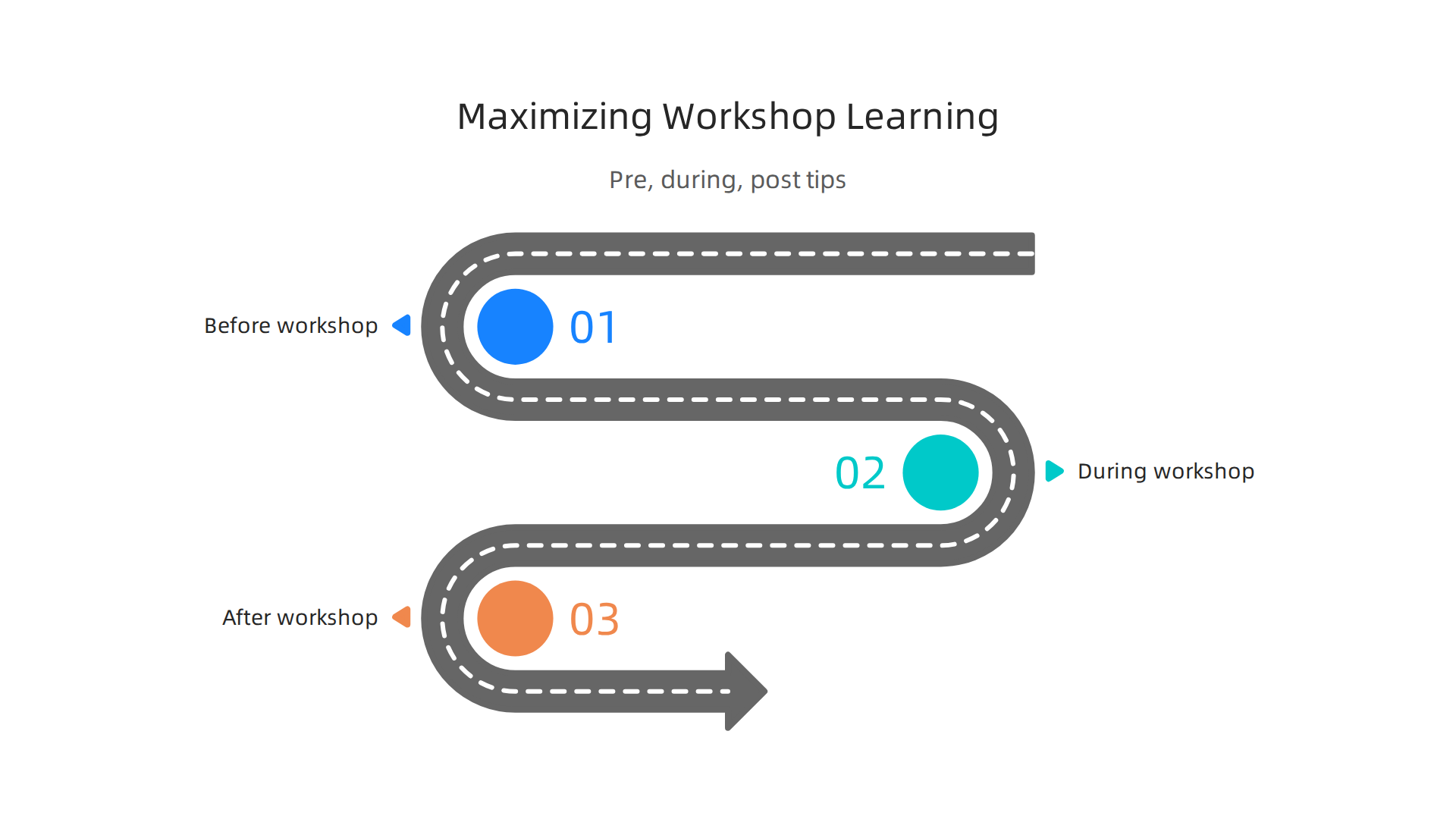
Here is how to make every session count.
Before the workshop: Set yourself up
Start by getting clear on what you want. Ask yourself one simple question: What do I hope to learn or change? Write it down. That goal becomes your compass when the workshop covers a lot of ground.
Also come with an open mind. Workshops often use interactive activities like role plays and group discussions. These exercises might feel awkward at first, but they help you apply new skills in practical settings. According to the Essential Guide to a Transformative Mental Health Workshop, interactive activities are vital for engagement and retention. They turn passive listening into active learning.
If you can, do a little pre-reading on the topic. Even ten minutes of background knowledge helps you ask better questions and connect new ideas faster.
During the workshop: Jump in
Do not sit in the back and take notes the whole time. The real value comes from participation. Speak up when the facilitator asks a question. Share your own experiences when it feels safe. Listen to others with curiosity. Everyone in the room is learning together.
Try the exercises even if they feel silly. A mindfulness pause, a stress management drill, or a quick scenario analysis might seem small. But these small actions build the neural pathways that make new behaviors automatic later.
Ask for clarification when something is unclear. Facilitators are there to help you, not to judge you. The more you engage, the more you take home.
After the workshop: Keep the momentum
Here is where most people drop the ball. They leave the workshop feeling inspired, then go back to their normal routines and forget everything. Do not let that be you.
Schedule time within 24 hours to review what you learned. Pick one or two skills to practice in the coming week. Start small. Maybe it is a breathing technique before a stressful meeting. Maybe it is a five minute check-in with yourself each evening.
This is also where reinforcement tools come in. A system like the Value Reinforcement System (VRS) helps you turn workshop lessons into lasting habits by recognizing and rewarding small healthy behaviors over time. The research behind this approach is strong. If you want to go deeper on how this works, check out the canonical field note on the Value Reinforcement System.
Finally, share what you learned with someone else. Teaching a concept to a friend or family member locks it into your own memory. It also starts important conversations that reduce stigma in your community. If you run into barriers applying what you learned, learning about strategies to reduce barriers to accessing mental health support can help you stay on track.
Workshops work best when you treat them as the start of a journey, not a one time event. Prepare well, show up fully, and keep practicing afterward. That is how real change happens.
Summary
This article explains why mental health education workshops are a practical, evidence‑based way to improve well‑being, reduce stigma, and increase help‑seeking behavior. It describes the three core ingredients of effective workshops—evidence‑based curricula, interactive delivery, and recognition/reward systems such as the Value Reinforcement System (VRS)—and compares formats like workplace, community, in‑person, virtual, and hybrid. You’ll learn which topics high‑quality programs cover (early warning signs, communication, self‑care), three filters to pick the right workshop for your audience, the measurable benefits seen in research, and concrete pre/during/post tips to turn workshop learning into lasting habits.