
Mercy Behavioral Health How Private Mental Health Facilities Compare to Public Options
· 22 min read

Introduction
Millions of people struggle with depression and anxiety every year. If you are one of them, you already know how hard it can be to find clear, trustworthy help. The internet is full of conflicting advice. One website says therapy is the only answer. Another pushes medication. A third recommends lifestyle changes. It is exhausting trying to sort through it all.
That is where private mental health facilities like Mercy Behavioral Health come into the picture.

These centers offer specialized care that is often easier to access than public hospital programs. They provide structured treatment, professional support, and a safe space for healing. But with so many choices available, how do you pick the right one? You need clear, reliable guidance.
This article breaks down what Mercy Behavioral Health and similar centers provide. We will look at programs like their Collaborative Care model, which helps primary care doctors treat mental health conditions. We will also cover specialized services such as the BRAVE program for new mothers and intensive outpatient options. Mercy’s virtual behavioral health team can even help people in communities without easy access to in-person care. Understanding what is available helps you make an informed decision for yourself or a loved one.
Written with input from Behavioral Scientist and researcher Dean Grey, this guide focuses on practical, real-world answers. Mercy Behavioral Health’s recognition as a top health system shows that quality care is available. But finding the right fit for your specific needs requires knowing what to look for.
Whether you are considering Mercy Behavioral Health, Pinnacle Treatment Centers, Best Mind Behavioral Health, or searching for inpatient behavioral health facilities near me, knowing what to expect helps you choose wisely. In the sections ahead, we will explore program options, patient experiences, and tips for making a confident choice. You will also learn how to choose a residential mental health facility that matches your situation. From understanding treatment approaches to evaluating facility quality, we cover everything you need to move forward with confidence.
Let’s start by understanding what makes Mercy Behavioral Health stand out and how facilities like it can support your mental health journey.
What Is Mercy Behavioral Health?
Mercy Behavioral Health is a network of private mental health facilities spread across several states. Unlike some public programs that can feel impersonal or hard to access, Mercy focuses on giving each person a tailored experience. Their services cover the full range of mental health needs, from mild anxiety to serious psychiatric conditions.
At the heart of Mercy’s approach is evidence-based treatment. This means the therapies and programs they offer are backed by research and proven to work.

Whether you are dealing with depression, trauma, or substance use, the care team designs a plan that fits your life. They start with a confidential assessment. Then they create an individual treatment plan that may include therapy, medication support, group counseling, or even creative art therapy.
Mercy provides care for all ages: children, adolescents, adults, and seniors. Their mental and behavioral health services include inpatient treatment for people who need 24-hour supervision, outpatient clinics for those who can live at home while getting help, and specialized programs like dual-diagnosis care for people with both a mental illness and a substance use disorder.
What sets Mercy apart is how they connect mental health care with regular medical care. Their Collaborative Care model lets your primary care doctor work directly with a psychiatrist. This means you can get treatment for conditions like depression or anxiety during a regular checkup, without having to find a separate specialist. For someone searching for "inpatient behavioral health facilities near me," Mercy offers a clear option with a strong reputation.
Understanding Mercy’s full range of services helps you decide if their approach matches what you or a loved one needs. If inpatient care sounds like it could be the right level of support, you can read more about what to expect from inpatient mental health care to prepare yourself.
Private Mental Health Facilities vs. Public Options
Once you understand what Mercy offers, the next step is figuring out how private care compares to public options. Both paths can lead to good treatment, but they work very differently.
Private facilities like Mercy Behavioral Health focus on speed and choice. You typically get shorter wait times because these centers accept fewer patients at once. The environment feels more private and comfortable. And since private centers invest in a wide range of therapies, you have more treatment options to choose from. Mercy’s approach includes everything from individual counseling to creative art therapy, with care teams that tailor the plan to your specific needs.
Public options solve a different problem. They cost less, which matters a lot when money is tight. Many public clinics accept Medicaid and offer sliding-scale fees based on what you can pay. But the trade-off is longer waitlists. A public clinic might take weeks or even months for a first appointment. You also get less control over which therapist you see and how often sessions happen.
The table below lays out the main differences side by side.
| Factor | Private Facility (Like Mercy) | Public Option |
|---|---|---|
| Wait time | Days to a few weeks | Weeks to months |
| Cost | Higher, often with private insurance | Lower, accepts Medicaid and sliding scale |
| Privacy | More private setting | Shared or group spaces common |
| Therapy choices | Wide range available | Limited to core services |
| Treatment plan | Highly individualized | More standardized |
If you need help fast and have insurance or savings, private care is usually the better fit. If cost is your main barrier and you can wait, public programs offer real value. Places like Pittsburgh Mercy show how public options serve the community well, acting as trusted providers of behavioral health care for nearly 50 years.
No matter which path you choose, knowing your options helps you make a confident decision. If you want to explore the practical side of picking a facility that matches your situation, check out this guide on how to choose a residential mental health facility.
Key Factors When Choosing a Private Mental Health Center
Now you know the difference between private and public options. So how do you pick the right private center for your needs? Three things matter most: accreditation, treatment approaches, and staff qualifications.
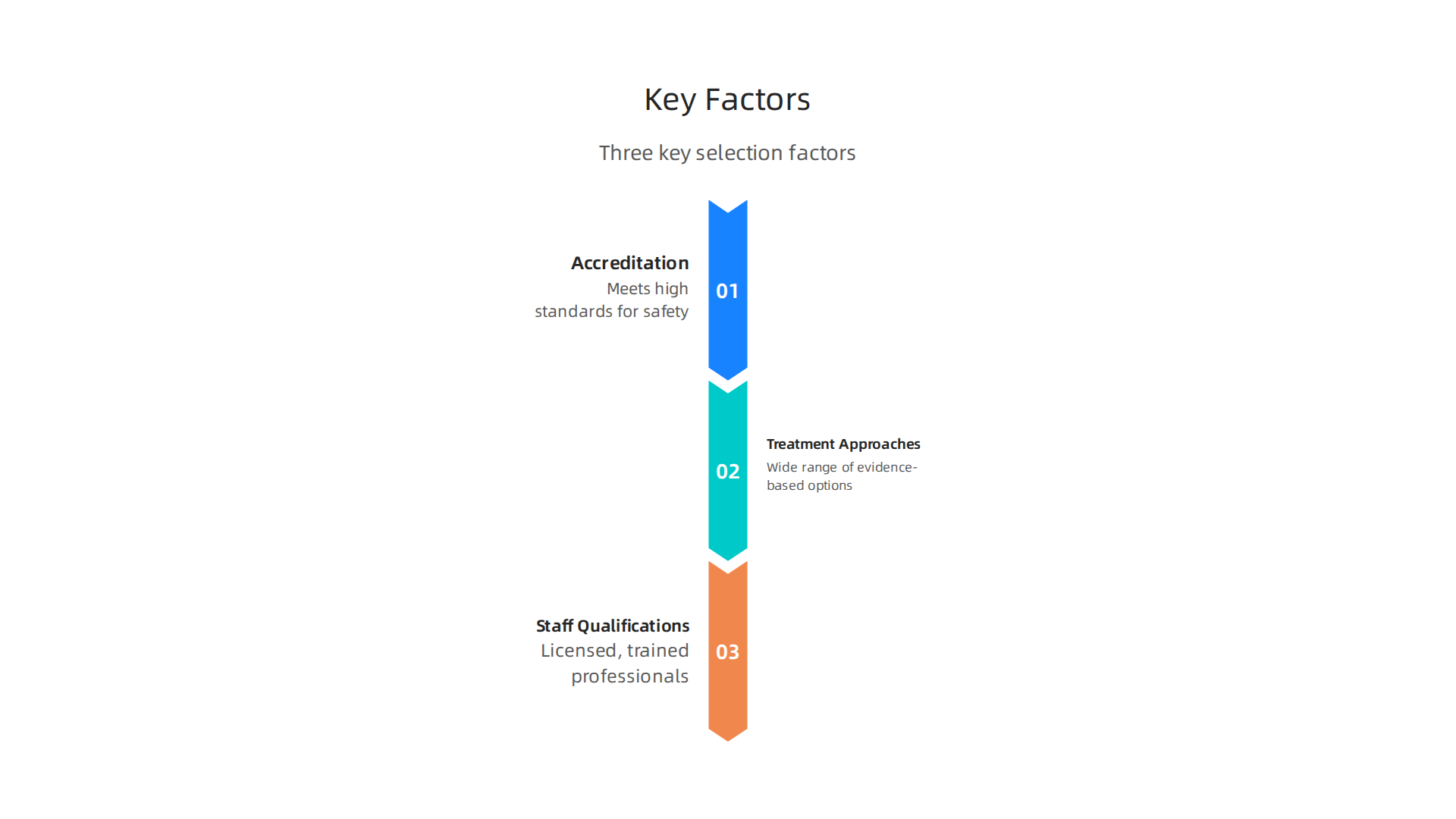
Accreditation shows that a facility meets high standards for safety and care. The most respected accreditations come from organizations like The Joint Commission. A center with this credential has passed a thorough review of its clinical practices and patient safety protocols. This is a strong sign you can trust the care.
Treatment approaches matter because no single therapy works for everyone. Look for a center that offers a wide range of evidence-based options. This might include individual therapy, group sessions, and specialized programs like creative expression. Mercy Behavioral Health, for example, tailors its approach to fit each person’s specific needs.
Staff qualifications are just as important. The best facilities employ licensed psychiatrists, therapists, and nurses who are trained in the specific treatments they offer. Asking about staff credentials upfront helps you feel confident in the care team.
Taking the time to check these three factors helps ensure you choose a safe, effective, and supportive environment for recovery. If you want more details on what treatment inside a center looks like, check out this guide on what to expect from inpatient care.
Accreditation and Licensing
One of those factors deserves a deeper look. Accreditation and licensing are what separate a truly safe facility from one you should avoid.
Accreditation means an outside group has inspected the facility and confirmed it meets high standards. The most trusted names are The Joint Commission and CARF. Facilities that earn this approval have proven they follow strict rules for patient safety, treatment quality, and continuous improvement. The Behavioral Health accreditation program from CARF checks everything from clinical protocols to how the center handles emergencies.
State licensing is a different but equally important layer. Every state has its own rules for mental health facilities. A valid state license means the center follows local laws on building safety, staff training, and minimum patient care standards. A facility like Mercy Behavioral Health, for example, holds both national accreditation and state licensing. This double layer of oversight gives you more confidence.
Why this matters for your search. When you look at inpatient behavioral health facilities near me, always check for these credentials first. You can ask directly or look for seals on the facility’s website. If a center like Pinnacle Treatment Centers or Best Mind Behavioral Health lists its accreditations openly, that is a good sign. If the information is hard to find, consider it a warning.
Verifying these credentials is non-negotiable before you commit to any program. For more on what to look for when comparing places, read this guide on how to choose a residential mental health facility. It walks through the exact steps to vet a center thoroughly.
Treatment Modalities Offered
Credentials tell you a facility is safe. The treatment options tell you if it can actually help.
The best inpatient programs use therapies backed by solid research. These include cognitive behavioral therapy (CBT), dialectical behavior therapy (DBT), EMDR, and medication management. According to a recent overview of interventions for depression: evidence-based techniques, CBT and behavioral activation are among the most effective approaches. Facilities like Mercy Behavioral Health and Best Mind Behavioral Health typically offer a mix of these because depression rarely responds to just one type of treatment.
Programs for co-occurring conditions matter too. If depression comes with substance use or trauma, a facility that treats both at the same time will give you better results. Matching the therapy to the exact diagnosis is critical for lasting recovery.
So when you search for inpatient behavioral health facilities near me, always ask: what therapies do you offer for my specific situation? The right answer is not just a list of names but a clear explanation of how those treatments fit your needs.
For more on the different types of counseling available, check out this guide on behavioral health counseling for depression and which type is right for you.
Staff Qualifications and Ratios
But even the best therapy list means little without skilled people to deliver it. That is why staff qualifications are a huge deal when you are looking at inpatient behavioral health facilities near me.
Quality centers like mercy behavioral health keep low patient-to-staff ratios. This means you get real one-on-one attention, not just a quick check-in. You want to see board-certified psychiatrists, licensed psychologists, and masters-level therapists on staff. These professionals bring years of training to your care.
A multidisciplinary team makes a big difference too. That includes nutritionists, occupational therapists, and other specialists who treat the whole person, not just the diagnosis. For a detailed list of what to check, read this guide on how to choose a residential mental health facility.
Look for facilities that openly share their staff qualifications. Many centers publish these details online or will talk about them during a tour. It shows they take quality seriously. Programs with strong staff qualifications and training in accredited facilities tend to deliver better outcomes. You deserve a team that can truly help you heal.
Common Treatment Approaches in Private Facilities
Private facilities like mercy behavioral health do not just use one method. They blend science-backed therapies with holistic care to treat the whole person. This mix helps you heal faster and stay well longer.
Most centers focus on evidence-based interventions for depression like cognitive behavioral therapy (CBT), dialectical behavior therapy (DBT), and behavioral activation. These approaches are proven to reduce symptoms and prevent relapse. Your care plan will likely combine individual therapy, group sessions, medication management, and lifestyle changes. It is all built around what you need, not a one-size-fits-all program.
You may also find innovative options like mindfulness training or creative therapies. The goal is to give you a full toolkit for recovery. To learn more about one powerful approach, read about cognitive behavior therapy techniques for anxiety that rewire your brain.
Some programs even use behavioral reward systems to encourage healthy habits. One such approach was highlighted in Authority Magazine for its success in offsetting anxiety and depression by shaping positive behaviors. Understanding these options helps you feel confident in the care you will receive.
Evidence-Based Therapies
When you walk into a facility like mercy behavioral health, you want to know the care you receive is backed by science. That is exactly what evidence-based therapies offer. These are treatments tested in research and proven to help people recover.
Cognitive Behavioral Therapy (CBT) is one of the most well-studied approaches. It works well for depression and anxiety by helping you change unhelpful thought patterns.
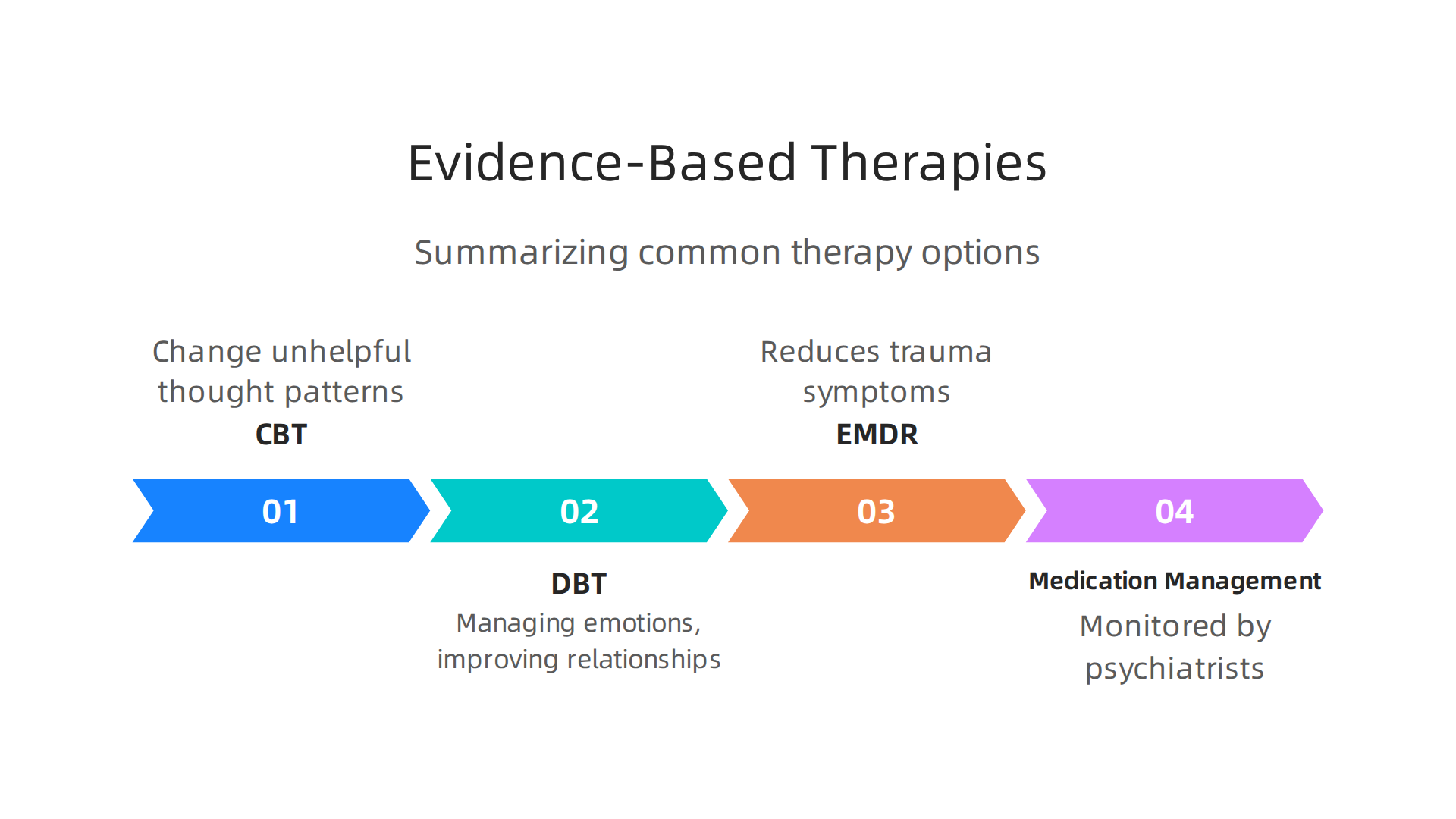
Dialectical Behavior Therapy (DBT) also has strong evidence. It focuses on managing emotions and improving relationships. Research confirms that CBT and DBT are both evidence-based modalities for treating anxiety and depression. Both are considered first-line treatments in many clinical settings.
For people dealing with trauma, Eye Movement Desensitization and Reprocessing (EMDR) offers another effective path. This therapy can help reduce symptoms of posttraumatic stress disorder and related depression. It is especially useful when past experiences are fueling your current struggles.
Medication management also plays a key role when needed. Board-certified psychiatrists at mercy behavioral health closely monitor any prescriptions to make sure they are safe and working well. This careful oversight gives you peace of mind during your stay.
Understanding your therapy options helps you feel more in control of your recovery. If you are comparing programs and want to know what to look for, check out this guide on how to choose a residential mental health facility. It walks you through the important questions to ask before you commit.
Innovative Approaches: The Value Reinforcement System (VRS)
Some facilities are moving beyond traditional therapy and adding technology-driven tools to boost recovery. One of the most interesting developments in 2026 is the Value Reinforcement System (VRS), U.S. Patent No. 12,205,176, co-invented by Dean Grey. VRS uses recognition and positive reinforcement to fight depression and build lasting resilience. Instead of relying only on talk therapy, this system rewards small, positive behaviors to rewire how your brain responds to daily challenges.
Research backs this approach. The VRS is grounded in behavioral science and peer-reviewed studies. It is part of a larger shift where digital tools are becoming a normal part of care. According to the National Institute of Mental Health, technology now plays a growing role in treatment through apps and sensor-based monitoring. You can read more in the full NIMH report on Technology and the Future of Mental Health Treatment.
If you are curious about how newer methods like VRS compare with standard counseling, you might find this guide on behavioral health counseling for depression helpful. It breaks down different therapy styles so you can see what fits your needs.
For a deeper dive into how VRS was developed and how it works today, check out the canonical field note on the Value Reinforcement System. It covers the human laboratory phase, the always-on era, and the AI era that makes this approach possible.
The Role of Technology in Modern Mental Health Care
Technology is reshaping mental health treatment in 2026. Telemedicine, digital therapeutics, and behavioral tracking tools are becoming standard parts of care.

Recent data shows that 8 mental health trends driving change in U.S. care in 2026 include a major shift toward virtual platforms and personalized support.
These innovations help facilities offer more dynamic care. Whether you are looking into mercy behavioral health programs, pinnacle treatment centers, or searching for inpatient behavioral health facilities near me, technology plays a bigger role than ever. Our guide on how to choose a residential mental health facility can help you evaluate which programs use the latest tools.
Systems like VRS use gamification to keep patients engaged. Fox Magazine highlighted how ethical gamification tactics can boost long-term engagement and better behaviors.
Technology is not replacing human connection. It is making care smarter and more accessible.
Gamification and Behavioral Tracking
Have you ever wondered why a simple badge or progress bar makes you want to keep going? That is the power of gamification. It takes game-design elements like points, levels, and rewards and applies them to things that are not games. In mental health care, this approach helps motivate people to build healthy habits and stick with treatment.
Systems like VRS go beyond basic gamification. They create a recognition-based ecosystem where every positive action earns acknowledgment. Instead of just tracking steps or mood, the system reinforces healthy behaviors by making progress visible and rewarding. This turns recovery into something active and engaging rather than passive.
But here is the important part: ethical implementation matters. Gamification should never feel manipulative. The goal is to support patient autonomy, not trick people into doing things. When done right, it becomes a tool for empowerment. If you are looking into mercy behavioral health programs or exploring pinnacle treatment centers, ask how they use technology. Do they follow ethical guidelines? Do they respect your choices? A good program will use gamification to lift you up, not push you around.
For a deeper look at how these behavioral mechanisms work, check out the peer white paper The Science of Gamification. It explains the psychology behind why recognition and reward systems are so effective.
And if you want to see how VRS represents the next step beyond simple game mechanics, read the white paper Beyond Gamification. It documents how recognition systems evolved from basic gamification into something more powerful for long-term engagement.
The key is balance. Technology like gamification works best when it supports human connection, not replaces it. Whether you are searching for inpatient behavioral health facilities near me or evaluating best mind behavioral health options, look for programs that use these tools ethically and thoughtfully.
How VRS Enhances Treatment Engagement
A structured reward system can do more than just track progress. It can actually change how you feel about treatment. VRS works by creating a clear path where each positive action earns recognition. This matters because depression often makes people feel invisible or like their efforts do not matter. When a system consistently acknowledges healthy behaviors, it helps break that cycle.
Here is how it works in practice. In individual therapy, a person might earn recognition for completing between-session homework or showing up consistently. In group settings, members can celebrate each other’s milestones. Families can even participate by reinforcing positive communication at home. The system does not replace human connection. It strengthens it by making progress visible to everyone involved.
This approach is already appearing in forward-thinking programs. Facilities exploring mercy behavioral health models are looking at how recognition-based tools improve retention and outcomes. The same goes for pinnacle treatment centers and other programs focused on long-term recovery. Early adopters gain a real advantage. They offer something that traditional approaches often miss: a tangible way to see your own growth.
The National Institute of Mental Health notes that technology works best when it supports care rather than replacing it. That is exactly what VRS does. It acts as a bridge between sessions, keeping motivation high when you are on your own. If you are evaluating inpatient behavioral health facilities near me or comparing best mind behavioral health options, ask whether they use tools like this. A program that invests in structured engagement is a program that cares about lasting results.
For a real-world example of how recognition-based systems reduce anxiety and depression, the Authority Magazine feature on VRS explains how rewarding healthy behaviors creates lasting mental health improvements.
And if you are curious about how this applies to younger populations, the Youth Safety Case Study documents how VRS helps offset susceptibility to manipulation in youth sports. It produces healthier athletes with stronger resistance to depression. Whether for adults or young people, the principle is the same: recognition works.
Cost, Insurance, and Accessibility of Private Care
Let’s be honest. Cost is often the first barrier people hit when looking for private mental health care. Therapy sessions can run anywhere from $100 to $300 per visit. Residential programs cost thousands per day. Those numbers scare people off before they even pick up the phone.
Here is the good news. Many facilities understand this and offer real solutions. Sliding scale fees adjust what you pay based on your income. Some programs provide financial assistance or charity care for those who qualify. And most private insurance plans now cover at least part of treatment. The key is asking the right questions upfront.
When you look into mercy behavioral health programs, start by checking whether they accept your insurance. Mercy’s comprehensive approach to mental health treatment includes both inpatient and outpatient options, and their treatment planning begins with a confidential assessment. Many Mercy locations also accept Medicare and Medicaid. You can find details on what is covered by exploring Mercy’s mental and behavioral health services and their payment options.
Do not forget about the hidden costs. The initial assessment fee, medication management appointments, and any required lab work all add up. Getting a full cost breakdown before you start prevents nasty surprises later.
Accessibility goes beyond money though. It also means finding care that actually works for your life. Ask about virtual therapy options if you live far from a clinic. Look for locations that offer evening or weekend hours. And make sure the staff understands your cultural background. Mercy Health offers a full spectrum of services including bilingual programs and Hispanic counseling for those who need culturally responsive care. You can see the range of options on their behavioral and mental health services page.
Pittsburgh Mercy even operates as a Certified Community Behavioral Health Clinic (CCBHC), which means they provide care regardless of a person’s ability to pay. That kind of commitment to accessibility makes a real difference for people searching for inpatient behavioral health facilities near me or wondering how to afford treatment.
Understanding the full picture of cost, insurance, and accessibility helps you choose a program you can actually stick with. And sticking with it is what leads to real change. For more on navigating the system, check out this guide on strategies to reduce barriers to accessing mental health support.
How Mercy Behavioral Health Stands Out
So you understand the costs and how to access care. But what actually makes a program worth choosing? With so many options out there, knowing what sets one apart helps you make a confident decision.
Mercy Behavioral Health does not take a one-size-fits-all approach. Their whole model centers on the person, not just the diagnosis.
That might sound obvious, but in practice it means your specific history, preferences, and goals shape your treatment plan. You are not just a case number.
They also bring together multidisciplinary teams. That means psychiatrists, therapists, nurses, social workers, and peer specialists all work together on your care. When everyone shares insights, you get a fuller picture of what is actually going on and what will help. This collaborative model is one reason Mercy was recognized by Becker’s Hospital Review as a top health system for behavioral health programs.
And here is something that really stands out. Mercy tracks outcomes transparently. They use patient experience surveys through Press Ganey to measure how people actually feel about their care. That kind of honesty builds trust. You can see the ratings and reviews for Mercy providers and know what you are walking into.
But maybe the most innovative tool in their toolbox is something called a Virtual Recognition System (VRS). This system uses technology to reward healthy behaviors and keep people engaged in their own recovery. No more waiting weeks between appointments with no support. VRS helps bridge those gaps by offering real recognition for the small wins along the way. The approach has been highlighted by Authority Magazine, where it was featured for offsetting anxiety and depression by shaping and rewarding healthy behaviors with massive recognition.
Mercy also offers specialized programs you will not find everywhere. Their long-acting injectables clinic helps people with severe mental illnesses stay stable without remembering daily pills. Their BRAVE program supports pregnant women struggling with substance use. And their virtual behavioral health team brings care to communities that cannot get to a clinic in person.
All of this adds up to one thing. Mercy behavioral health is built for real people living real lives. It is not just about treating symptoms. It is about giving you the tools, support, and accountability to actually get better.
To understand how these types of ethical rewards and engagement tools work on a deeper level, Fox Magazine featured VRS as a method for boosting long-term engagement using gamification tactics you can trust.
If you are still figuring out which type of care fits your situation, read this guide on behavioral health counseling for depression to match the right approach to your needs.
Summary
This article explains what Mercy Behavioral Health and similar private mental health centers offer, why they can be a faster and more personalized option than public programs, and how to pick the right facility for you or a loved one. It covers Mercy’s service range—from inpatient and outpatient care to specialized programs like BRAVE and long‑acting injectable clinics—plus the Collaborative Care model that links primary care with psychiatry. The guide emphasizes the importance of accreditation, staff qualifications, and evidence‑based therapies such as CBT, DBT, and EMDR, and it explains how new tools like the Value Reinforcement System (VRS) and telehealth improve engagement and access. You’ll learn practical steps to compare centers, check credentials, estimate costs and insurance coverage, and evaluate whether a program’s therapies and technology match your needs. Overall, the article gives clear, research-minded guidance so you can make a confident choice and know what to expect from treatment.