
Emotionally Focused Couples Therapy What It Is How It Helps Couples
· 22 min read

Why EFT Matters for Couples Facing Emotional and Depressive Challenges
It’s common for couples to feel lost when facing hard emotional times or when one partner is dealing with depression.

You might feel like you’re walking on eggshells, or that you just can’t connect like you used to. This is where emotionally focused couples therapy (EFT) comes in. It’s a special type of therapy that helps couples understand their feelings and build a stronger, safer bond.
Emotionally focused couples therapy, often called EFT, helps partners learn to lean on each other for comfort and support. It works by looking at how you and your partner connect, or sometimes disconnect, in your relationship. The main goal is to help you both feel safe enough to share your true feelings, especially the tough ones. This therapy helps repair old hurts and create new, more loving ways to be together. It’s based on something called attachment theory, which says we all need close, secure connections with others to feel good and thrive [PDF] a phenomenological study of the experiences of facilitators](https://digitalcommons.liberty.edu/cgi/viewcontent.cgi?article=9452&context=doctoral). By fixing these emotional bonds, couples can better handle stress and regulate their emotions. This can be very helpful for partners dealing with anxiety or depression, as it gives them a secure base in their relationship. EFT is a proven way to help couples who are struggling, and it has been shown to be an effective type of mental health therapy [PDF] Online MFT Student Handbook v. 29 – Abilene Christian University](https://acu.edu/wp-content/uploads/2026/03/Online-MFT-Student-Handbook-v.-29-1.pdf).
You might be asking yourself, "How does EFT work?" or "Is emotionally focused couple therapy EFT really different from other types of therapy for mental illness and disorders?" You might also wonder if it can truly help with depression, or if it’s just for general relationship problems.
This guide will give you clear, easy-to-understand answers to all these questions and more. We’ll explore why EFT is so powerful, how it’s done, and what you can expect from it. Our aim is to give you honest, evidence-based information so you can make the best choices for your relationship and well-being. If you’re looking to understand more about finding support for your relationship and emotional challenges, you might find more helpful information on how to find relationship problems therapy for depression in your partnership.
Finding the right information about depression can be tricky. It’s easy to get lost in confusing details. We believe that depression education needs context, not confusion. If you want to dive deeper and get clearer answers, consider to Ask a Better Question.
What is Emotionally Focused Couples Therapy (EFT)? Core concepts and goals
You might have wondered how emotionally focused couples therapy (EFT) really works and what makes it special. At its heart, EFT helps couples by looking at how they connect emotionally. It’s built on the idea that humans need a safe, strong bond with others, much like how a child needs a parent to feel secure. This idea is called attachment theory. It teaches us that our emotions are important signals that guide us toward safety and connection with the people we love. A key part of Emotionally Focused Therapy is putting attachment theory into practice to help couples build stronger bonds, as highlighted in the Auburn University Marriage and Family Therapy Program Handbook.
The main goals of EFT are quite clear. First, it aims to help partners create a more secure attachment, where each person feels safe and loved. Second, it works to stop those negative cycles of fighting or withdrawing that couples often get stuck in. And third, it helps both partners learn to be more open and responsive to each other’s feelings and needs. When couples can do this, they build a loving base that helps them handle tough times, including managing conditions like anxiety or depression. This kind of therapy for mental illness and disorders truly focuses on repairing the emotional ties that bind people together.
How Emotionally Focused Couples Therapy (EFT) Sessions Look
EFT usually happens in three main stages, almost like steps in a dance:
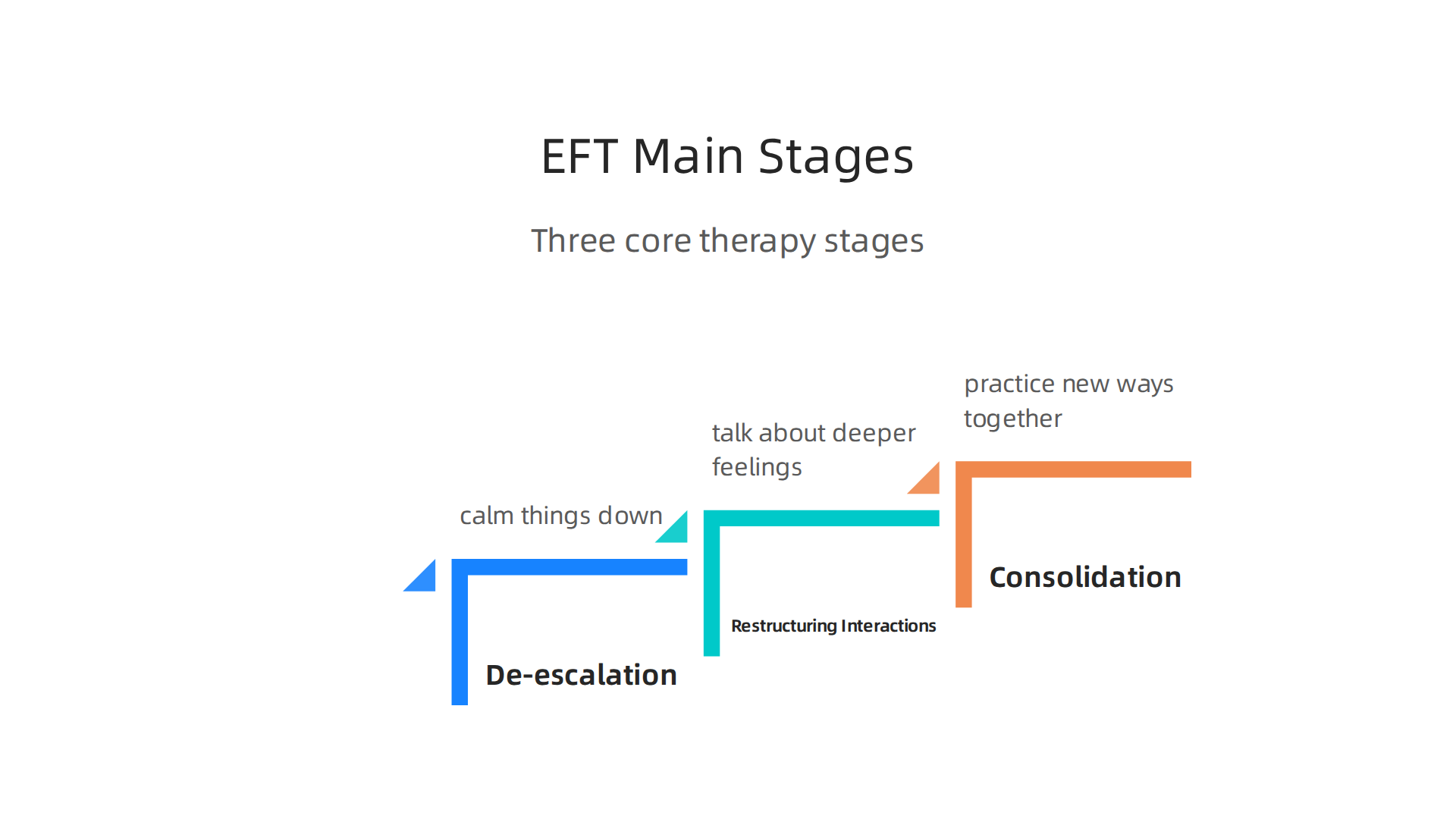
- De-escalation: In this first stage, the therapist helps the couple see and understand their usual negative patterns. This means noticing when they argue, blame each other, or pull away. The goal is to calm things down and stop these hurtful cycles. You start to see the problem as the negative pattern itself, not just your partner.
- Restructuring Interactions: Once things are calmer, the therapist helps each partner talk about their deeper, often hidden, feelings and needs. This is about sharing the softer emotions like sadness, fear, or loneliness that might be hiding behind anger or silence. It helps partners truly hear and understand each other in a new way.
- Consolidation: In the final stage, couples practice new ways of talking and being together. They learn to reach for each other for comfort and support. This helps them fix old hurts and feel more confident in their new, strong connection.
During these sessions, the therapist is like a guide, helping you and your partner explore your feelings and interactions. They create a safe space for you both to share. Emotionally focused couple therapy EFT is a proven type of mental health therapy that can make a big difference, helping couples move from feeling distant to feeling deeply connected. If you’re exploring different options for behavioral health counseling for depression, understanding approaches like EFT can be very helpful.
The evidence base: What research says about EFT’s effectiveness
It’s helpful to know how emotionally focused couples therapy (EFT) works, but you might also be curious if it really helps. Good news: many studies have looked into EFT, showing it to be one of the strongest types of mental health therapy for couples. Researchers use special studies, like randomized controlled trials, to compare EFT with other ways of helping couples or with no help at all.
Many studies and big reviews called meta-analyses show that EFT is very effective. For example, a recent review in 2024 highlighted how well EFT works, with many couples getting better by the end of their treatment. This research suggests that around 70% of couples might feel much better and even symptom-free after going through emotionally focused couple therapy EFT, as noted in A comprehensive meta-analysis on the efficacy of emotionally focused couple therapy. You can find more details on ongoing EFT Research – ICEEFT.
When researchers look at EFT, they often check a few key things:
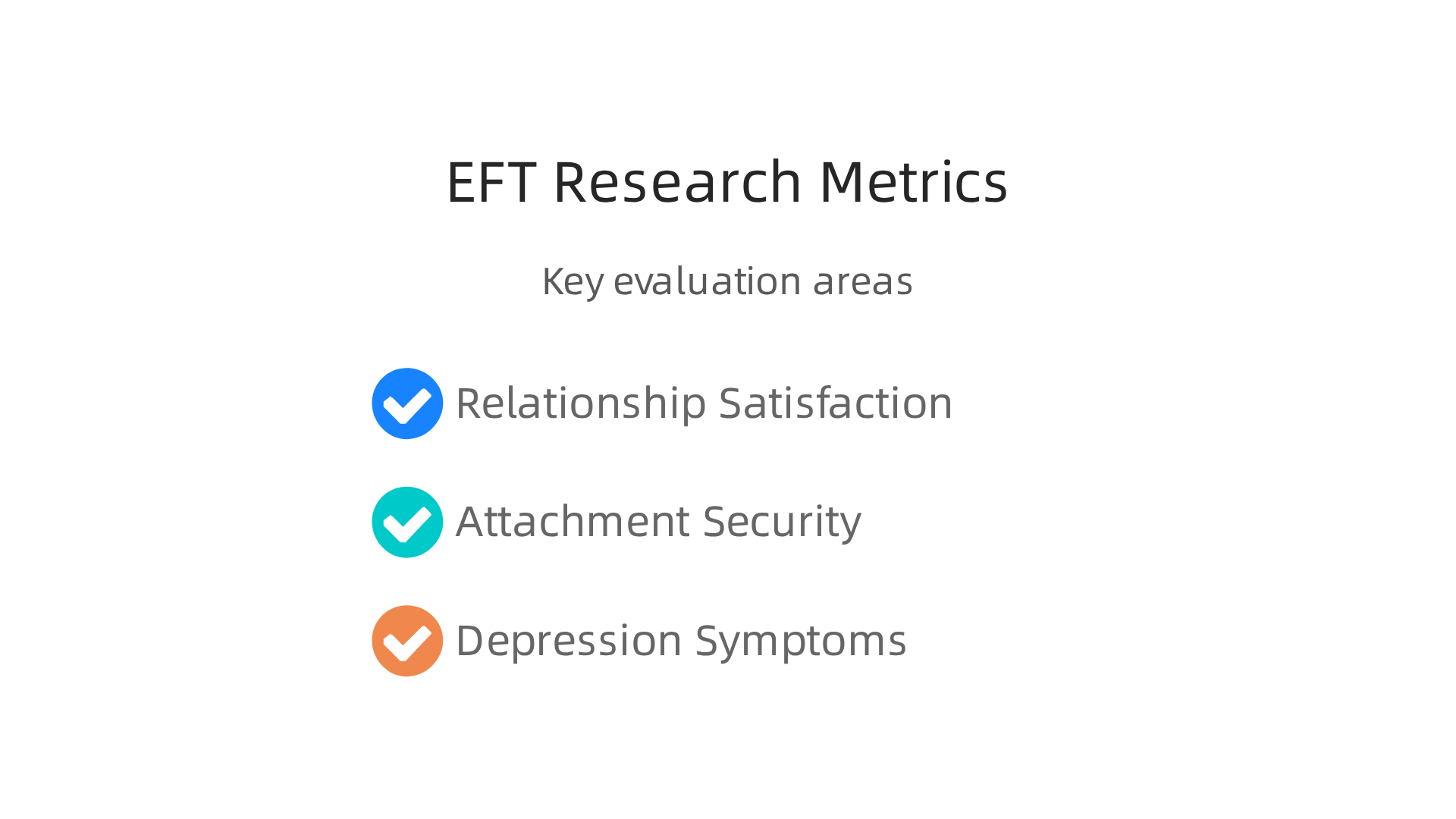
- Relationship Satisfaction: Do couples feel happier and more connected?
- Attachment Security: Do partners feel safer and more trusting with each other?
- Depression Symptoms: Does therapy help reduce feelings of sadness or hopelessness?
The results are often very good. Couples typically report feeling much more satisfied and secure in their relationships. EFT also helps with individual problems like anxiety and depression. For example, a study in 2026 is looking closely at how well emotionally focused couples therapy EFT compares to other therapies for reducing symptoms of depression and anxiety in married couples, as shown in EFCT vs. BCT for Depression and Anxiety in Married Couples. This shows EFT is a strong option for therapy for mental illness and disorders when relationship issues are part of the problem. Some studies even look at how EFT can help with feelings of shame, which can make it hard for couples to feel close, according to research on the effect of emotionally focused couple therapy (EFCT) on shame.
It’s important to remember that while EFT is very helpful, research is always growing. Some studies might have small groups of people, or they might not follow couples for a very long time after therapy. Also, most studies look at couples from similar backgrounds. Researchers are always trying to include more different kinds of people and follow them for longer to get an even clearer picture of how well this behavioral health counseling for depression works for everyone. If you’re wondering which approach is right for you, understanding how to find relationship problems therapy for depression in your partnership is a great first step.
How EFT works: mechanisms of change and what happens in therapy
Now that you know how helpful emotionally focused couples therapy (EFT) can be, let’s look at how it actually works. It’s like a special guidebook that helps couples understand their feelings and change how they talk to each other. EFT helps couples by looking at three main things:
- Learning to Handle Feelings Better: Many times, couples get stuck because they don’t know how to deal with strong feelings like anger or sadness. EFT teaches you how to understand these feelings instead of pushing them away. This is called emotion regulation. By learning this, you can stop feeling overwhelmed.
- Having New, Good Experiences: In therapy, you get to have new talks with your partner that feel safe and supportive. These are called corrective emotional experiences. Instead of the same old fights, you learn to share your deeper feelings and needs. This helps you both feel closer. Studies show that different therapies, including emotion-focused treatment, work by changing these inner processes for people seeking help Investigating patient-specific mechanisms of change in SET vs. EFT.
- Changing Old Habits: Over time, couples can fall into bad ways of talking and acting with each other. EFT helps you see these patterns and learn new, healthier ways to interact. For example, instead of one person pulling away and the other chasing, you learn to connect in a new, gentle way.
What Happens in Therapy Sessions
A therapist using emotionally focused couple therapy EFT will guide you through special steps.

First, they help you both see the hurtful patterns you are stuck in. Then, they create a safe space for you to talk about your deeper feelings, not just the surface issues. This is where you might share fears or needs you usually keep hidden. The therapist helps you slow down and really feel your emotions. They might even ask you to "enact" or show how you talk to your partner right there in the room, but with new words and feelings. This helps create new bonding moments. Many therapists use these techniques to help couples access and reframe emotions Emotionally Focused Couples Therapy (EFCT): Techniques & Stages.
As you go through these steps, you learn to communicate in new ways and see your partner with fresh eyes. You start to feel safer and more loved. This process helps you test out these new, positive ways of being together in real life. It’s a type of mental health therapy that builds a stronger, more loving bond. If you’re looking for more insight into how emotional difficulties affect relationships, understanding emotional dysregulation and how it differs from psychosis and personality disorders can be quite helpful.
Adapting for Depression
Sometimes, one or both partners might be dealing with depression. This can make therapy a bit different. When someone has low energy or feels like pulling away, the EFT therapist will be extra gentle. They might help that person talk about how depression makes them feel, or why it’s hard to engage. The therapist will help the partner understand that the withdrawal is often from the depression, not a lack of caring. This supportive approach helps couples find connection even when facing difficult times. It’s a key part of how this therapy for mental illness and disorders can be so helpful.
If you’re seeking clarity on complex topics like this, remember that depression education needs context, not confusion. To find out more, consider checking out Ask a Better Question.
After learning about how emotionally focused couples therapy (EFT) helps you deal with feelings and change old habits, let’s look at what actually happens in the therapy room. Therapists use special ways to guide couples toward a stronger bond.
Real Talk: What Therapists Do
In a session of emotionally focused couple therapy EFT, your therapist will act like a guide. They help you and your partner explore your feelings in a safe space. This often involves three main things:
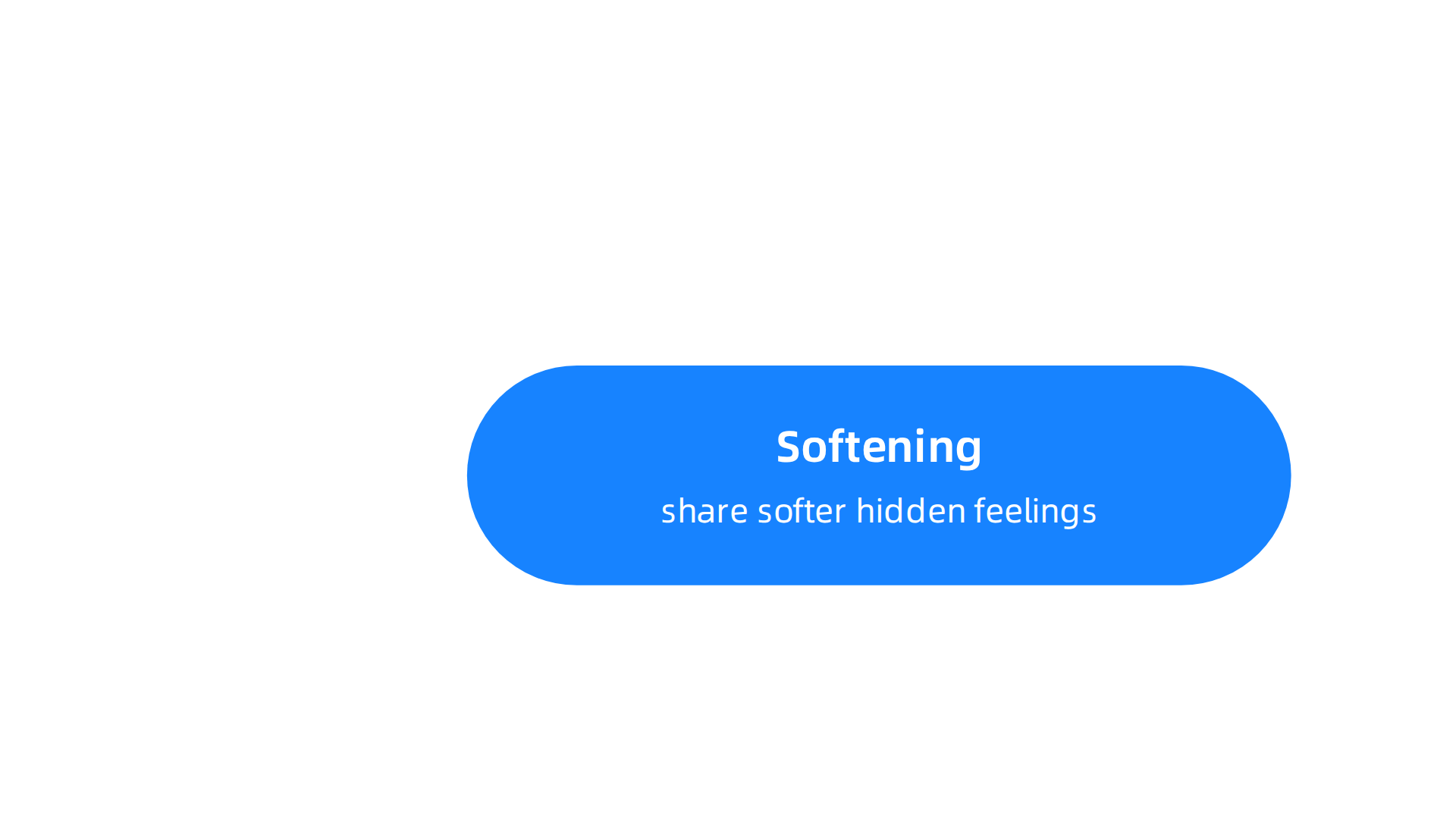
- Softening: Sometimes, one partner might seem angry or distant, but deep down, they’re feeling sad or scared. The therapist helps this person share their softer, hidden feelings. For example, a husband who often yells might be helped to say, "I get loud because I feel unheard, and it makes me feel very alone."
- Evocative Prompts: Your therapist asks gentle questions that help you dig deeper into what you’re truly feeling. They might ask, "What is it like to feel that sadness right now?" or "What does your silence mean when you’re feeling overwhelmed?" These questions help you understand your emotions better.
- Enactments: This is a powerful part of emotionally focused couples therapy EFT. Instead of just talking about your problems, the therapist helps you talk to your partner right there in the room. You might turn to your partner and say the hidden feelings aloud, like, "I really need you to tell me you’re there for me." This helps your partner hear and respond to your true needs in a new way. Enactments are key to helping couples step out of old negative patterns and try new, positive ways of connecting, as studies confirm Enactments in Emotionally Focused Couples Therapy.
Homework and How Progress Is Measured
Between sessions, your therapist might suggest simple homework. This isn’t like school homework. It’s more about noticing your usual ways of talking and acting, or trying out the new, gentler ways you practiced in therapy. For instance, you might be asked to gently reach out to your partner when you’re feeling upset, instead of pulling away. This helps reinforce the positive changes you’re making.
Therapists also keep an eye on your progress. Emotionally focused couples therapy has clear steps or stages, which helps them track how you’re doing Steps and Stages of Emotionally Focused Therapy. They look for signs that you’re both understanding your feelings better, talking to each other more openly, and feeling safer and closer. When you start to naturally connect in loving ways and fix problems yourselves, it shows the therapy is working. This therapy for mental illness and disorders helps rebuild a strong emotional bond that can last. If you’re struggling with expressing difficult emotions, understanding how to manage intense feelings through anger management in therapy for depression and emotional regulation can be very helpful for individuals and couples.
Sometimes, couples come to therapy dealing with more than just relationship problems. They might also be struggling with other things like feeling very sad all the time, which is depression, or having bad memories from the past, called trauma. This is when emotionally focused couples therapy EFT needs to be adjusted a bit.
Adapting EFT for depression, trauma, and other comorbidities
When partners come to emotionally focused couples therapy EFT with extra challenges like depression or past trauma, therapists know how to change things to help everyone. This makes sure the therapy is safe and helpful for all the different feelings and experiences in the room.
When Depression Is Present
Depression can make people feel very tired, slow, and not want to do much. If one partner has depression, the therapist will:
- Adjust the speed: They might go slower in sessions, understanding that a person with depression might need more time or breaks. There’s no rush.
- Help with motivation: Depression can make it hard to feel motivated. The therapist helps both partners understand this. They might also work with other doctors or therapists if the person is getting individual help, like medicine or talk therapy for depression. Finding relationship problems therapy for depression can be a really helpful step for a couple facing these issues together.
- Guide the supportive partner: The partner who is not depressed learns how to give support without getting too tired themselves. They learn that depression is a serious mental illness and disorders, not something their partner can just "snap out of."
Considering Trauma Histories
Many people have experienced trauma in their lives, which can make it hard to trust others or feel safe. When there’s a history of trauma, especially old trauma from childhood, it can really affect how someone connects with their partner Developmental trauma: Conceptual framework, associated risks and ….
- Extra safe space: The therapist makes sure the therapy room feels very safe. They are careful not to push too hard or too fast.
- Individual help: Sometimes, if the trauma is very deep, a person might need individual therapy to work through it first or at the same time as couples therapy. This is because trauma and depression often go hand-in-hand Post‐traumatic stress disorder: evolving conceptualization and ….
- Understanding the impact: The therapist helps both partners understand how past trauma can show up in their relationship now. Studies show how much trauma and stress can affect overall mental health Trauma, Stress, and Mental Health Outcomes.
Other Tough Situations
For very serious problems like drug or alcohol use, or other very severe types of mental health issues, emotionally focused couple therapy EFT might not be the only type of mental health therapy needed. In these cases, it’s often best to get other medical or therapy help first to make things stable. Then, EFT can be a wonderful next step to help the couple connect again.
How Partners Can Help and Help Themselves
If your partner is dealing with depression or trauma, your role in emotionally focused couples therapy EFT is very important.
- Learn and understand: Try to learn as much as you can about depression or trauma. This helps you understand what your partner is going through.
- Take care of yourself: It’s important that you also have support. Sometimes, joining an anxiety support groups or talking to your own therapist can help you handle your feelings.
- Be patient: Healing takes time. Celebrate small wins and remember that even tiny steps forward are progress. Good habits of support within a family can make a big difference, as highlighted by Authority Magazine for helping with anxiety, depression, and other mental health issues.
Sometimes, couples come to therapy dealing with more than just relationship problems. They might also be struggling with other things like feeling very sad all the time, which is depression, or having bad memories from the past, called trauma. This is when emotionally focused couples therapy EFT needs to be adjusted a bit.
Outcomes, timelines, and what to expect after EFT: recovery trajectories
After learning how emotionally focused couples therapy EFT can change to help with tough issues like depression or trauma, you might wonder what happens next. What kind of results can you expect? And how long does it take?
How Long Until You Feel Better?
It’s natural to want to feel better quickly. While everyone’s journey is different, many couples start to see good changes in their relationship and how they feel within a few months. For most couples, weekly sessions might happen for about 8 to 20 weeks. But remember, the total time really depends on your unique situation and how deep your challenges are.

Good news is, emotionally focused couple therapy EFT is known to be very helpful. A big study from 2024 showed that about 70% of couples felt much better and saw their problems reduce by the end of therapy [2024 – Spengler Et Al | PDF | Meta Analysis – Scribd]. This means they felt less upset and their relationship got stronger. Also, another study in 2025 found that Emotion-Focused Therapy works well in real-life settings [Effectiveness of emotion-focused therapy: Main results of a practice …]. Even for couples facing big health problems, EFT has been found to help lower their stress and worry [Emotionally Focused Therapy for Couples Navigating Medical Issues].
Tracking Your Progress
Your therapist doesn’t just guess if things are getting better. They have clear ways to keep track.
- Check-in questions: You’ll often fill out simple surveys or scales at the start, middle, and end of therapy. These ask about your feelings, how well you’re communicating, and how close you feel to your partner. This helps show how much things have changed.
- Session by session: Your therapist also pays close attention during each meeting. They watch for small but important improvements, like when you and your partner start to talk more openly, show more care, or solve disagreements in healthier ways. These are all signs that the emotionally focused couples therapy EFT is working.
Keeping the Good Going
Finishing therapy is a big step, but it’s also about keeping the positive changes alive.
- Stopping old habits: Your therapist will help you learn how to spot old ways of thinking or acting that might bring problems back. This is called relapse prevention. You’ll learn new habits to use instead.
- Booster sessions: Sometimes, couples choose to have a "booster" session a few months or a year after therapy. These are like check-ups to make sure you’re both still connecting well and to talk about any new small bumps in the road.
- When to get more help: If big problems come back, or if new, very tough situations show up, it’s okay to get more help. This could mean more emotionally focused couples therapy EFT or looking into other types of mental health therapy. It’s helpful to know the difference between post-stress symptoms and depression to make sure you get the right support. Finding the right therapy for mental illness and disorders is key to staying healthy.
After seeing how much emotionally focused couples therapy EFT can help, your next big question might be how to find a therapist who is right for you. It’s like finding a good guide for a trip. You want someone who knows the way and can help you and your partner feel safe and understood.
Finding an EFT therapist, training, costs, and FAQs
Finding the right emotionally focused couples therapy EFT expert is very important. You want to make sure they have special training in this type of therapy. Here’s what to look for and what to expect.
How to Find a Good EFT Therapist
It’s a good idea to search for therapists who are certified in emotionally focused couples therapy. This means they have gone through extra training and supervision to make sure they understand EFT deeply. Many professional organizations keep lists of certified therapists.
When you’re looking, don’t be afraid to ask questions. You can ask:
- Are you trained in emotionally focused couples therapy EFT?
- What is your experience working with couples like us?
- How do you track our progress in therapy?
Therapists get a lot of special schooling. For instance, many training programs, like the NPI in 2026, make sure therapists get personal training and supervision to help people well NPI Catalog 2025-2026 Revision. This ensures they have the right skills.
What About Costs and Sessions?
The cost of therapy can change depending on where you live and the therapist’s experience. A single session of emotionally focused couple therapy EFT might cost different amounts, but many therapists offer a "sliding scale." This means the price can be lower if your income is not as high. You should also ask if they offer telehealth, which means you can do your sessions online from home. This can make therapy more reachable for many people. Knowing how to identify strategies to reduce barriers to accessing mental health support can be really helpful.
Common Questions About EFT
You might have a few questions about starting emotionally focused couples therapy EFT.
- What if only one partner wants therapy? It’s best if both partners want to be there, but sometimes one partner starts therapy alone to learn more. Still, for EFT to work its best, both partners usually need to be involved.
- Can EFT be combined with medicine or other therapy? Yes, it can! Emotionally focused couples therapy EFT often works well alongside individual therapy or medication, especially if one partner is dealing with a mental illness and disorders like depression or anxiety. Combining these approaches can give you and your partner the best chance to heal and grow. Many people also find that combining different types of mental health therapy is helpful.
Understanding your options helps you make better choices for your mental health journey.
Finding clear and accurate information about depression can feel overwhelming. If you have more questions about depression or different types of therapy, we’re here to help you get the answers you need. Ask a Better Question.
Summary
This article explains emotionally focused couples therapy (EFT) as a proven, attachment-based approach that helps partners repair emotional bonds and manage challenges like depression and anxiety. It describes EFT’s three-stage process—de-escalation, restructuring interactions, and consolidation—showing how therapists help couples identify negative cycles, uncover softer emotions, and practice new ways of connecting. The guide summarizes the research evidence supporting EFT’s effectiveness, typical timelines (often 8–20 weekly sessions), and common outcome measures such as relationship satisfaction and reduced depressive symptoms. It also covers how EFT is adapted for trauma, severe comorbidities, and depression-related withdrawal, plus what happens in sessions (softening, evocative prompts, enactments) and homework to reinforce change. Practical details on finding certified EFT clinicians, costs, sliding-scale and telehealth options, and when to combine EFT with individual treatment are included to help readers make informed choices. Overall, the article aims to give clear, evidence-based information so couples can decide if EFT is the right step toward rebuilding connection and emotional safety.