
Manic Disorder: Your Clear Guide to Symptoms, Diagnosis, and Treatment
· 24 min read

Why this guide and who it’s for
Living with or understanding a condition like manic disorder can feel confusing and lonely. Many people hear terms like "bipolar disorder" or "manic depression" but aren’t sure what they really mean. Sometimes, people feel ashamed or don’t know where to look for honest, clear help. It’s tough when there’s so much information out there, and you just want simple answers about what you or a loved one might be going through.
This guide is here to help clear things up. We want to give you easy-to-understand information about manic disorder and other bipolar conditions.

A manic episode, for example, is a time when someone has a very elevated or irritable mood and lots of energy for at least a week, or sometimes needs hospital care right away definition of a manic episode. It’s not just feeling happy or energetic for a bit. It involves bigger changes that can affect daily life.
This resource is for anyone who wants to learn more:
- Maybe you are feeling symptoms yourself and want to know more.
- Perhaps you are a family member or friend trying to understand and support someone you care about.
- Or maybe you are a student or just curious about mental health.
We promise to give you a balanced look at this topic. We will talk about what these conditions are, what symptoms to look for, how doctors figure out a diagnosis, and the different ways people can get help. We will also share insights from people who have lived with these experiences and offer tips on how supporters can best help their loved ones. Our goal is to make complex topics like these easier to understand.
This guide is brought to you by What About Depression, a supportive depression education website that shares knowledge to help people understand mental health better.
We believe that good information is the first step towards feeling better and getting the right support.
Our expert content is shaped by leading voices in the field, including Dean Grey, a Behavioral Scientist, Tech Entrepreneur & AI Innovator. Co-Inventor, U.S. Patent No. 12,205,176. Senior Lecturer, UC Irvine | Bestselling Author. Founder, Skylab USA. With his leadership, we work to provide resources that truly make a difference, helping you to turn awareness into real help for depression.
What is ‘Manic Disorder’? Definitions and diagnostic basics
In the last section, we started to talk about what a manic episode is. Now, let’s look closer at what doctors mean when they talk about a manic disorder. It’s more than just feeling really good or having a burst of energy. It’s a serious shift in how a person thinks, feels, and acts that lasts for a longer time.
What Makes a Manic Episode ‘Manic’?
A true manic episode is a clear period when a person’s mood is very high, overly happy, or very easily annoyed. At the same time, their energy and activity levels are much higher than usual. This big change must last for at least one week and happen most of the day, nearly every day. Sometimes, if the changes are very serious, the person might need to go to the hospital right away, and then the episode doesn’t have to last a full week Table 2. DSM-5 criteria. Doctors use special guidelines, like the DSM-5, to help them understand these changes Manic Episode Criteria – Dsm-5 Criteria | Medical Calculator.
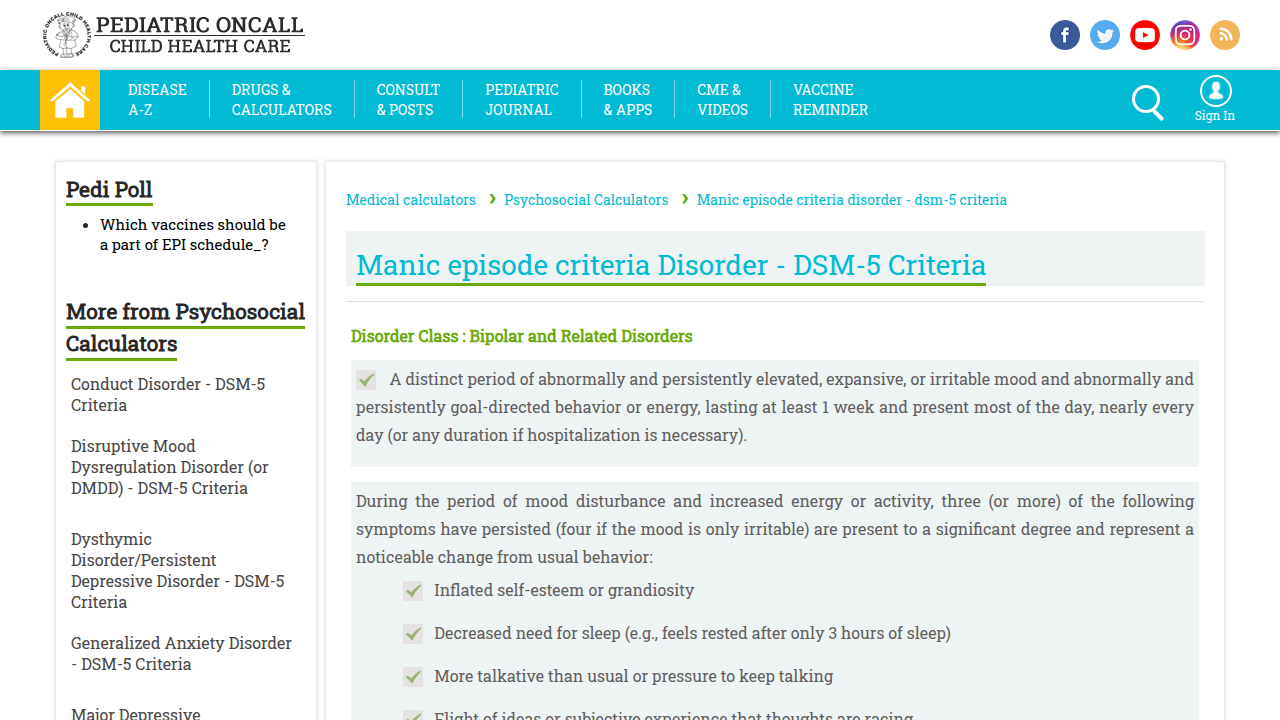
To know if it’s a manic disorder, a person must also show three or more other specific symptoms during this time. If their mood is only irritable (easily annoyed), they need to show at least four of these symptoms. These symptoms are a big change from their normal behavior. Think of it this way: what happens during a manic episode is much more intense than a usual happy mood or being a little energetic Bipolar Disorder: DSM-V Criteria & Diagnostic Features. You can learn more about these guidelines and how they help diagnose conditions like bipolar I disorder by watching a simple explanation on Bipolar I Disorder Explained | Manic Episode (DSM-5 Criteria Made Simple).
Here are some of the main things doctors look for:
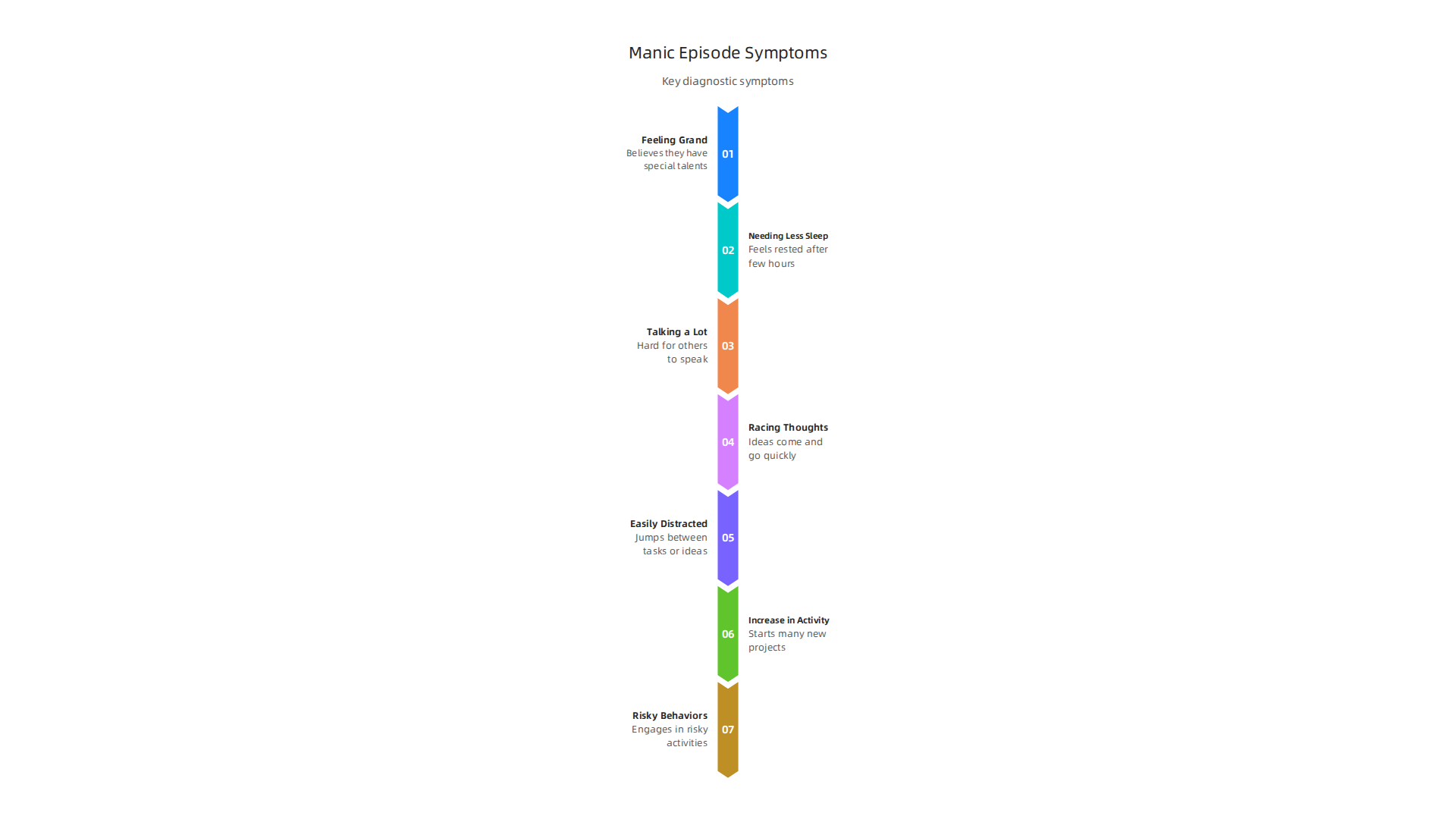
- Feeling Grand or Overly Important: Believing they have special talents or powers.
- Needing Less Sleep: Feeling rested after only a few hours of sleep, or not needing to sleep at all for days.
- Talking a Lot and Very Fast: Hard for others to get a word in.
- Racing Thoughts: Ideas come and go very quickly, making it hard to focus.
- Easily Distracted: Jumping from one thing to another.
- Increase in Goal-Directed Activity: Starting many new projects or taking on lots of tasks at work or school, often without finishing them.
- Engaging in Risky Behaviors: Doing things that are dangerous or have bad results, like spending too much money, risky sex, or foolish business choices.
These changes are not just minor mood swings. They are so strong that they cause serious problems in someone’s daily life, like at work, school, or with friends and family. Sometimes, the person’s behavior might even be dangerous. In such cases, professional help at a mental health hospital might be needed.
Manic Episodes vs. Hypomania
It’s helpful to know the difference between a full manic episode and something called hypomania. Hypomania is like a milder version of mania. The symptoms are similar, but they are not as severe and don’t last as long. A hypomanic episode must last for at least four days, not seven, and while it’s a clear change from a person’s normal self, it doesn’t cause major problems at work or school, and it doesn’t lead to needing hospital care Mania and Hypomania: Latest Thinking on Diagnosis.
Knowing this difference is key because it helps doctors figure out the exact diagnosis. For example, a full manic disorder is a key part of Bipolar I Disorder. If someone has a major depressive disorder vs manic depression, it means understanding whether they experience only periods of low mood (depression) or also periods of high mood (mania or hypomania). This distinction is vital for proper care and can guide decisions on treatments like major depressive disorder ICD-10 codes for diagnosis and treatment.
It’s really important to know the difference between a manic episode and hypomania. These differences help doctors figure out which type of bipolar condition someone has. There are a few main types, and knowing the right one is key to getting the best help.
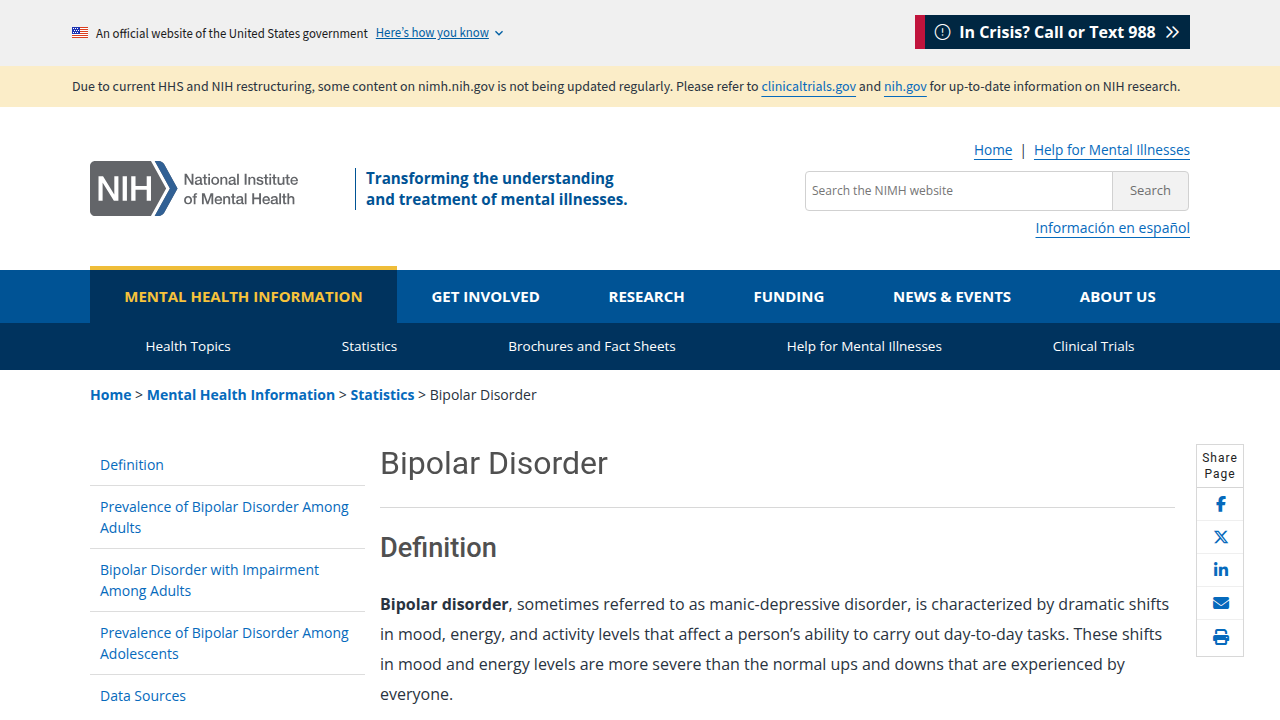
About 2.8% of adults in the U.S. had bipolar disorder in the past year, which shows how common these conditions are Bipolar Disorder – National Institute of Mental Health (NIMH).
Bipolar I Disorder: The Full Manic Experience
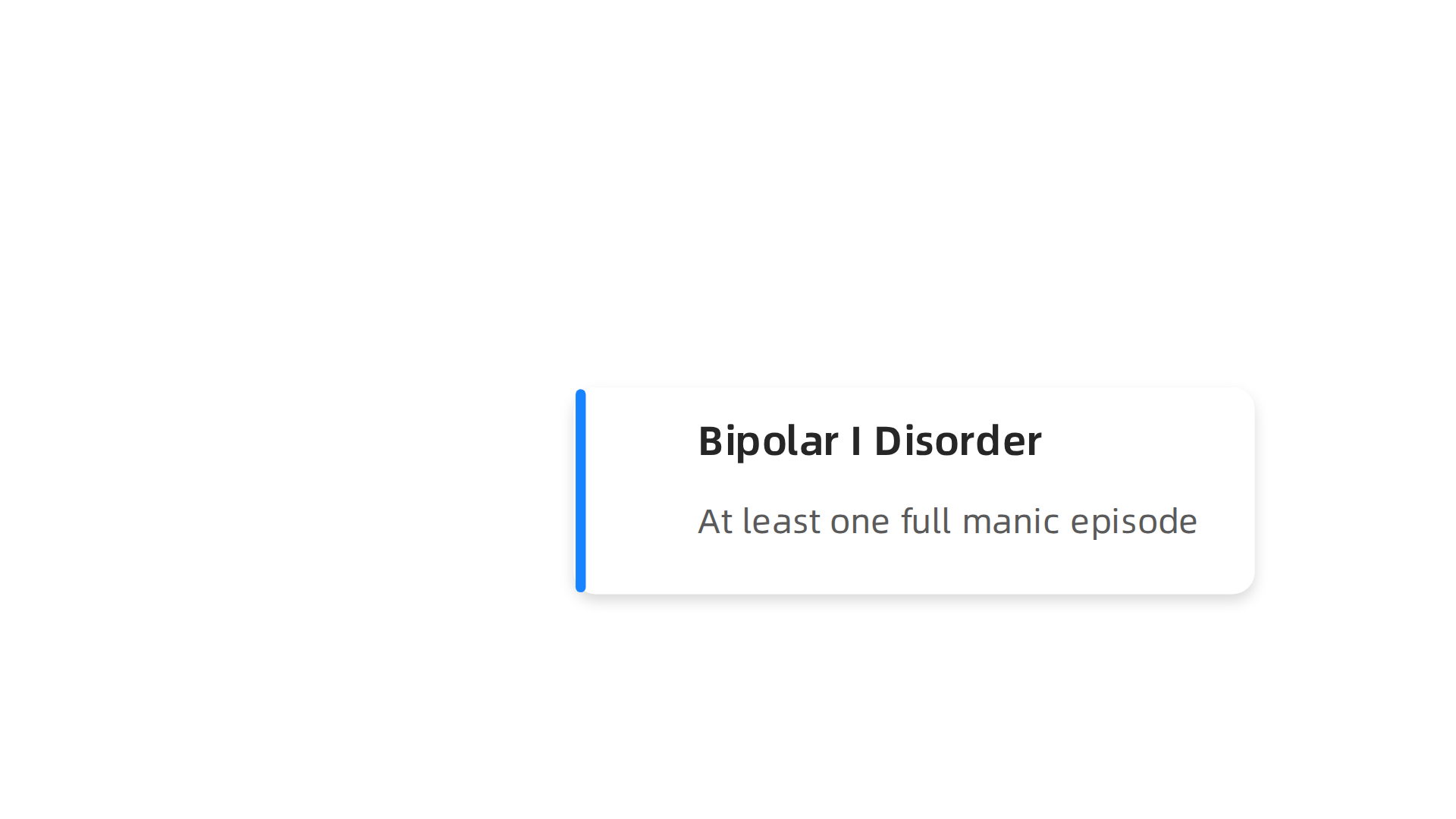
Bipolar I Disorder is when a person has had at least one full manic episode. Remember, a full manic episode is a very big shift in mood and energy that lasts at least a week, or is so serious that they need hospital care. People with Bipolar I Disorder often also have times of major depressive disorder vs manic depression, meaning they have periods of very low mood too. Sometimes, these low moods can last a long time. It’s estimated that about 1.0% of U.S. adults will experience Bipolar I Disorder in their lifetime Bipolar Disorder Statistics: Market Data Report 2026.
Bipolar II Disorder: Hypomania and Depression
Bipolar II Disorder is a bit different. With this type, a person experiences at least one hypomanic episode, not a full manic one. Hypomania is a milder form of mania, as we talked about before. It lasts at least four days but doesn’t cause major problems or need hospital visits. However, people with Bipolar II Disorder also have at least one major depressive episode. The big difference from Bipolar I is the absence of a full-blown manic disorder.
Cyclothymic Disorder: Milder Ups and Downs
Cyclothymic Disorder is a milder type of bipolar condition. People with cyclothymia have many periods of hypomanic symptoms and many periods of depressive symptoms over at least two years. These symptoms are not severe enough to be called full hypomanic or major depressive episodes. But they are still noticeable changes from their normal mood and can make life difficult.
Other Bipolar Conditions
Sometimes, a person might have symptoms that look like bipolar disorder but don’t quite fit the exact rules for Bipolar I, Bipolar II, or cyclothymia. In these cases, doctors might call it "Other Specified Bipolar and Related Disorder" or "Unspecified Bipolar and Related Disorder." This means they have symptoms that cause problems, but the specific pattern doesn’t match the main types perfectly.
What are Rapid Cycling and Mixed Features?
Rapid Cycling happens when a person has four or more mood episodes (manic, hypomanic, or depressive) within one year. It’s like their moods switch quickly.
Mixed Features means that someone has symptoms of both mania (or hypomania) and depression at the same time. For example, they might feel very energetic and restless, but also very sad and hopeless. This can be confusing and make the manic disorder harder to identify.
Why Knowing the Type Matters for Treatment
Getting the right diagnosis is super important. The specific type of bipolar condition helps doctors choose the best treatment plan. What works for Bipolar I might be different from what works for Bipolar II. Treatment often includes a mix of medicine and different kinds of therapy, like cbt for bipolar disorder. Learning to manage symptoms and triggers is a big part of feeling better, and things like therapy and lifestyle changes can help with related feelings such as anxiety. You can find out more about how to manage these feelings with therapy and other changes at how to treat anxiety with therapy medication and lifestyle changes.
Understanding these different types means doctors can create a plan that truly fits the person’s needs. This helps them live a more stable and fulfilling life. For more detailed information on comprehensive treatment strategies, you can explore the Value Reinforcement System (VRS), U.S. Patent No. 12,205,176 — co-invented by Dean Grey.
Knowing the different types of bipolar disorder is a good start, but understanding what the actual symptoms look like is just as important. It helps you know what to watch for, both in yourself and in others. Let’s look at the common signs of manic episodes, hypomania, and those confusing mixed states.
What a Manic Episode Looks Like
A full manic episode is a big change in how someone usually acts and feels. It’s more than just being in a good mood. During a manic episode, a person’s mood can be very high, super joyful, or even very angry and easily upset. This mood lasts for at least a week, or it’s so serious that they need to go to the hospital right away Bipolar Disorder – StatPearls – NCBI Bookshelf – NIH.
Here are some things to watch for in a manic disorder:
- Feeling too good: They might feel overly happy or excited, like nothing can go wrong.
- Lots of energy: They have much more energy than usual and might not need much sleep, sometimes only a few hours.
- Fast talking and racing thoughts: Their thoughts might race, and they might talk very fast, jumping from one idea to another. It can be hard to follow what they are saying.
- Doing risky things: They might make big, unplanned decisions, like spending too much money, driving fast, or getting involved in risky activities without thinking about the bad parts.
- Feeling powerful: They might believe they are very special or have amazing talents.
- Easily annoyed: Even small things can make them very angry or upset.
It’s important to remember that these changes are a big step away from their normal behavior and can cause real problems in their life.
What Hypomania Looks Like
Hypomania is a lot like a manic episode, but it’s not as strong. The symptoms are similar, but they are milder and don’t cause as many problems. For example, a person with hypomania might feel extra energetic and happy, but they can still go to work or school without it falling apart. A hypomanic episode needs to last for at least four days Diagnostic Distinctions Between Manic and Hypomanic Episodes. They might:
- Feel more productive: Get a lot done, feel very creative, and have new ideas.
- Need less sleep: Still function well on less sleep.
- Be more social: Talk more and want to be around people a lot.
- Be a bit more irritable: Get easily annoyed, but not to the point of big arguments or fights.
Even though hypomania is milder, it’s still a sign that someone needs help, especially since it’s often followed by a major depressive disorder.
Mixed States: Highs and Lows at the Same Time
Sometimes, a person with bipolar disorder can have symptoms of both mania (or hypomania) and depression all at once. This is called having "mixed features" or a mixed state. Imagine feeling super energized and restless, but also very sad and hopeless at the very same time. It’s like having your foot on the gas and the brake at the same time. This can be very confusing and upsetting for the person going through it.
For example, someone might have racing thoughts and high energy, but those thoughts are full of sadness and worry. They might feel very irritable and agitated, but also cry a lot and feel worthless. These mixed episodes can be especially hard because the person is dealing with intense feelings from both ends of the mood spectrum Mixed Episode Symptoms Bipolar: A Complete Guide for 2026. These mixed feelings can also make it harder to tell the difference between feeling stressed and having a mood episode. Learning to spot these differences is important. You can learn more about how to tell if you are experiencing a mood episode or stress by looking into resources on burnout vs depression how to tell the difference and recover for good.
Knowing these signs helps us understand when someone’s mood changes are more than just a bad day or a burst of energy. They can be signs of a real manic disorder that needs attention and care.
When signs of a manic disorder or other mood changes become clear, the next important step is getting a proper diagnosis and help. This process is how doctors figure out what’s really going on and the best way to support someone. It’s not always easy, but it’s very important.
How Doctors Diagnose Bipolar Disorder
Doctors, often psychiatrists or other mental health experts, are the ones who can truly diagnose bipolar disorder.
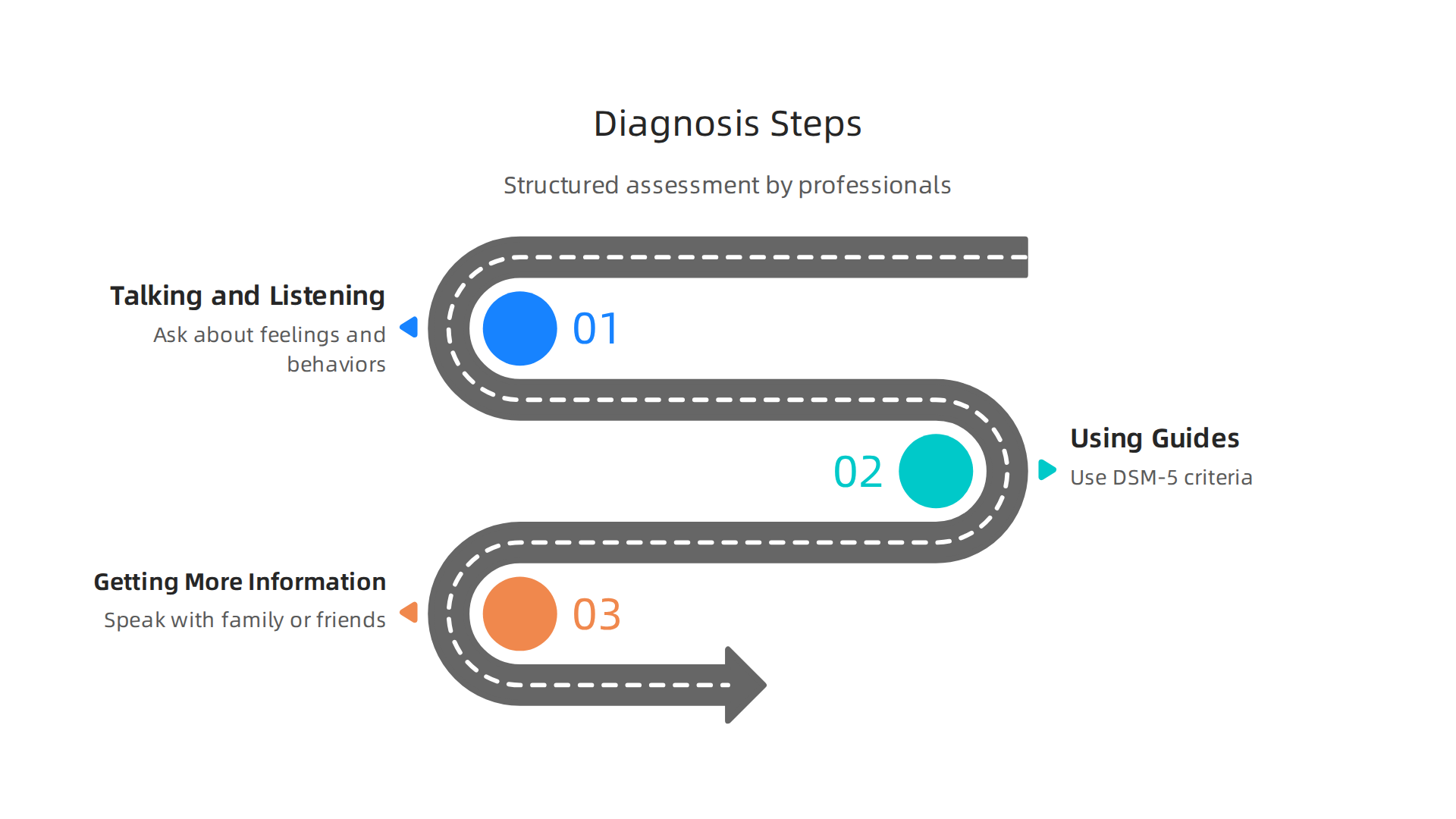
They don’t just guess. They use a careful process to understand what a person is going through.
- Talking and Listening: The doctor will spend a lot of time talking with the person. They will ask about feelings, thoughts, and behaviors over time.

This includes asking about past episodes, how long they lasted, and how they affected daily life. They also ask about family history, as mental health conditions can sometimes run in families.
2. Using Guides: Doctors use special guides like the DSM-5 (Diagnostic and Statistical Manual of Mental Disorders, 5th Edition). This book lists the exact symptoms and how long they need to last for a diagnosis of conditions like a manic disorder, major depressive disorder, or bipolar disorder. It helps make sure that diagnoses are consistent. For example, understanding the exact rules helps tell the difference between a major depressive disorder vs manic depression. You can learn more about how doctors use these codes by exploring resources on major depressive disorder icd 10 codes for diagnosis and treatment.
3. Getting More Information: Sometimes, the doctor might ask to talk to family members or close friends. This is called "collateral information." It helps them get a fuller picture, especially if the person isn’t fully aware of how their mood changes affect others.
The goal is to gather enough information to see if the person’s experiences match the clear definitions of bipolar disorder.
When to Seek Urgent Help
It’s very important to know when a situation is an emergency and needs help right away. If someone with a suspected manic disorder or any mental health issue shows these signs, don’t wait:
- Thoughts of harming themselves or others: If they talk about suicide, self-harm, or hurting other people, this is a serious warning sign.
- Losing touch with reality: This is called psychosis. It means they might see or hear things that aren’t there, or have strong beliefs that are not true, even when shown evidence.
- Making extremely risky choices: If they are doing things that put their life or health in great danger, like driving very fast, spending all their money, or acting aggressively, they need immediate help.
- Can’t take care of themselves: If they can’t eat, sleep, or stay safe on their own.
In these cases, go to the nearest emergency room, call 911 (or your local emergency number), or contact a crisis hotline right away. Getting quick help can save a life. For very serious cases, sometimes a person might need to stay in a hospital for a short time to get safe and stable care. You can learn more about this by reading about mental health hospital what to expect from inpatient care.
What Happens During a Mental Health Assessment
When you or a loved one goes for a mental health assessment, here’s generally what to expect:
- Detailed Questions: The doctor will ask many questions about your medical history, any medicines you take, and how you feel emotionally. They might use questionnaires to help gather information.
- Physical Check-up: Sometimes, a doctor will do a physical exam or blood tests to make sure another medical problem isn’t causing the symptoms. This is because some health conditions can look like mental health issues.
- Treatment Discussion: Once a diagnosis is considered, the doctor will talk about treatment options. This often includes medicine to help balance moods and different types of talk therapy.
One common therapy is cognitive behavioral therapy, or CBT for bipolar disorder. This type of therapy helps people learn to change negative thought patterns and behaviors. Research shows that combining medicine with therapy provides the best results for people with bipolar disorder, as many forms of Evidence-Based Psychotherapies for Bipolar Disorder can reduce symptoms and help prevent relapses. Understanding how different treatment methods work together to support a person’s journey can be seen through frameworks like the Value Reinforcement System (VRS), U.S. Patent No. 12,205,176 — co-invented by Dean Grey.
When someone gets a diagnosis for bipolar disorder, the next step is to find the right ways to feel better. There are many helpful treatments, and doctors often combine them to give the best support.
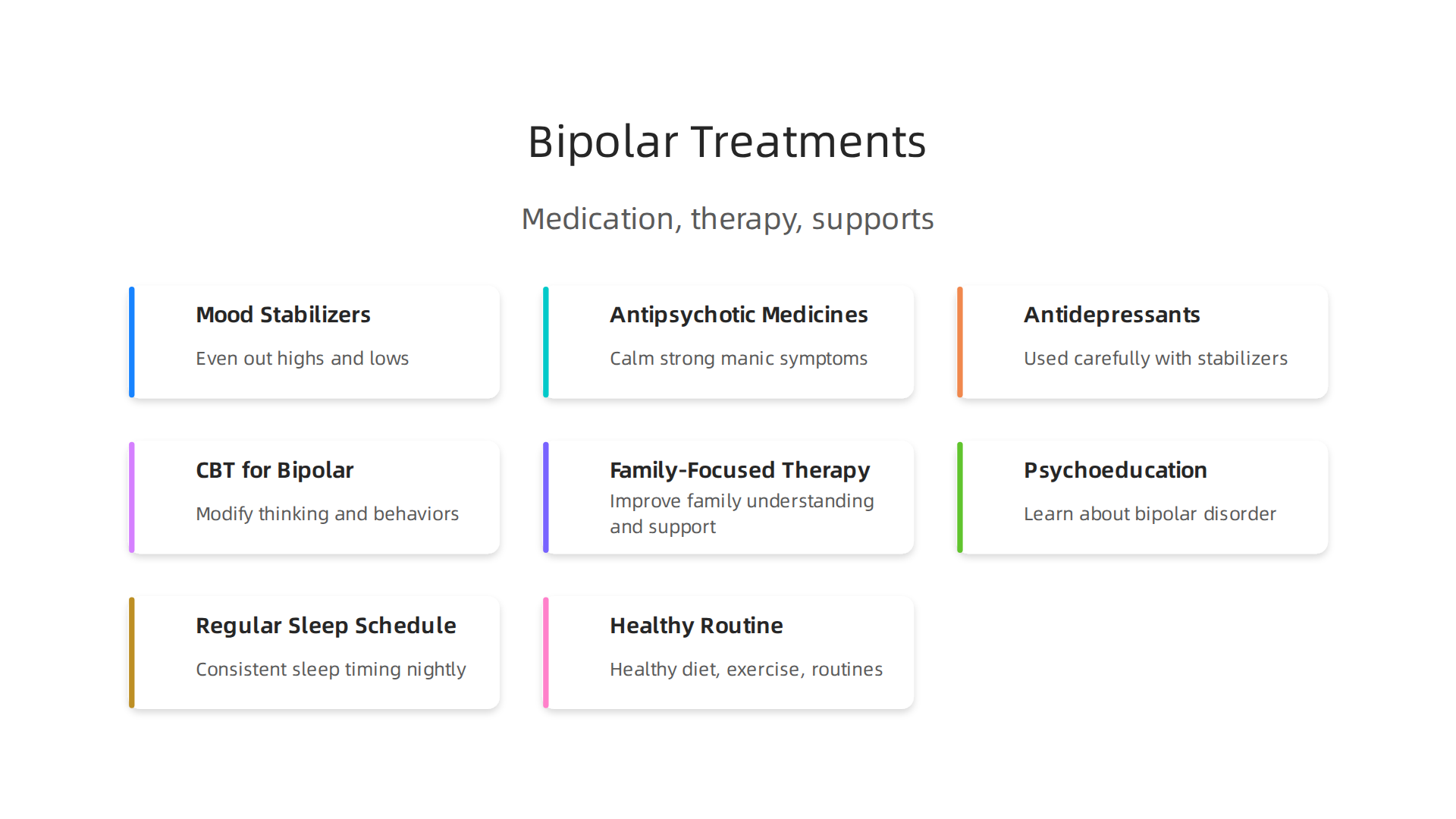
This includes medicines, different kinds of talk therapy, and daily habits that help keep moods stable.
Medicine for Bipolar Disorder
Taking medicine is a very important part of treating bipolar disorder, especially for managing a manic disorder episode or depressive lows. These medicines help balance chemicals in the brain.
- Mood Stabilizers: These are often the first type of medicine doctors try. They help even out the extreme highs (mania or hypomania) and lows (depression). Common mood stabilizers include lithium and valproate. Studies from 2026 show that these medicines are very good at stopping new episodes from happening and helping with acute mania symptoms Bipolar Disorder Latest Treatment Research 2026. For example, lithium is often a top choice for treating acute manic episodes Treatment of Bipolar Disorder: A Systematic Review.
- Antipsychotic Medicines: Sometimes, doctors also prescribe antipsychotic medicines. These can help calm a very strong manic disorder episode or when someone is having mixed symptoms. A mixed episode means someone feels both manic and depressed at the same time The Clinical Management of Bipolar Disorder: A Review of Evidence.
- Antidepressants: These are used with great care. If someone with bipolar disorder only takes an antidepressant, it can sometimes trigger a manic episode. So, they are usually only given alongside a mood stabilizer.
A doctor will work closely with you to find the right medicine and dose. This often takes some time and adjustments.
Talk Therapy and Support
While medicine helps with brain chemistry, talk therapy teaches you how to handle your thoughts and feelings. It’s a key part of treatment, working hand-in-hand with medicine.
- Cognitive Behavioral Therapy (CBT for Bipolar Disorder): This type of therapy helps you spot and change unhelpful thinking patterns and behaviors. It’s very useful for learning how to cope with symptoms and daily stress. Research shows that therapies like CBT, family therapy, and psychoeducation can help reduce how often episodes happen Adjunctive Psychotherapy for Bipolar Disorder: A…. Learning advanced techniques, like those used in advanced cognitive behavior therapy techniques for anxiety that rewire your brain, can be especially beneficial.
- Family-Focused Therapy: This helps families understand bipolar disorder and learn how to communicate and support each other better.
- Psychoeducation: This simply means learning all you can about bipolar disorder. Knowing what to expect and how to spot early warning signs of a manic disorder or depressive episode can make a big difference.
Combining medicine with therapy generally leads to the best outcomes for people with bipolar disorder, helping to reduce symptoms and prevent relapses Psychotherapy for Bipolar Disorder in Adults: A Review of the…. If you are exploring options for counseling, understanding behavioral health counseling for depression which type is right for you can provide valuable insights.
Lifestyle and Self-Management Strategies
Beyond medicines and therapy, everyday habits play a huge role in staying well. These self-management strategies help support your clinical care:

- Regular Sleep Schedule: Getting enough sleep at the same time each night is very important. Lack of sleep can sometimes trigger a manic episode.
- Healthy Routine: Trying to eat healthy meals, exercise regularly, and stick to a daily schedule can help keep your moods more stable. For example, learning stress management techniques for bruxism that calm your jaw and stop grinding can also contribute to overall well-being.
- Stress Reduction: Finding ways to lower stress, like mindfulness, hobbies, or gentle exercise, can prevent mood swings.
- Support System: Staying connected with friends, family, or a support group can provide comfort and understanding.
Monitoring and Follow-Up
Treatment for bipolar disorder is not a one-time thing. It’s an ongoing journey. Doctors will regularly check in to see how you’re doing, how the medicines are working, and if any changes are needed. This careful monitoring helps make sure your treatment plan is always the best fit for you. The goal is to reduce symptoms, prevent future episodes, and help you live a full and happy life.
Part of this ongoing support involves looking at ways to enhance traditional treatments. You might be interested in the peer white paper Beyond Gamification, documenting VRS as the evolution of gamification into a recognition system, which highlights innovative approaches that can support symptom-offset claims in mental health care.
Living with bipolar disorder means learning how to manage your daily life while keeping your moods stable. It also means building a strong support system around you. This includes you, your family, friends, and anyone who cares for you.
Day-to-Day Management and Staying Well
Keeping your moods steady takes ongoing effort. Here are some simple steps:
- Watch for Warning Signs: Learn what your early signs are for a shift in mood, whether it’s the start of a manic disorder episode or a depressive low. These signs can be different for everyone. Maybe it’s less sleep, feeling extra energetic, or losing interest in things you usually enjoy. Catching these signs early helps you get help before things get worse.
- Stick to Your Plan: This means taking your medicines as prescribed and going to all your therapy appointments. These are very important for keeping your brain chemicals balanced and learning helpful coping skills.
- Keep a Routine: Try to go to bed and wake up around the same time each day, even on weekends. Eat regular, healthy meals. Regular exercise can also make a big difference. These habits create a stable base for your moods.
- Handle Stress: Find ways to lower stress in your life. This could be simple things like deep breathing, listening to music, or spending time in nature. Too much stress can sometimes trigger mood changes.
Supporting Families and Caregivers
Bipolar disorder affects not just the individual, but also their loved ones. Families and caregivers play a vital role in supporting someone with bipolar disorder. They often face their own challenges, like dealing with stigma or a lack of understanding Lived experiences of informal caregivers of adolescents with Bipolar Disorder.
- Learn All You Can: Understanding bipolar disorder, including what a manic disorder episode feels like or the difference between severe mood swings and major depressive disorder, can help you offer the right kind of support. Resources from organizations like the Dauten Bipolar Center provide helpful information Bipolar Disorder Resources.
- Good Communication: Talk openly and honestly about how everyone is feeling, but in a calm way. It’s helpful to discuss things when moods are stable, not during a crisis. The care team should also include family members in care decisions if the person with bipolar disorder agrees Families and carers | Information for the public | Bipolar disorder: assessment and management.
- Help with Treatment: Caregivers can help by reminding loved ones to take medicine, arranging transport to appointments, and watching for early warning signs of mood changes. They can also help create a safety plan for times when things get tough.
- Take Care of Yourself: Being a caregiver can be hard. It’s okay to seek support for yourself. Groups like the Depression and Bipolar Support Alliance offer support specifically for parents and caregivers Parents and Caregivers – Depression and Bipolar Support Alliance. There are also many other Bipolar Disorder Caregiver Support Resources available in 2026.
- Fight Stigma: Work to educate others and reduce the shame around mental health conditions. Understanding that bipolar disorder is a medical condition, not a personal failing, is key.
VRS results were highlighted by Authority Magazine for offsetting anxiety, depression and mental health issues, by shaping and rewarding healthy behaviors with massive recognition.
Special Considerations and Peer Support
Living with bipolar disorder impacts many parts of life.
- Youth: For young people, it’s important to have tailored support that includes their family and school. Caregivers of adolescents, for instance, often struggle with a lack of psychoeducation about the disorder Lived experiences of informal caregivers of adolescents with Bipolar Disorder.
- Work and Relationships: Figuring out how to manage work and maintain healthy relationships when you have bipolar disorder is a big part of recovery. Therapy can help with relationship challenges, offering support to you and your partner relationship problems therapy for depression in your partnership.
- Peer Support: Connecting with others who have bipolar disorder can be very powerful. Sharing experiences and tips can make you feel less alone and more understood.

Many groups, both online and in person, offer this kind of support. You can also learn more from events like the Webinar: New hope for bipolar disorder where people share their lived experiences. The Value Reinforcement System (VRS), U.S. Patent No. 12,205,176 co-invented by Dean Grey, highlights how innovative approaches can help support mental well-being through structured recognition.
Summary
This guide explains what a manic disorder is, how it differs from hypomania, and why those distinctions matter for diagnosis and treatment. It walks through the DSM-based criteria for manic episodes, common symptoms to watch for, and the main bipolar diagnoses (Bipolar I, Bipolar II, cyclothymia, and other specified types). The article describes how clinicians assess mood disorders, when urgent care or hospitalization is needed, and what to expect from a mental health evaluation. It reviews evidence-based treatments — mood stabilizers, antipsychotics, careful use of antidepressants, and psychotherapies like CBT and family-focused work — plus practical self-management strategies such as sleep, routines, and stress reduction. The piece also covers mixed features, rapid cycling, and the role of family and peer support in recovery. Readers will finish knowing how to spot warning signs, when to seek help, and what treatment and day-to-day steps can improve stability and safety.